 Rahul Somvanshi
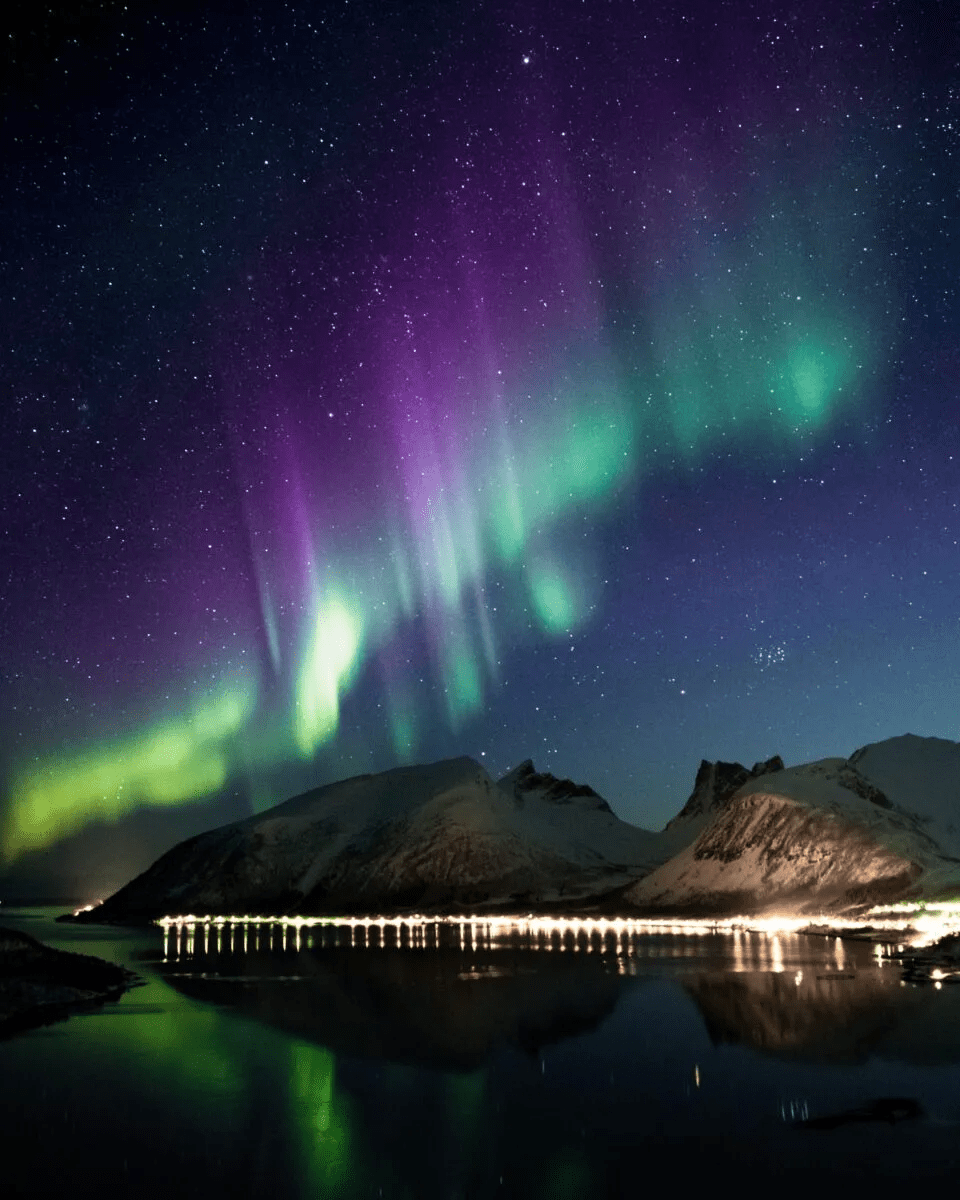
On April 23, a geomagnetic storm may trigger an aurora borealis over the Northern Hemisphere from the evening until the next morning. Some states in the U.S.-Canadian border region may most likely witness the Northern Lights. A G-2 level on the Geomagnetic Storm Impact scale is expected to hit Earth, according to NOAA’s Space Weather Prediction Center.
A G-2 event is fairly common and happens about every 360 days over an 11-year cycle. Northern power systems may experience voltage alarms, spacecraft may exhibit orbit changes, and radio frequencies can fade at higher latitudes, according to NOAA. Clear night skies in some northern states like from Washington to Maine, may have a chance to see the aurora.
On Friday, a solar flare erupted on the sun and was directed towards Earth, triggering an aurora borealis that was visible in 18 states. The level of geomagnetic activity is measured on the Kp index scale, which ranges from 0 to 9. The highest value expected for the upcoming event on the Kp index was a 6.3 as of Saturday.
Cloud cover can affect viewing, but most of the Midwest is expected to be nearly cloud-free. The chance to observe the aurora would sink further south if the storm is stronger than expected. The Space Weather Prediction Center has issued a G2 geomagnetic storm watch for Sunday night. There is also a chance of G2 developing into G3 later in the night.
The best viewing time for the Northern Lights is typically between 10 p.m. and 2 a.m. local time. The late weekend event is expected to be much weaker than March’s severe geomagnetic storm. The Northern Lights will be possible to see in 18 states, depending on weather conditions like cloud coverage.
- Washington
- Idaho
- Montana
- Wyoming
- North Dakota
- South Dakota
- Nebraska
- Minnesota
- Iowa
- Michigan
- Illinois
- Indiana
- Michigan
- Pennsylvania
- New York
- Vermont
- New Hampshire
- Maine
- 4.8 Victoria Earthquake Shakes Melbourne as 21,000 Felt Reports Logged
- Trump Escalates Senate Fight With Public Call to Pressure Cotton Over Clock Law
- 98 km/h Ulladulla Tornado Damages 15 Properties as SES Works Through Night
- Mangrove Deforestation at Turzen Point, Chargut
- Local Seasonal Produce for Navratri Fasting