 Tejal Somvanshi
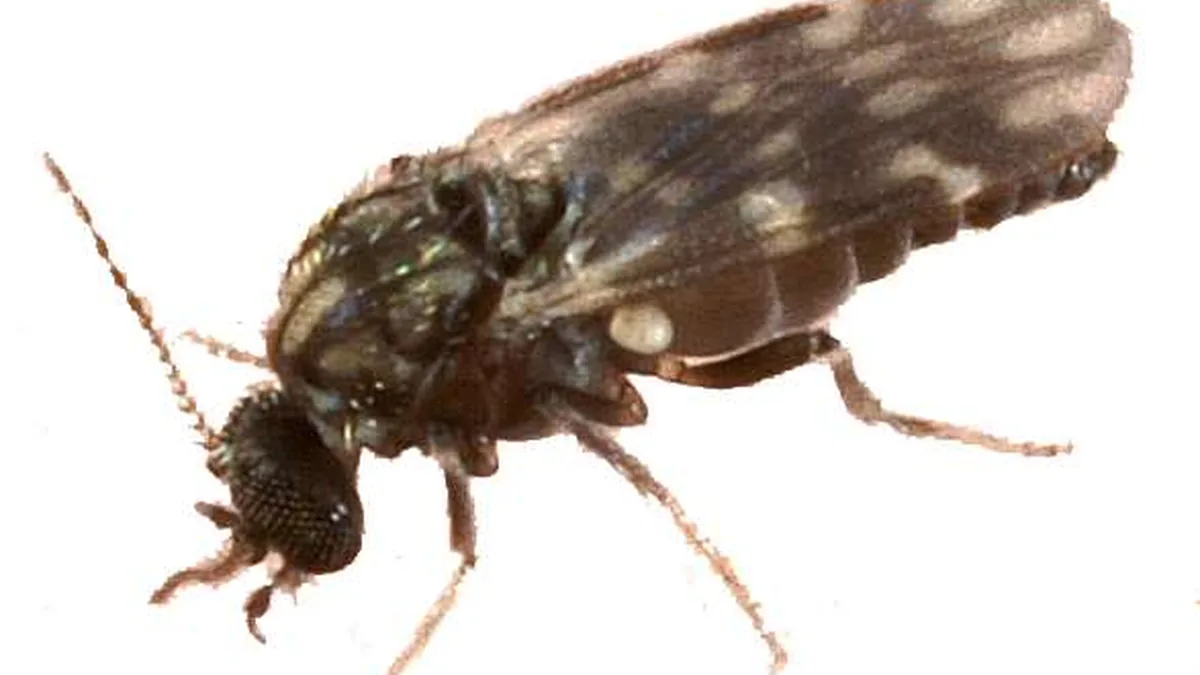
A livestock virus that spent six decades infecting cattle across Africa and Asia has now been detected in a human for the first time—in a severely immunocompromised patient in France who later died. While that is a medical first that virologists and health authorities are taking seriously, every expert assessment so far points to the same conclusion: for the general public, the risk is negligible.
French health and agriculture authorities confirmed the first known human Shamonda virus infection on October 22, 2026. The patient, a man in his 60s from the Lyon area, had been hospitalised at Hospices Civils de Lyon with a serious pre-existing condition; he was severely immunocompromised and died in early October 2026. Investigations into whether the infection contributed to or caused the death are ongoing, according to the European Centre for Disease Prevention and Control (ECDC). A Rapid Communication published in Eurosurveillance (Bonnet et al., Vol. 31, Issue 42, October 22, 2026) reported that the viral strain detected was SHAV-EU1—Shamonda virus Europe 1—with confirmation by metatranscriptomics and RT-PCR across cerebrospinal fluid and central nervous system biopsy samples; the paper also stated that retrospective testing found the virus had been present in the patient’s serum, respiratory samples, and stool for at least two months before encephalitis developed. French authorities believe the patient was most likely infected through the bite of a Culicoides midge in eastern France, where the virus has been circulating in animals; investigations into the exact source and transmission route are ongoing. No human-to-human transmission has been identified to date. The current European animal outbreak has been confirmed across multiple European countries and territories, including Jersey in the British Isles.
For healthy people, the risk from Shamonda virus remains negligible: no human-to-human transmission has been identified, and no transmission through pasteurised milk or cooked meat has been established by authorities to date. Severely immunocompromised individuals—such as patients who have received organ or stem cell transplants—living in or travelling through rural areas of Europe during the active midge season should follow general vector-bite prevention measures: fine-mesh window screens, insect repellent, and long sleeves at dawn and dusk when midge activity is highest. UK and European livestock farmers should monitor herds for fever, milk production drops, or fetal abnormalities and report suspected cases to their national animal health authority.
How a Cattle Virus Spread Across Europe in One Summer
Shamonda virus was first isolated in Nigeria in 1965 and remained primarily a veterinary concern in tropical Africa and Asia for six decades. Two distinct genetic clades—SHAV-EU1 and SHAV-EU2—were first detected in European livestock in 2026, according to ECDC. The virus spreads through bites from Culicoides biting midges; as the Science Media Centre experts noted, midge activity drops sharply as autumn temperatures fall, which limits transmission risk through winter.
Dr. Nick Johnson of the UK Animal and Plant Health Agency (APHA) confirmed to the Science Media Centre that the virus has been detected in Jersey, placing it in the British Isles. Prof. Heather Ferguson of the University of Glasgow and Prof. Tom Solomon of The Pandemic Institute at the University of Liverpool both noted that reduced midge activity in autumn and winter should limit further spread in the current season. Prof. Tom Solomon also cautioned that the severely immunocompromised status of the Lyon patient means this case tells scientists very little about what Shamonda virus would do in a healthy human immune system.
This is also relevant reading for anyone following climate-driven expansions of vector-borne disease in Europe or tracking the Oropouche virus emergence in European travellers.
Just 24 days before France announced this human case, Austria’s national health and food safety agency (AGES) had stated in an official notice on September 28 that humans were “presumably not susceptible” to Shamonda virus. The Eurosurveillance paper published alongside France’s announcement then showed retrospectively that the Lyon patient had been carrying SHAV-EU1 in blood, lungs, and stool for at least two full months before fatal brain inflammation appeared—meaning the scientific picture changed faster than the official assessment could track.
Frequently Asked Questions
What is Shamonda virus and how is it transmitted?
Shamonda virus is an RNA orthobunyavirus closely related to Schmallenberg virus that primarily infects cattle, sheep, goats, and horses via bites from Culicoides midges. No human-to-human transmission has been identified. The first documented human infection occurred in a severely immunocompromised patient in Lyon, France, in 2026; how the patient acquired the virus is still under investigation, though French authorities believe a midge bite in eastern France is the most likely route.
Has transmission through milk or meat been ruled out?
No transmission through pasteurised milk or properly cooked meat has been established by health authorities to date. The known exposure route currently under investigation involves bites from Culicoides midges.
Has Shamonda virus been detected in the UK?
Yes. Dr. Nick Johnson of the UK Animal and Plant Health Agency confirmed that the virus has been detected in Jersey. The UK Health Security Agency and APHA are monitoring the situation as part of ongoing WHO and ECDC surveillance.
WHO, ECDC, and the UK’s Health and Infectious disease Assessment Risk Service (HAIRS) are all monitoring the Lyon case and European livestock data as they refine formal risk assessments. The WHO has said that, based on current information, this appears to be an isolated human case unlikely to lead to wider spread. Check back for updates as surveillance results come in.