Sunita Somvanshi
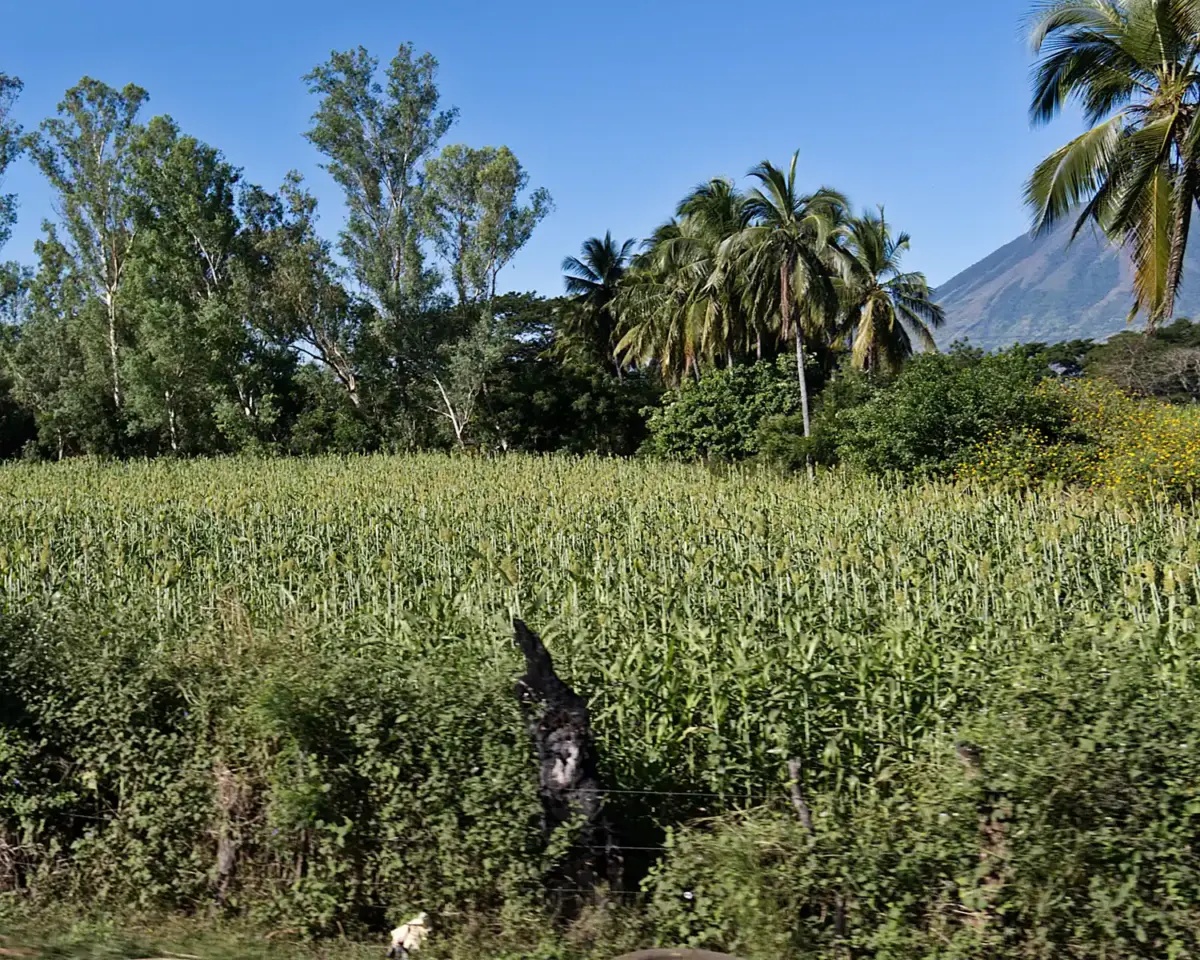
When rain stops falling on schedule, not every crop responds the same way. Some wilt and stall for good. Sorghum, a warm-season cereal grass grown around the world for grain, livestock feed, and ethanol production, is known for doing something different: it can slow down during a dry spell and pick back up once moisture returns. That trait has made sorghum a talking point in conversations about farming in a hotter, less predictable climate. But drought tolerance is not the same as a guaranteed harvest, and understanding the difference matters for anyone trying to separate agronomy from hype.
What Sorghum Is, and Why It Handles Dry Spells Differently
Sorghum (Sorghum bicolor) is a cereal grain crop grown for food, animal feed, and industrial uses, including ethanol. Unlike corn, which produces grain in ears along the stalk, sorghum forms its seeds in a single cluster at the top of the plant called a panicle. That structural difference comes with physiological ones. Extension and agronomy research describes several traits that can help sorghum cope with limited water, including a deep root system, waxy leaf coatings that reduce water loss, and an ability to pause growth under stress and resume it once conditions improve. The National Sorghum Producers’ Sorghum 101 overview touches on sorghum’s drought tolerance and its suitability for regions where water is scarce or unreliable.
A Long History as a Staple Grain
Sorghum is a long-established staple grain and remains an important food source in parts of Africa and Asia, where it is milled into flour, cooked as a grain, or fermented into traditional beverages. In the United States and other major producing regions, sorghum is used somewhat differently: much of the crop goes toward livestock feed and ethanol production, alongside a smaller but growing market for gluten-free flour and even popped sorghum as a snack food. The USDA Economic Research Service’s Feed Grains Database tracks sorghum as part of its broader coverage of U.S. feed grains, reflecting its role as both a food and feed crop.
Where Sorghum Fits Among the World’s Cereal Crops
Globally, sorghum is grown on a meaningful scale, though it doesn’t dominate the way corn, wheat, or rice do. It’s generally counted among the world’s most widely grown cereal crops, with production concentrated in parts of Africa, Asia, and the Americas. Exact rankings shift from year to year depending on growing conditions and how the comparison is measured, whether by harvested area or total tonnage, so it’s more accurate to describe sorghum as a leading cereal grain than to cite a fixed global rank. Readers who want current figures can consult FAOSTAT’s crop production database (QCL), which publishes annually updated statistics on cereal production by country, or USDA NASS crop production reporting, which includes planted acreage and production estimates for sorghum and other field crops.
Drought Tolerance Is Not a Yield Guarantee
It’s tempting to treat sorghum’s drought resilience as a simple fix for farming in a drier climate, but that overstates what the trait actually delivers. Sorghum’s ability to slow growth and recover after a dry spell helps it survive conditions that might kill a more water-sensitive crop outright, but surviving and yielding well are not the same thing. Final yield still depends heavily on which variety is planted, soil type and fertility, the timing and severity of any water stress relative to the plant’s growth stage, pest and disease pressure, and the quality of management decisions made throughout the season. A drought-tolerant crop grown in poor soil with weak agronomic practices can still underperform, just as a less drought-tolerant crop can do reasonably well in a season with adequate, well-timed rainfall. Sorghum is better described as a crop with a wider margin for error under water stress, not one that is immune to it.
A Useful Tool, Not a Miracle Crop
Sorghum’s drought tolerance is real, grounded in documented physiological traits, and genuinely useful for farmers working with limited or unpredictable water. It helps explain why the crop has persisted as a staple in arid and semi-arid regions for so long, and why it continues to draw interest as growing seasons become less predictable in some areas. But that resilience is one input among many that determine how a field performs in a given year. Variety selection, soil health, management practices, and the specific pattern of weather a crop encounters all shape the outcome just as much as the plant’s inherent hardiness. Sorghum deserves credit as a dependable option for tougher growing conditions, not as a crop that eliminates the uncertainty farming has always involved.