Govind Tekale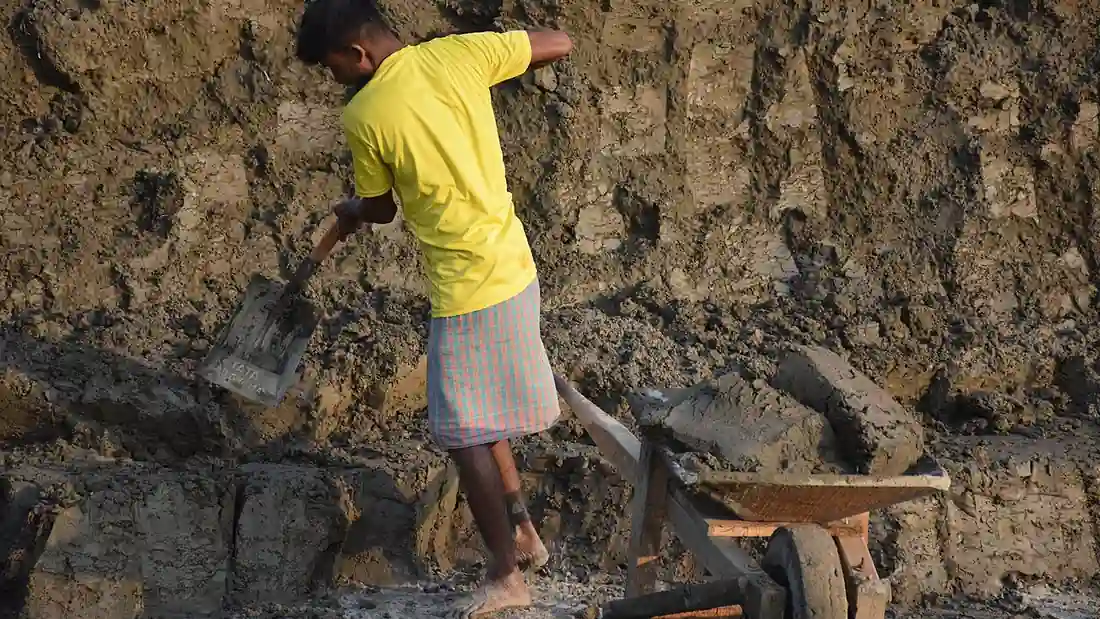
A viral video about brick kilns makes a real issue harder to understand by mixing documented risks with sweeping, unsupported figures. Forced labour is a major global human-rights crisis, and debt bondage in brick production is a recognised risk in parts of South Asia and elsewhere. But viewers should be cautious about unverified claims and donation appeals.
The International Labour Organization and Walk Free estimated that 27.6 million people were in forced labour on any given day in 2021. That estimate covers many sectors, including private-economy exploitation, commercial sexual exploitation and state-imposed forced labour. It does not support the video’s specific assertion that 20 million people are hand-making bricks.
Brick kilns can create conditions that heighten vulnerability: recruitment debt, piece-rate pay, restricted movement, unsafe work and poor access to schooling or health care. These risks have been documented by labour-rights organisations and researchers. They are not, however, evidence that every kiln worker is enslaved or that every allegation in the reel is established fact.
The video’s claims about sex trafficking, organ harvesting and children dying of malnutrition are serious allegations. No evidence is provided in the reel to identify locations, cases, investigations or credible sources for them. Such claims should not be repeated as fact without documentation from law-enforcement agencies, courts, the ILO or established rights monitors.
How can people help workers at risk of forced labour? Support organisations that publish audited accounts, explain their local partners and methods, and report measurable outcomes. Consumers can also ask companies about supply-chain due diligence and support labour groups led by affected workers. If a campaign says a fixed amount will “free” a person, it should clearly explain what that payment funds, how the claim is measured and who independently verifies it.
The best response is not to look away. It is to pair concern with reliable evidence. The global forced-labour estimate is already grave; overstated numbers and unverified stories can undermine the scrutiny that workers and survivors need.