Govind Tekale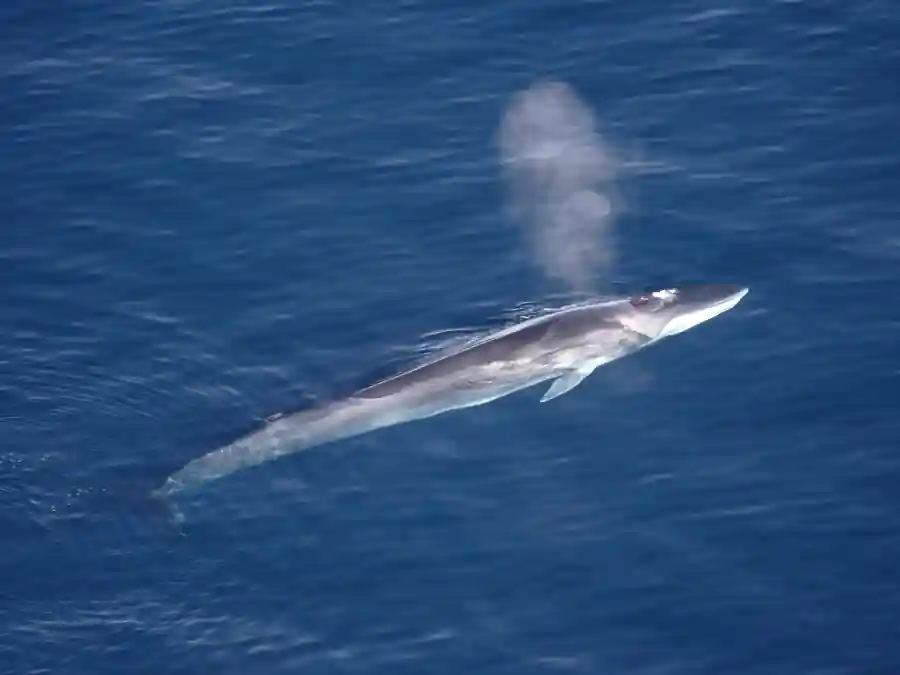
An endangered fin whale was found dead on the bow of a cruise ship after it arrived in Sitka, Alaska, bringing renewed attention to the risk of ship strikes in waters used by large whales. Authorities and local reporting identified the animal as a fin whale, a species protected under the Endangered Species Act in US waters.
Officials must determine the circumstances of each incident, including the vessel’s route, speed and the animal’s condition. A whale found on a vessel’s bow is strong evidence of a collision, but an investigation is needed before assigning responsibility or identifying the exact moment of impact.
Why vessel speed matters
Ship strikes are a recognised threat to large whales. The National Oceanic and Atmospheric Administration identifies vessel collisions among the threats facing fin whales. Lower vessel speeds and alert crews can reduce both the chance and severity of collisions in areas where whales are known to occur.
Alaska’s coastal waters support seasonal movements of several whale species and also carry heavy cruise-ship, fishing and cargo traffic. That overlap makes route planning, whale reporting and speed management important parts of marine safety.
Can slowing ships reduce whale strikes? Yes. Scientific and conservation guidance has found that lower speeds in high-risk areas can reduce collision risk and make impacts less severe. Speed is not the only factor: visibility, whale behaviour, vessel traffic and real-time sightings also matter.
The Sitka incident is not a reason to assume every vessel strike is intentional. It is a reminder that preventing harm requires practical measures before ships enter high-use whale habitat. Cruise operators, port authorities and regulators can use seasonal information and sighting reports to identify higher-risk conditions.
Protecting whales and maintaining safe marine travel are compatible goals. Transparent investigation of incidents, public reporting and effective speed measures give operators and communities the information needed to reduce future strikes.