Govind Tekale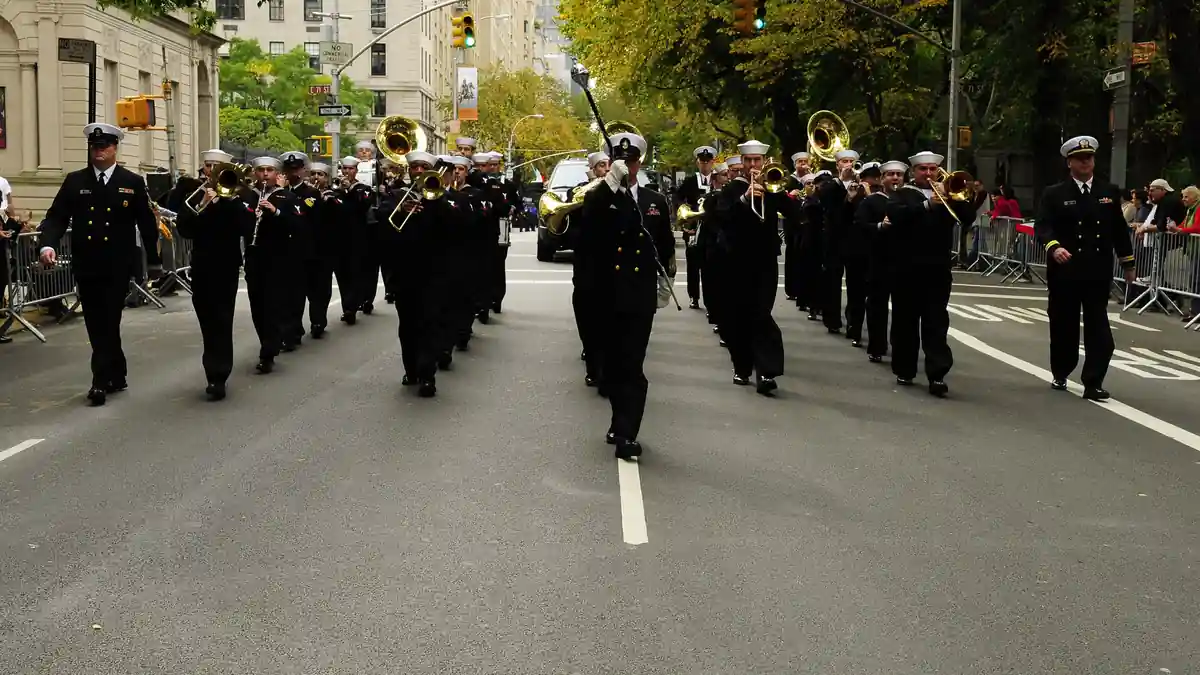
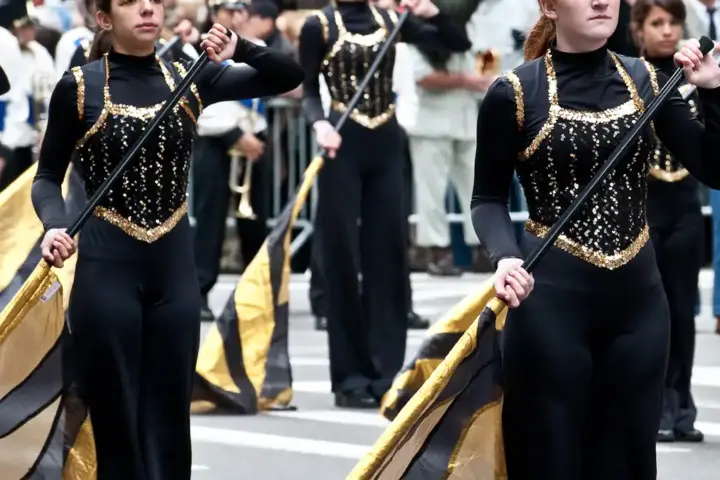
New York City Mayor Zohran Mamdani did not attend the Fifth Avenue Columbus Day parade in Manhattan on October 12. His office released an Italian Heritage Month video praising Vito Marcantonio, an East Harlem congressman of Italian descent known for defending civil rights, in place of a standard Columbus Day message. Angelo Vivolo of the Columbus Heritage Coalition, representing more than 50 Italian-American organizations, called Mamdani’s absence a deliberate snub to the Italian-American community. Mamdani’s supporters called it a reframing of Italian-American heritage. Both responses reveal something real about the holiday — and about the choice Mamdani made.
The New York City Columbus Day parade on Fifth Avenue typically draws more than 35,000 marchers, per New York Senate resolution J2124. Mamdani’s office made no statement opposing Italian heritage; it substituted the standard Columbus Day message with a tribute to a specific Italian-American historical figure with a different political identity from Columbus. The Fifth Avenue parade proceeded without the mayor. The controversy arrives during the 2026 NYC mayoral election cycle.
Columbus Day carries two distinct meanings that have coexisted for decades. For Italian Americans — particularly those whose communities formed during a period of severe anti-immigrant violence — the holiday has been a site of civic recognition and pride. For Indigenous advocates and historians, the date marks the start of European colonization and the dispossession, violence, and disease that followed for Indigenous peoples. Mamdani’s choice of Marcantonio rather than Columbus is an attempt to honor the Italian-American heritage tradition while replacing its central figure. Whether that distinction holds politically depends entirely on which voters he is trying to reach.
Why Columbus Day and Italian-American Identity Are Connected
The history of Columbus Day’s creation runs deeper than most current coverage reflects. In 1891, eleven Italian immigrants were lynched in New Orleans in what historians describe as the largest mass lynching in American history. President Benjamin Harrison issued a one-time proclamation in 1892 marking the Columbus anniversary as a civic gesture to Italian Americans amid that anti-immigrant violence; it was not a recurring federal holiday. Congress formally enacted Columbus Day as a federal holiday in 1934, with President Franklin Roosevelt holding the first federal observance in 1937.
That origin explains a real stake. Without it, the debate reads as a straightforward clash between heritage and Indigenous history. With it, the question becomes harder: can a holiday created to protect an immigrant community from violence also be a site for reckoning with the violence that community’s symbolic figure represented?
Vito Marcantonio served East Harlem in Congress from 1935 to 1937 and 1939 to 1951 as a member of the American Labor Party. He defended civil rights cases and opposed the Taft-Hartley Act. He was also Italian American. Mamdani’s video positioned him as a counterweight — an Italian American worth centering on Italian Heritage Month for different reasons than Columbus. Whether NYC voters read that substitution as respectful or dismissive will depend on their own relationship to the holiday’s history.
Both primary statements — Mamdani’s video and the Columbus Heritage Coalition’s written responses — are publicly available. The factual core of the controversy is straightforward: whether the mayor attended the parade and what he said. The historical layer is the context that makes the dispute make sense. Parade turnout figures and any Mamdani response to organizer criticism are expected later today and Monday. Check back for updates.