 Karmactive Staff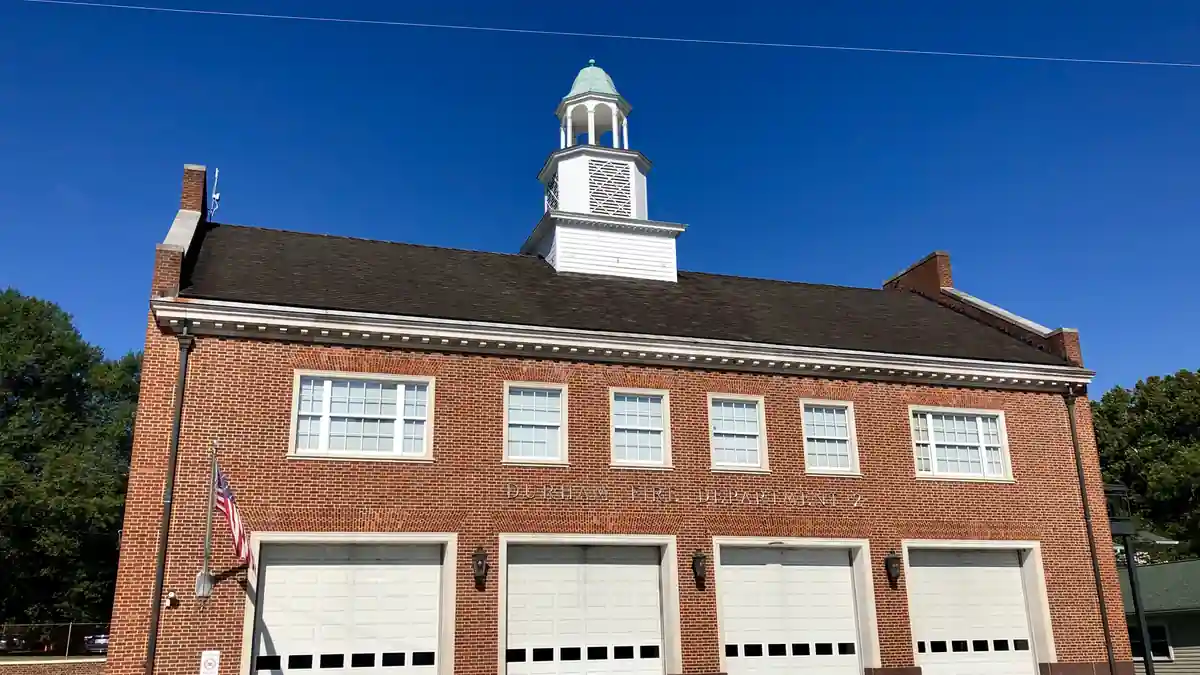
Andrew Brokes, a 24-year-old Durham firefighter assigned to Station 13, Tower Company 5, died in the line of duty on October 8 when the structure he was searching collapsed during a fire at 410 Marly Drive in southeast Durham. Two colleagues were also injured and treated at local hospitals. The SBI arson unit and local fire marshal offices are conducting an active investigation. No official cause for the structural failure has been released. His death puts a specific question back in front of fire departments across North Carolina: what can actually reduce collapse risk for crews working inside burning buildings?
Brokes joined the Durham Fire Department in May 2025. The fire broke out at approximately 3:15 a.m. Occupants of the structure escaped. The roof collapsed at approximately 3:31 a.m., after which the second floor fell onto crews operating on the first floor. Two other firefighters were injured and have since been released from hospital. Durham Fire Department leadership and city officials confirmed the line-of-duty death; funeral services are being coordinated. The North Carolina State Bureau of Investigation is involved in the review. Any findings about the cause of the structural failure are preliminary until investigators report formally. Official cause should not be attributed to building conditions, fire progression, or any other factor until the SBI and fire marshal complete their work.
Interior fire searches in structures of uncertain occupancy classification carry a disproportionately higher collapse risk. NIOSH firefighter fatality investigations have documented the pattern repeatedly across prior incidents: discrepancies between a building’s permitted use and actual layout can affect how crews assess structural risk during a size-up. No single policy eliminates the risk — but specific tools have a documented record of reducing it.
What Investigators Look for After a Structural Collapse
When a line-of-duty death involves a structural collapse, investigators examine several factors: whether the building’s actual load-bearing configuration matched its permit records, how far fire had progressed before crews entered, whether a 360-degree size-up identified warning signs on the exterior, and whether accountability and rapid-intervention protocols were deployed.
The property at 410 Marly Drive was described in fire-service reporting as a multi-story commercial building that appears to have been used as a home. The cause of the structural failure is under active investigation, and no finding about the building’s construction, materials, or layout should be attributed to this incident until investigators formally report. General lessons from the NIOSH firefighter fatality investigation record — which documents collapse patterns across hundreds of incidents — apply as a broader prevention resource, not as a characterization of what occurred at Marly Drive.
NIOSH’s Fire Fighter Fatality Investigation program publishes post-investigation reports on line-of-duty deaths, documenting systemic failure patterns across hundreds of incidents. The US Fire Administration maintains prevention resources at usfa.fema.gov. These resources exist because occupational safety in fire service advances through structural changes in how departments assess buildings, train crews, and deploy accountability systems — not through individual actions alone.
For the Durham community, information on supporting the Brokes family and Station 13 crew will be published through the Durham Fire Department and City of Durham official channels.