 Sonali Tiwary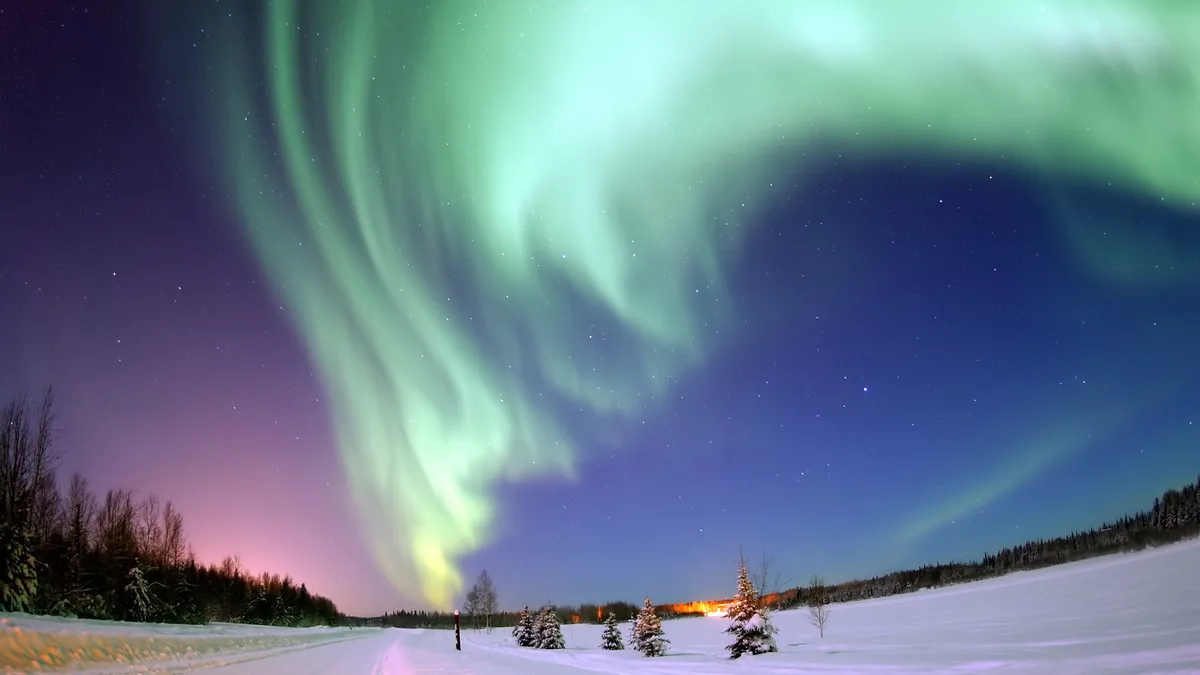
A G2, or moderate, geomagnetic storm can push the aurora farther south than usual. Whether the northern lights are visible on a particular night depends on the live NOAA forecast, cloud cover and darkness.
What a G2 storm means
NOAA classifies G2 geomagnetic storms as moderate. They correspond to a Kp index of 6, a measure of disturbance in Earth’s magnetic field.
During a G2 event, NOAA says the aurora may be visible as far south as New York and Idaho, around 55 degrees geomagnetic latitude. That is a possibility, not a guarantee: visibility also depends on storm strength, local darkness and cloud cover.
In the UK, northern Scotland and parts of northern England generally have the best chance during heightened geomagnetic activity. Observers should look toward the northern horizon from a dark location away from city lights.
What to check before going out
Aurora forecasts change quickly. Before travelling, check NOAA’s Space Weather Prediction Center alerts and forecast feed for the current watch or warning, its issue time and its valid period.
The best viewing conditions are clear skies and minimal light pollution. Moonlight can also make a faint display harder to see.
Possible effects
A previous G2 storm watch can cause high-frequency radio fade at high latitudes and may trigger voltage alarms in power systems. NOAA also notes possible satellite orientation or drag issues.
It does not follow that a G2 storm will cause blackouts or disrupt consumer GPS. Those effects depend on the specific event and system conditions.
For phone photographs, use night mode and keep the phone steady. Exposure time depends on the phone, the sky and available light.