 Tejal Somvanshi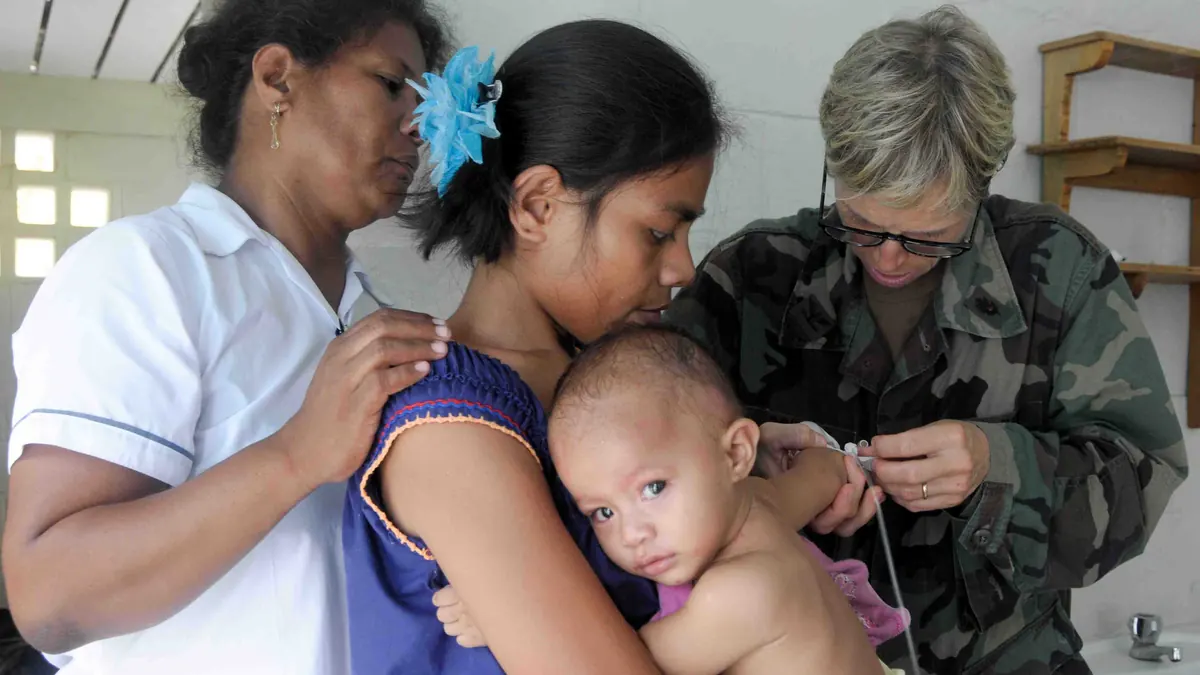
If you have a baby under eight months old, RSV season is a good reason to talk to your pediatrician about protection this month.
Respiratory syncytial virus (RSV) is a common virus that can cause serious illness in infants. In most of the continental US, protection is generally offered from October through March. CDC guidance offers two routes: a maternal RSV vaccine given at 32 to 36 weeks of pregnancy during September through January, or a long-acting antibody for eligible children under eight months. Current CDC clinical guidance lists nirsevimab or clesrovimab as long-acting antibody options.
Infants born fewer than 14 days after maternal vaccination are among those who may still need the antibody. Ask your pediatrician which option applies to your family.
Watch your baby's breathing and overall condition, not just the thermometer. If your baby is working hard to breathe, has pauses in breathing, or seems unusually unwell, contact a clinician or seek urgent care. Use your pediatrician's or local health service's guidance for the specific warning signs and when to call emergency services.
Which protection does your family need?
Who should get RSV protection this fall? Infants entering their first RSV season should be protected, either through the mother's vaccine during pregnancy or a long-acting antibody for the baby. The right choice depends on timing, the baby's age and health, and local guidance.
What to expect at home
Most children catch RSV by age two. First infections in early infancy carry the highest risk of severe illness because babies' airways are narrow. RSV is a virus, so antibiotics do not treat it. Earlier draft claims about a "fewer than three wet diapers" threshold, specific AAP-attributed signs, the fever comparison, the named Johns Hopkins comment and a January 2027 CDC report were not verified and have been removed.
CDC surveillance will track RSV activity through the season. Check back for updates.
Internal links: infant cold vs flu symptoms guide; flu shot guide.
—