 Sonali Tiwary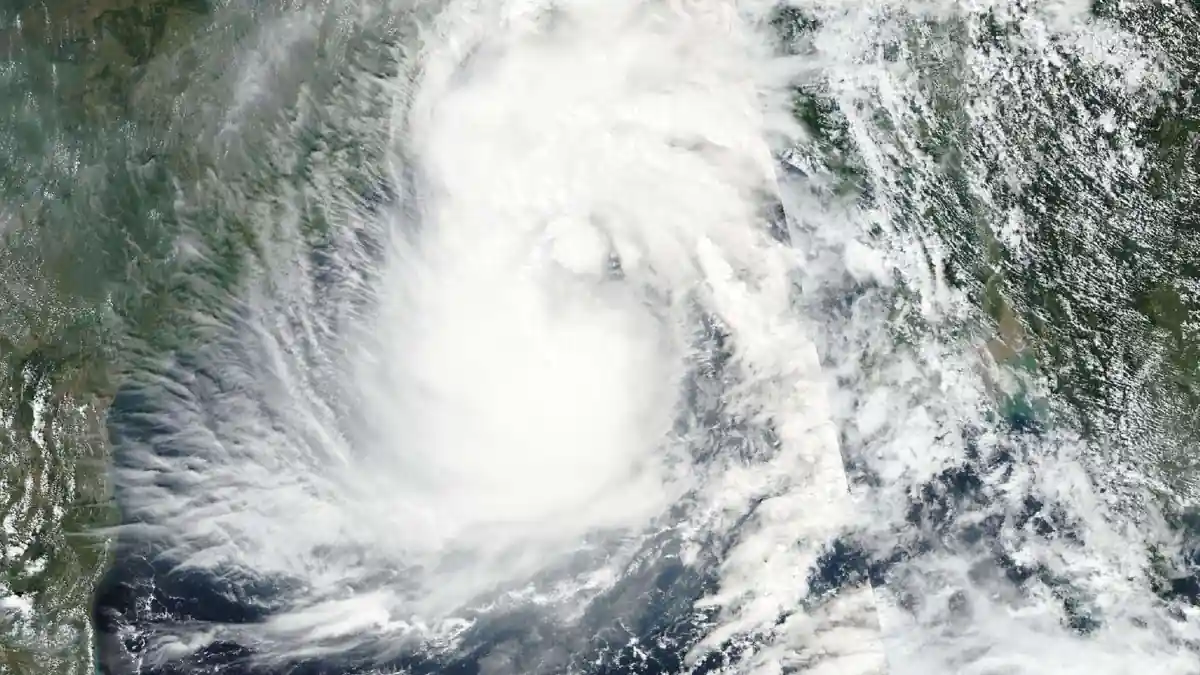
India Meteorological Department: Latest Weather Alert for Coastal Regions
Hook
The India Meteorological Department is monitoring a weather system affecting coastal regions across the Bay of Bengal. IMD has issued alerts for potential heavy rainfall and gusty winds affecting West Bengal, Odisha, Assam and northeastern states over the coming days. Maritime operations and coastal communities should prepare for heavy localized rainfall. IMD's current classification and forecast remain the authoritative source for public safety guidance.
Core Facts Block
The India Meteorological Department issued weather alerts for West Bengal, Odisha, Assam and northeastern states for potential heavy rainfall and rough seas. IMD's Tropical Cyclone Bulletins and coastal advisories provide the most current classification, wind-speed measurements and projected track.
According to IMD classifications:
- Depression: Maximum sustained wind speed 31–50 km/h
- Deep Depression: Maximum sustained wind speed 51–61 km/h
- Cyclonic Storm: Maximum sustained wind speed 62–88 km/h
- Severe Cyclonic Storm: Maximum sustained wind speed 89–117 km/h
Social media has circulated the name "Cyclone Arnab," but official IMD designation of any system as a cyclone depends on sustained wind speeds reaching the classified threshold.
Consequence Paragraph
Coastal communities and agricultural operators in West Bengal, Odisha and northeastern states should prepare for heavy localized downpours and potential coastal squalls. The India Meteorological Department advises maritime operations to suspend deep-sea fishing until weather conditions improve. Farmers are urged to clear drainage channels immediately to prevent standing water damage to crops. Residents should monitor IMD official bulletins for updated track and intensity forecasts.
Depth Block: IMD Classification and Current Guidance
IMD Classification Standards
The India Meteorological Department uses specific wind-speed thresholds for storm classification. Official designation as a "cyclone" requires sustained wind speeds to reach the cyclonic storm threshold of 62 km/h or greater.
Social-media circulation of storm names does not establish official IMD classification. IMD's technical bulletins remain the authoritative source.
Current System Status
For the most current system classification, wind speed, track, and forecasted landfall details, consult IMD's official coastal bulletins and sea-area bulletins. These are updated regularly as the system develops.
Historical Context
Earlier reporting mentioned a late-September deep depression over the Bay of Bengal that had weakened and moved inland. The September system did not develop into a named cyclone. Current October system details should be sourced from the IMD's current operational bulletin.
Forecast Track and Timing
IMD's latest marine bulletin provides specific timing, location and rainfall forecasts. These details are updated as new meteorological data become available.
Maritime and Agricultural Advisories
Deep-sea fishing suspensions are issued when IMD determines dangerous sea conditions. Farmers should clear waterways to prevent crop damage from standing water during heavy rainfall.
Official Sources
For real-time updates, visit:
- IMD Coastal Bulletin: mausam.imd.gov.in
- IMD Sea-Area Bulletin: mausam.imd.gov.in
- State meteorological departments
Key Question
What is the current India Meteorological Department classification of the Bay of Bengal system?
Refer to IMD's official coastal and sea-area bulletins for the current system classification. The specific wind-speed measurement determines whether the system is classified as a depression, deep depression, cyclonic storm or severe cyclonic storm. Social-media names do not establish official classification.
Closure
For authoritative weather information, monitor IMD's official website and state meteorological department alerts. These provide real-time updates and are the most reliable source for public safety decisions. Coastal residents, farmers and maritime operators should follow the specific guidance issued by their regional weather authorities and IMD bulletins.