Sunita Somvanshi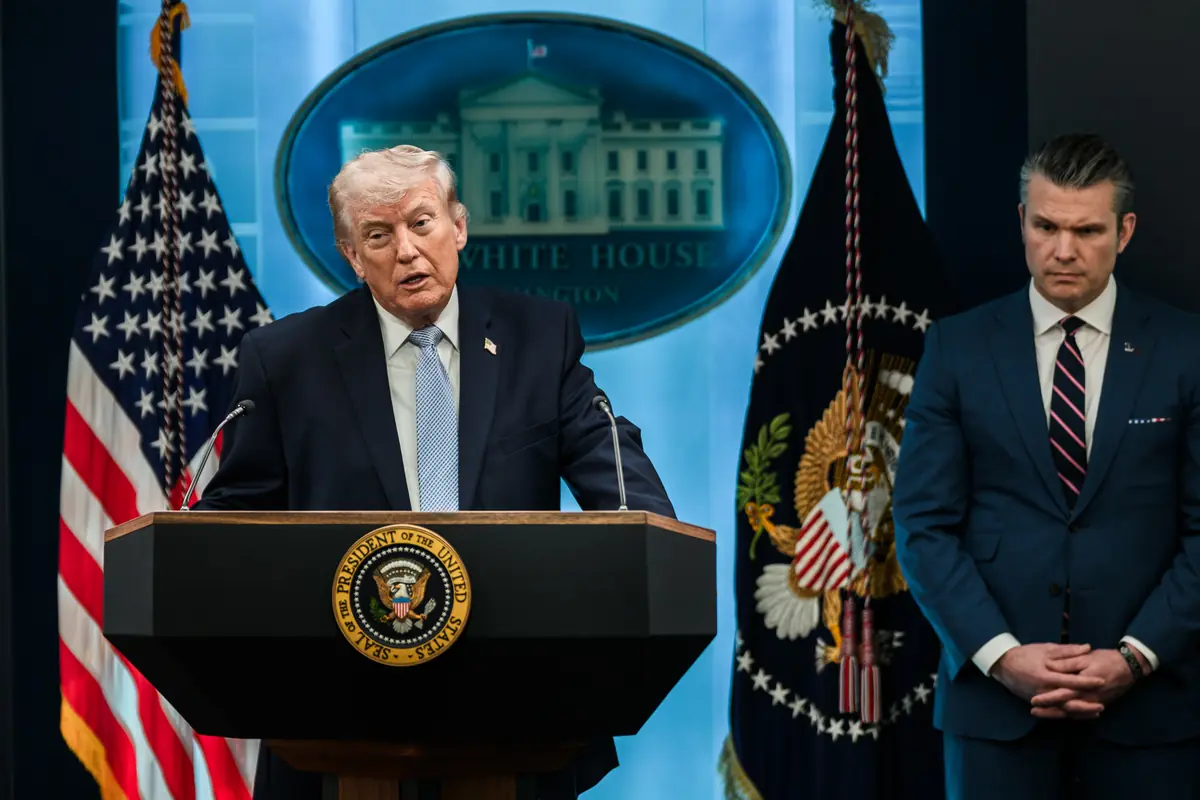
Trump Threatens Diesel Export Ban as Europe Faces Pressure to Release Reserves
American diesel drivers are paying a record $6.53 a gallon — up 70% since the Iran war began. With US strategic oil reserves nearly empty, the Trump administration has turned to Europe for help, threatening to ban diesel exports to France and Germany if they do not release emergency stockpiles.
The Numbers Behind the Crisis
The US wants the European Union to release 120 million barrels of diesel over the next six months — roughly a third of the EU total 315 million barrel reserve capacity. Germany and France hold the largest shares, with 5.6 million and 8.2 million tonnes respectively.
Diesel prices in the US have surged past $6.38 a gallon, up from $3.71 a year earlier, according to AAA data. The price spike has become a midterm election issue, with farm-state Republicans demanding action.
Energy Secretary Chris Wright told reporters the administration expects announcements from Europe soon. “We have lost diesel exports from the Middle East, although we are restoring those, and we have lost diesel exports from China,” he said. “So that is a lot of interruptions.”
Why Europe Is Being Pressured
Europe dependence on US diesel has deepened sharply. The US now supplies roughly 32% of the EU extra-EU diesel imports, up from 17% in 2025, according to Kpler data. France alone imports about 36% of its diesel from the United States.
This dependency is the direct result of two supply shocks. Russia banned diesel exports in July after Ukrainian drone strikes destroyed refineries, extending the ban through October. The Iran war disrupted Middle East shipping routes, cutting off a major source of refined fuel for Europe.
After banning Russian imports, Europe turned to American diesel as a replacement — a climate and energy dependency that now cuts both ways. That hedge now cuts the other way — leaving Brussels exposed if Washington follows through on an export ban.
The Diplomatic Standoff
The pressure campaign escalated Thursday. Treasury Secretary Scott Bessent posted on X that European partners should “accelerate delivery on their existing commitments.” USTR Jamieson Greer raised the issue at a G20 trade ministers meeting in Milwaukee.
The European Commission, Germany, France, Italy, Ireland, and Britain held a phone call Thursday to discuss releasing diesel stocks. Another call is scheduled for Friday morning in Brussels.
But Europe response has been noncommittal. EU energy spokesperson Anna-Kaisa Itkonen said the bloc is “in very close contact” with member states but made no promise. Germany economy ministry said the International Energy Agency had not yet asked it to release stocks.
French President Emmanuel Macron did not raise diesel with Trump at the UN General Assembly last week, according to the Elysee. Macron plans a G7 video summit to coordinate reserve releases through the IEA.
The Irony at the Center of This Crisis
Trump is simultaneously threatening a diesel export ban AND asking Europe to release reserves as an alternative. The policy tool he is brandishing is exactly what he is asking allies to avoid. Analysts at RUSI argue this leaves Europe especially exposed if Washington follows through.
The American Petroleum Institute, US Chamber of Commerce, and allied organizations have warned in a joint letter that a ban would “lead to less fuel production, tighter supplies and rising costs for American families, farmers and truckers.”
Goldman Sachs estimates a US export ban could initially reduce US diesel prices by roughly 4% but raise European wholesale diesel costs by about 2%. A coordinated EU release of 120 million barrels could offset approximately half of that European price effect.
Why Diesel Costs This Much
Three overlapping supply disruptions have squeezed the global diesel market. The Iran war blocked Middle East shipments. Russia export ban removed a major supplier. China suspended October fuel exports to protect domestic stocks.
With US strategic reserves depleted, the administration has few tools left besides pressuring allies. The IEA coordinated a 400 million barrel release in March — the largest in history — but that buffer is now fading.
What Comes Next
The EU Energy Task Force meets Friday in Brussels. Watch for three signals: whether Germany agrees to release stocks, whether France commits to the G7 coordination plan, and whether the White House follows through on the export ban threat.
European governments argue an export ban would undermine energy security at a moment of maximum dependency on US fuel. The talks will include coordination of reserve releases with the International Energy Agency.
For American drivers, the answer to “when do prices drop” depends on whether Europe blinks first. If EU reserves flow into global markets, diesel could ease within weeks. If the US imposes a ban instead, expect higher prices at every pump.