 Govind Tekale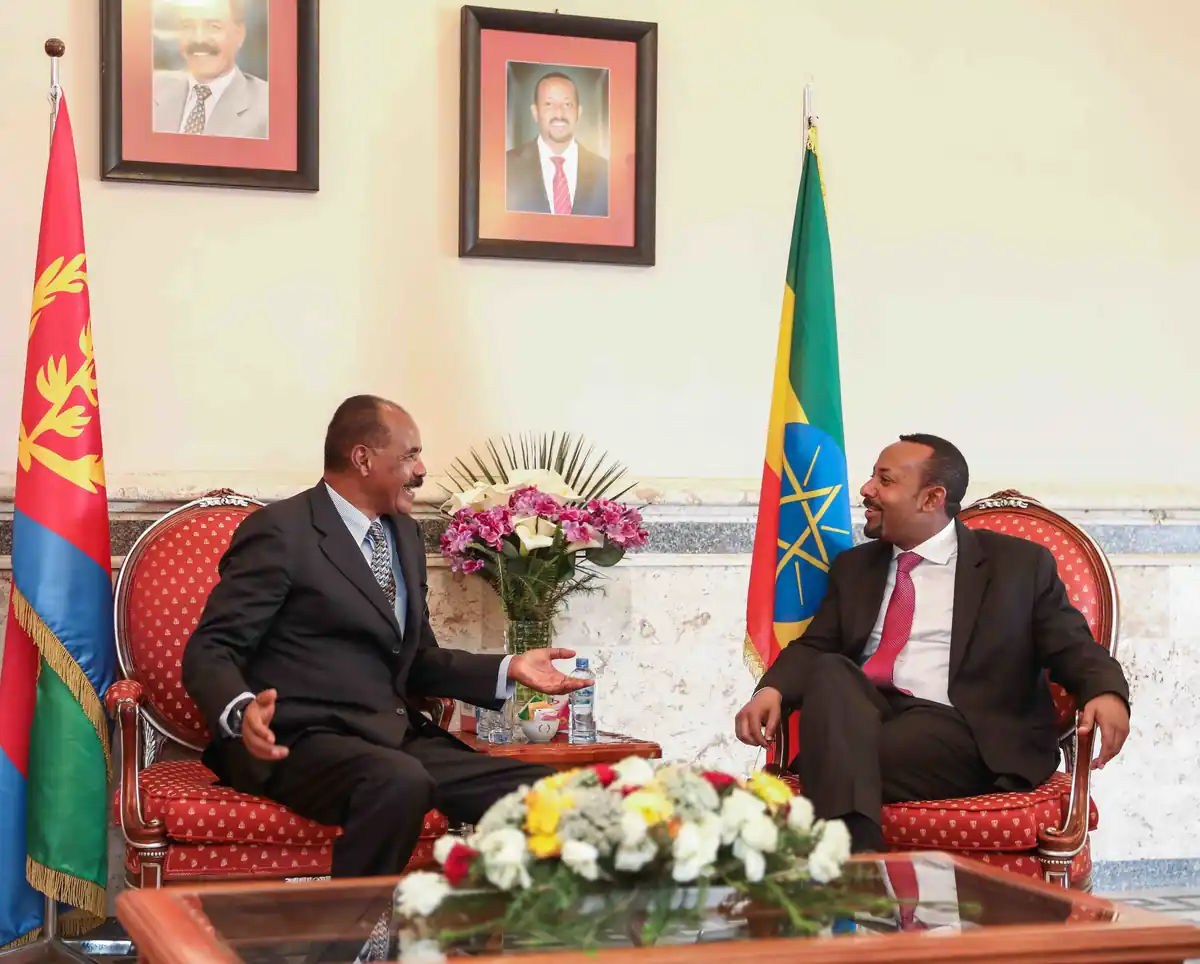
Ethiopia and Eritrea Cut Diplomatic Ties as Northern Conflict Escalates
Ethiopia and Eritrea have formally severed diplomatic relations, marking the most serious breakdown between the two Horn of Africa nations since their 2018 peace deal. The announcement came as military activity intensifies along their shared border and humanitarian groups warn of a deepening crisis affecting millions.
The rupture followed weeks of escalating skirmishes and accusations of cross-border aggression. Ethiopia moved first — closing its embassy in Asmara and expelling 10 Eritrean diplomats with 48 hours to leave. Eritrea then responded by severing all official ties with its neighbouring nation.
“The Eritrean regime has consistently violated our sovereignty and territorial integrity,” said Ethiopian Foreign Ministry spokesperson Dina Mufti. “We have exhausted all diplomatic channels. This rupture is a direct consequence of Eritrea’s aggressive posturing and military provocations.”
Eritrean authorities disputed the characterisation, claiming that Ethiopian forces had staged unprovoked attacks on Eritrean military positions. “Ethiopia’s expansionist ambitions threaten regional stability,” said Eritrean Information Minister Yemane Gebremeskel. “We have no choice but to sever ties and mobilise our full defence capabilities.”
Humanitarian Crisis Deepens
The diplomatic collapse comes as humanitarian organisations warn of a deepening crisis affecting millions in the border region. The International Committee of the Red Cross reported that recent fighting has displaced an estimated 200,000 people and restricted access to critical medical supplies and food assistance.
“Civilians are caught in the middle of escalating military operations,” said an ICRC spokesperson. “We urge both nations to prioritise humanitarian access and protect civilian populations.” The crisis mirrors displacement patterns seen in the M23 rebel advance in eastern Congo, where hundreds of thousands fled across borders.
The conflict threatens to destabilise the broader Horn of Africa region, with potential implications for neighbouring countries including Sudan and Djibouti. The African Union, headquartered in Addis Ababa, issued a cautious statement calling for immediate de-escalation and a return to the negotiating table, per AU press releases. However, observers note that the organisation’s leverage remains limited given its geographic proximity to Ethiopia and historical challenges in mediating interstate conflicts on the continent.
International mediators, including representatives from the United States and European Union, have initiated separate diplomatic efforts to prevent further deterioration, though progress remains elusive. The UNHCR has tracked displacement data showing over 200,000 newly displaced persons in the border region, according to UNHCR reports.
Military analysts warn that the severance of diplomatic ties could signal preparations for sustained military operations rather than isolated skirmishes. “When nations formally cut ties, they are typically preparing populations for prolonged conflict,” said a Horn of Africa analyst at the Institute for Strategic Studies. Both nations are mobilising additional troops along their borders, according to satellite imagery reviewed by independent monitoring organisations — a pattern seen in recent US military deployments to the Middle East. The situation remains fluid, with international observers closely monitoring the situation for signs of broader regional involvement.
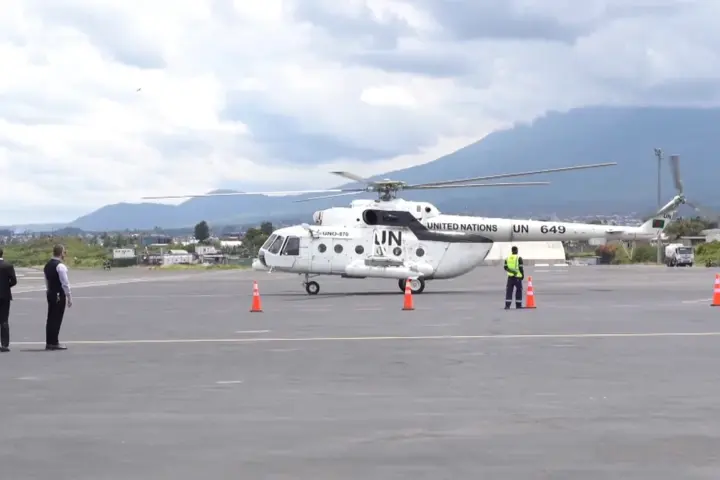
The two nations have endured a contentious relationship spanning decades, culminating in a devastating 1998-2000 border war that killed an estimated 100,000 people. An OAU-brokered ceasefire — under Algerian President Bouteflika — led to the 2000 Algiers Agreement, with the UN subsequently establishing UNMEE to police it. The mission withdrew in 2008 amid disagreements over its mandate. Tensions reignited in 2020 when Eritrea actively entered the Tigray war on Ethiopia’s side — Eritrean Defence Forces crossed into Tigray to fight the TPLF. Eritrea was an active belligerent, not a passive victim of spillover.
NONE
Why did Ethiopia and Eritrea cut diplomatic ties? Ethiopia cut diplomatic ties with Eritrea because Asmara allegedly provided military support to Tigray forces during the northern conflict, despite a 2018 peace deal. The break signals collapsing diplomacy in the Horn of Africa and risks wider regional instability affecting trade routes and refugee flows into Sudan and Kenya — echoing displacement crises covered in recent Gaza refugee reporting and humanitarian blockades in conflict zones.
For residents in the US, UK, and Australia, the Ethiopia-Eritrea rupture matters because it disrupts Red Sea shipping lanes that carry global trade. The Horn of Africa corridor handles roughly 12 percent of world maritime commerce, including oil and container shipments. Any prolonged conflict could raise insurance costs for shipping and delay deliveries. The situation also affects refugee policies in Europe and aid budgets for humanitarian organisations that rely on diplomatic access to deliver food and medical supplies. Readers should watch for African Union mediation efforts and any UN Security Council statements in the coming days, as tracked by UN Security Council updates.