 Karmactive Staff
Viral videos, rumours, and social media posts are flooding West Bengal’s feeds with an alarming claim: Mukesh Ambani’s Vantara wildlife sanctuary is coming for the Sundarbans. The posts reference a local transcript — a resident’s plea to officials — that sparked the conversation. But what’s actually happening on the ground?
## What We Actually Know
The Sundarbans is real and it’s protected. UNESCO World Heritage Site since 1987, spanning 140,000 hectares — the world’s largest contiguous mangrove forest. Home to approximately 180-196 Bengal tigers, 260 bird species, estuarine crocodiles, and Indian pythons. Its protection is not negotiable; it is a global asset, as documented in the CAMPA dolphin recovery plan for the Ganges ecosystem.
The Vantara-Sundarbans connection is not real. Vantara is Ambani’s luxury zoo in Gujarat, hundreds of kilometers from the Sundarbans. No credible evidence — no official announcement, no environmental clearance filing, no land acquisition record — connects Vantara to Sundarbans. The viral claim appears to conflate multiple separate concerns, possibly confusing the sanctuary with other large industrial projects in the region. This conflation is precisely the kind of murkiness that undermines legitimate environmental scrutiny.
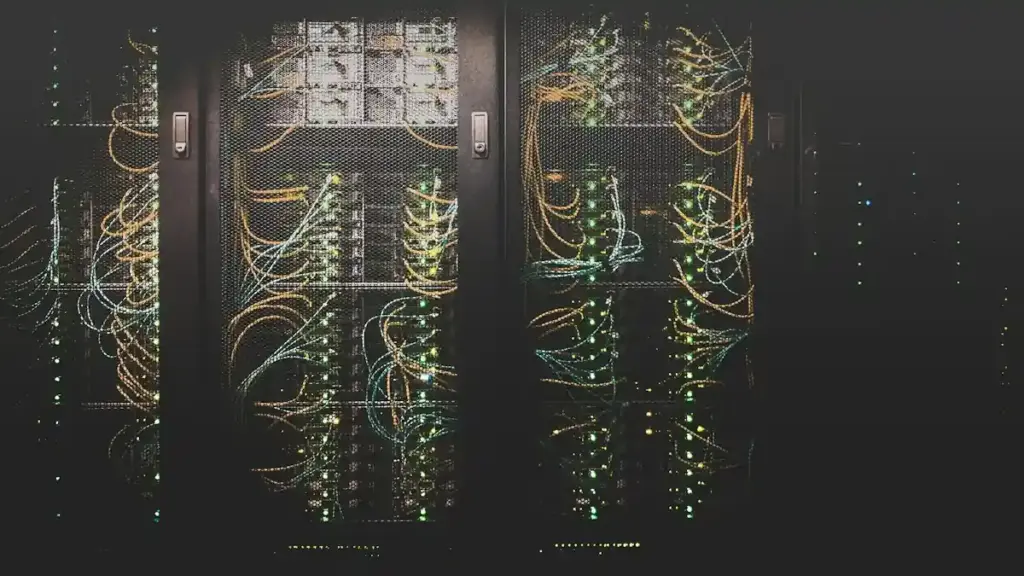
The Reliance Jio data center is confirmed. ₹1,000 crore ($142 million) facility, 525,000 sq ft at Bengal Silicon Valley Tech Hub in New Town. CM Mamata Banerjee laid the foundation stone. Meta has committed 168 megawatts of power. Construction is actively underway. Data centers are water-intensive — a critical detail given the documented water crisis in New Town. In 2026, over 300 residents fell ill from water contamination; the New Town Development Authority issued an advisory. For context on how coastal groundwater contamination affects communities, see our earlier report.
## How Would Vantara Actually Begin in Sundarbans?
If Vantara were to expand to the Sundarbans, the process would begin with land acquisition — government allocation or private purchase. The Sundarbans is a protected UNESCO World Heritage Site and National Park, so any such project would require environmental clearance from MoEFCC, forest clearance from the FAC, and approval from the State Forest Department. The Sundarbans Biosphere Reserve has strict protections — core zone inviolable, buffer zone limited activity, transition zone sustainable development. Any Vantara project would face intense scrutiny from conservation groups, UNESCO, and the National Board for Wildlife.
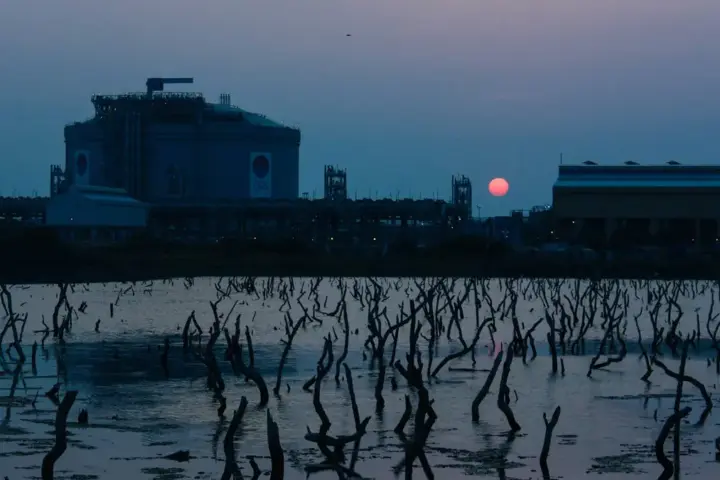
In practice, the Sundarbans already faces pressure from tourism resorts (United 21, New Suranjana operate in the buffer zone), fishing communities, and climate change-driven saline intrusion. Adding a large-scale wildlife sanctuary would compound these pressures — unless the project was designed as a genuine conservation effort, not a commercial zoo expansion.
The more immediate concern is the data center and industrial expansion. Water consumption from the Reliance facility, combined with existing contamination issues, creates a genuine risk to the mangrove ecosystem. Saltwater intrusion is already killing Sundarbans mangroves — adding industrial water demand accelerates this process.
## FAQ
**Q: Is Vantara really coming to Sundarbans?**
A: No credible evidence. Vantara is in Gujarat; no official announcement or land filing connects it to Sundarbans.
**Q: What about the Reliance data center?**
A: Confirmed. ₹1,000 crore at Bengal Silicon Valley, New Town. Construction underway. Meta partnership (168 MW).
**Q: Are the semiconductor hub and biogas plans real?**
A: Part of the Bengal Silicon Valley roadmap, but Sundarbans-adjacent details are unverified.
**Q: What is the water crisis in New Town?**
A: In 2026, over 300 residents fell ill from contaminated water. NKDA issued an advisory. The crisis is about contamination, not shortage — but industrial water demand adds strain.
**Q: Can Sundarbans tigers survive the pressure?**
A: 180-196 Bengal tigers in Sundarbans. Climate change, saline intrusion, and habitat fragmentation are the real threats — not a speculative Vantara project.
**Q: What can be done?**
A: Demand transparent environmental impact assessments. Support independent conservation monitoring. Verify claims before sharing viral posts.
## The Bottom Line
The Sundarbans is not disposable. But making false claims about Vantara weakens the case for its protection. Real threats — water demand, pollution, cumulative ecosystem stress — deserve rigorous, fact-based advocacy. That is where the focus should rest.
Sources: UNESCO World Heritage Centre, Wikipedia, Baxtel, Data Center Dynamics, Meta-Reliance Partnership, NKDA Advisory, Facebook/Bengal Developments
*Photo: Sundarbans mangrove forest, Bengal tiger habitat. Source: Pexels.*