 Rahul Somvanshi
What the uranium offer means for the ceasefire talks
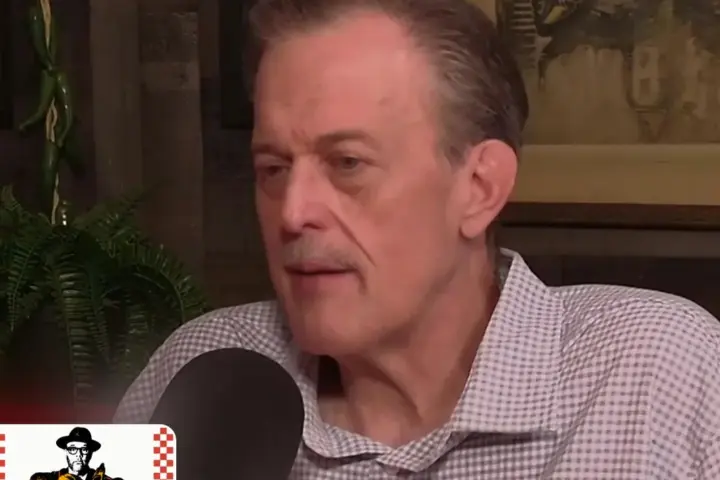
Iranian President Masoud Pezeshkian flatly denied that Tehran wants a nuclear bomb during an exclusive Fox News interview, while saying Iran is prepared to dilute its stockpile of highly enriched uranium and allow international verification. His comments came as mediators pressed Iran for nuclear concessions to revive ceasefire talks with the United States, and as Trump rejected an Iranian proposal for a seven-day truce.
Pezeshkian was asked directly by anchor Bret Baier whether Iran wanted a nuclear bomb. Not at all. Not at all, he responded, citing religious prohibitions previously invoked by Irans leadership against weapons of mass destruction. He said Iran was willing to reduce the concentration of its enriched uranium and submit to outside inspections.
The interview came amid continuing indirect contacts between Iran and the United States over a longer-term nuclear agreement. Little progress has been made as negotiators have failed to agree terms for Iran to accept monitoring of its nuclear facilities.
For readers in the US, UK, and Australia, the stakes could not be higher. A diplomatic breakthrough on Irans nuclear programme would end the nearly seven-month conflict that began in February 2026, when the US and Israel launched Operation Epic Fury. The alternative, continued deadlock, means the Strait of Hormuz remains blocked, global oil prices stay elevated, and the Middle East stays on a knife-edge.
Pezeshkians comments came the day after he addressed the UN General Assembly, where he pledged that Iran will never bow our head or bend at the knee. Trump responded that he was wavering between diplomacy and annihilating the Islamic Republic. The contrast between the two speeches and the Fox News interview highlights the gap between public posturing and private diplomacy.
Mediators described the effort to secure Irans nuclear concessions as a long-shot attempt to revive ceasefire talks. Qatari Prime Minister Sheikh Mohammed bin Abdulrahman bin Jassim Al Thani, relaying messages between Washington and Tehran, said the conflict was becoming increasingly difficult to resolve. Iran wants Washington to return to a June memorandum of understanding that included reopening the Strait of Hormuz and beginning nuclear negotiations in exchange for sanctions relief and unfrozen assets.
US officials said Trump no longer wants to return to that agreement, while Washington has tightened sanctions and maintained its blockade. Iranian Foreign Minister Abbas Araghci said Tehran remained open to negotiations but would respond to renewed military action. We are fully prepared for the war to resume, he told NBC News.
Pezeshkian offered dilution as a concession, but Tehran wants explicit assurances that Israel would not attack again after any US-Iran agreement. Israel, which is not a party to the talks, has focused on the elimination of Irans nuclear capabilities, already weakened by joint Israeli-American strikes on nuclear facilities in June 2025.
The uranium dilution offer is the most concrete diplomatic signal from Iran in months. Watch for Washingtons response and whether mediators can bridge the gap between Tehrans conditions and Trumps demands.
Sources: Fox News | Wall Street Journal | JTA