 Rahul Somvanshi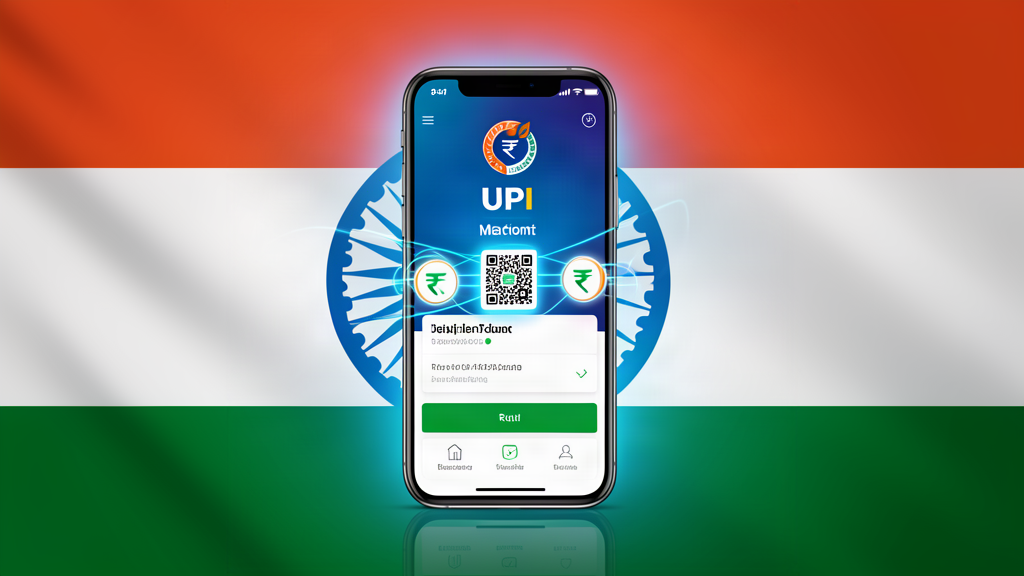
The Supreme Court has declined to halt the implementation of a merchant discount rate (MDR) on UPI payments above ₹2,000 beginning October 15, dealing a setback to a public interest litigation that challenges the levy’s constitutional validity. However, the court issued notices to the government, Reserve Bank of India, and NPCI, directing the Centre to file an affidavit explaining the basis for the charge within four weeks—signaling that scrutiny of the policy will continue even as it proceeds to implementation.
The decision marks a pivotal moment in India’s digital payments landscape, one that will touch tens of millions of transactions daily while affecting only a fraction of them. Here’s what you need to know.
Who Bears the Cost?
Despite concerns about consumer impact, the government’s position—echoed by CJI Surya Kant’s bench—is that 96% of merchant transactions will remain entirely unaffected. The newly introduced charges apply specifically to merchant payments exceeding ₹2,000. Peer-to-peer transfers, which account for 37% of UPI volume and 70% of its value, remain free. Payments under ₹2,000 also escape the MDR. Small merchants handling under ₹1 lakh per month will face no charges at all.
For those transactions that do trigger MDR, rates are tiered. A standard 0.4% charge applies to general merchant payments above ₹2,000, capped at ₹300 for transactions exceeding ₹75,000. Essential sectors—railways, telecommunications, insurance, fuel, and agricultural inputs—enjoy a flat ₹5 rate. Capital market transactions face the lowest rate at 0.02%. RuPay debit cards, significantly, retain their existing no-charge protection without any ceiling.
The Legal Challenge
Advocate Anjan Datta’s PIL contests whether the MDR violates the Constitution and the Payment and Settlement Systems Act, 2007. The petition challenges the constitutional validity of amendments to Section 10A of that act, alleging executive overreach, insufficient statutory safeguards, lack of transparency, and absence of meaningful public consultation. The petition also questions why UPI and RuPay—both payment instruments under the same regulatory umbrella—face divergent treatment, much as earlier challenges to the India Bank Strike saw workers contest executive decisions without statutory backing.
The court has not dismissed these concerns. By asking the government to file an affidavit detailing its rationale within four weeks, the bench has kept the door open for substantive legal argument. This suggests the full hearing could revisit whether the amended provisions meet constitutional muster.
The Government’s Rationale
Officials characterize the charge not as a tax on consumers but as a settlement fee within the UPI ecosystem—a cost recovery mechanism for sustaining the infrastructure. Finance Minister Nirmala Sitharaman described the decision as “completely professional,” underscoring that the government has explicitly advised banks not to pass the charge to end users. Whether merchants absorb the cost or adjust merchant discount terms is, officially, outside the government’s direct remit.
The Delay Question
The SC’s refusal to grant a stay means implementation will proceed as planned from October 15. However, the issuance of notices and the directive for an affidavit de facto delays any final verdict on the policy’s legality. The court has, in effect, allowed the policy to proceed while reserving judgment on its constitutionality.
What’s Next
The four-week timeline for the Centre’s response means substantive legal arguments could surface in late October or early November. The bench may then schedule a full hearing. Depending on how the court views the constitutional questions, the outcome could range from upholding the charge to ordering modifications or even suspension.
For merchants and consumers, the immediate takeaway is straightforward: most will see no change. Those conducting larger transactions should expect MDR to feature in settlement calculations, though the safeguards for essential services and capped rates suggest policymakers have attempted to limit the friction. The legal battle, however, is far from over.
Sources: National Herald, Livemint, The Hindu