 Govind Tekale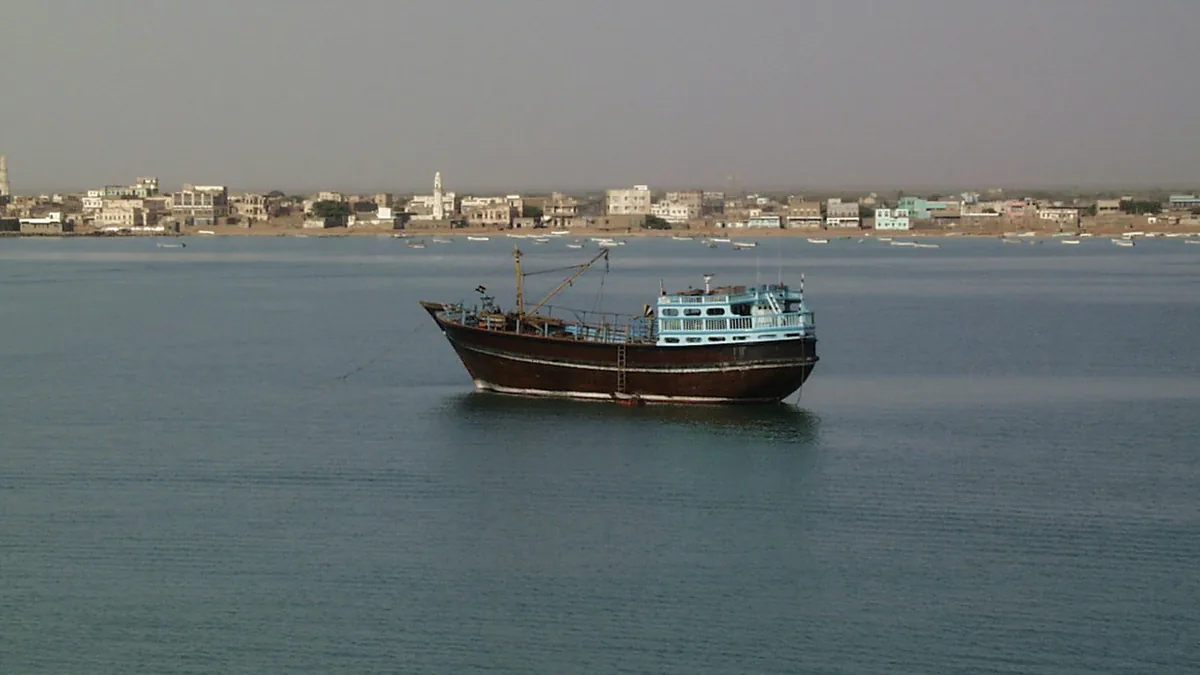
Houthi rebels seized Yemen’s strategic Red Sea port city of Mokha in less than 48 hours, in a major military offensive aided by alleged Iranian advisers on the ground. The rapid takeover has exposed deep divisions among forces aligned with Yemen’s Saudi-backed government and raised fresh risks to Saudi oil shipments and global shipping lanes.
The Houthis’ assault swept down Yemen’s west coast beginning September 9. According to people familiar with the offensive quoted by AP, advisers from Iran’s Revolutionary Guard were in the field and helped direct the battle — marking Iran’s most direct intervention in support of the Houthis since Yemen’s civil war began in 2014.
The rebels penetrated the internal communications of the National Resistance, one of the main anti-Houthi forces, allowing them to track movements and deepen confusion. National Resistance leader Lt. Gen. Tariq Saleh fled to Saudi Arabia. On September 10, government forces withdrew and the Houthis entered Mokha unopposed.
What This Means for Shipping
Mokha sits near the Bab al-Mandab strait, a critical chokepoint for global shipping. Houthi control of the port threatens Saudi oil shipments and Red Sea trade routes. If you rely on shipping lanes through the Red Sea, expect disruptions and higher costs for goods.
The Breakdown of the Offensive
The campaign had a clear geographic logic. The Houthis first attacked inland against the mountain belt west of Taiz, capturing key heights to control the route between Taiz and the sea. They then ran down the coast from the north, taking Hays, Al-Khokha, Al-Mafraq, Jabal al-Nar, and Mawza before reaching Mokha.
Government units withdrew from Al-Khokha, Al-Mafraq, and Jabal al-Nar before the fighting was decided. The same happened at Mokha in the early hours of September 10, with footage showing government forces leaving before Houthi fighters arrived. In several places, the line did not break under assault — it simply moved.
Unique Detail
The Houthis penetrated the National Resistance’s internal communications system, allowing them to listen in on field commanders and exploit divisions. One government official said there was no “unified command” and called it “a priceless opportunity for the Houthis.” This level of intelligence penetration has not been publicly reported in previous Houthi offensives.
Bottom Line
The Houthis continued their advance after Mokha, taking Dhubab and reaching Perim Island in the Bab al-Mandab strait. The Giants Brigade and Nation’s Shield forces have been sent to Taiz and southern Hodeidah. Saudi aircraft flew about 40 strikes on September 10. The situation remains fluid.