 Govind Tekale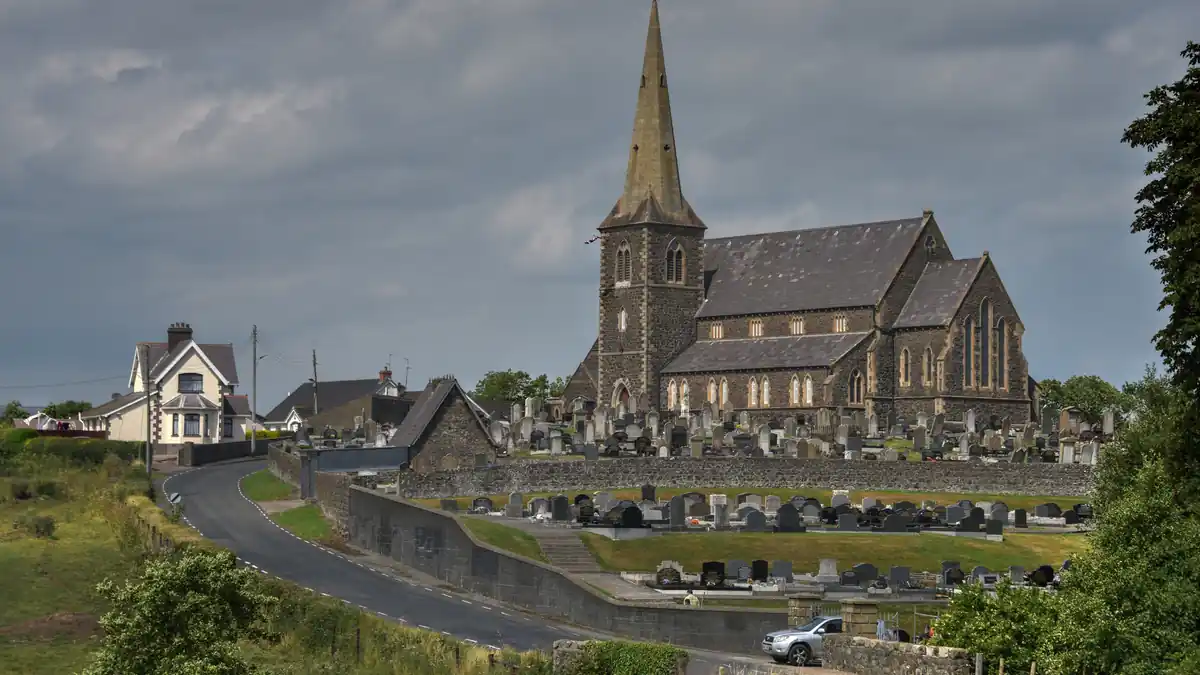
A court cleared an Orange Order march through one of Northern Ireland's most contested parade routes to proceed on Saturday for the first time since 1998, after the Parades Commission permitted it under strict conditions and overnight legal challenges were resolved. Protesters blocked Garvaghy Road, and the procession was delayed. Here is what was approved, what happened, and why this matters.
The decision and its conditions
The Parades Commission listed the September 27 parade from Drumcree Church towards Garvaghy Road in Portadown with a set of specific conditions. Those conditions included a limited number of participants — with a 35-person restriction — an 8am start, no supporters permitted to accompany the march, and restrictions on bands, music, route, and timing.
The Northern Ireland Department of Justice called publicly for the determination to be respected and for any protest to remain peaceful.
Nationalist residents and protesters had opposed the march. Protesters moved to block the route in large numbers, and the procession was unable to complete the intended route as of the latest reporting.
The overnight court challenges
A legal challenge to the Parades Commission decision on the night of September 26 resulted in an initial injunction being granted by Justice Patricia Smyth. The Court of Appeal subsequently overturned that injunction overnight. A further High Court sitting then upheld the Parades Commission determination. ITV News described the sequence of hearings as unprecedented.
Why Drumcree has been a flashpoint
The Drumcree dispute concerns an Orange Order parade route that passes through the predominantly nationalist Garvaghy Road area of Portadown. During the 1990s, the standoff over the route became a major flashpoint of the Troubles, with repeated clashes between protesters, loyalists, and security forces.
The Commission has blocked the Orange Order from completing the route since 1998. The 2026 determination marked a change after 28 years.
The Commission's role is to assess notifications for parades in Northern Ireland and set conditions where it judges them necessary to reduce the risk of public disorder. Its determinations operate under Northern Ireland's statutory parading framework and can be challenged in court. Understanding the history of the Parades Commission is useful context for anyone following Northern Ireland's community relations more broadly.
What the conditions meant in practice
The restrictive conditions attached to this parade are not a minor detail. No supporters accompanying the march meant the event was smaller than a standard parade. Restrictions on music and bands directly address one of the most visible aspects of loyalist marching on contested routes.
The Northern Ireland Department of Justice's call for peaceful protest, and the rapid overnight court proceedings, reflect the sensitivity of the determination.
What happens next
This story is developing. Whether the procession ultimately completes the route, what the police response is to the continuing blockade, and whether the Parades Commission will revisit this or related applications are all open questions. Coverage of Northern Ireland community tensions will be updated as further detail emerges. The Parades Commission's future determinations on contested routes, and any response from the Orange Order or Garvaghy Road residents, are the most likely next developments to watch.