 Rahul Somvanshi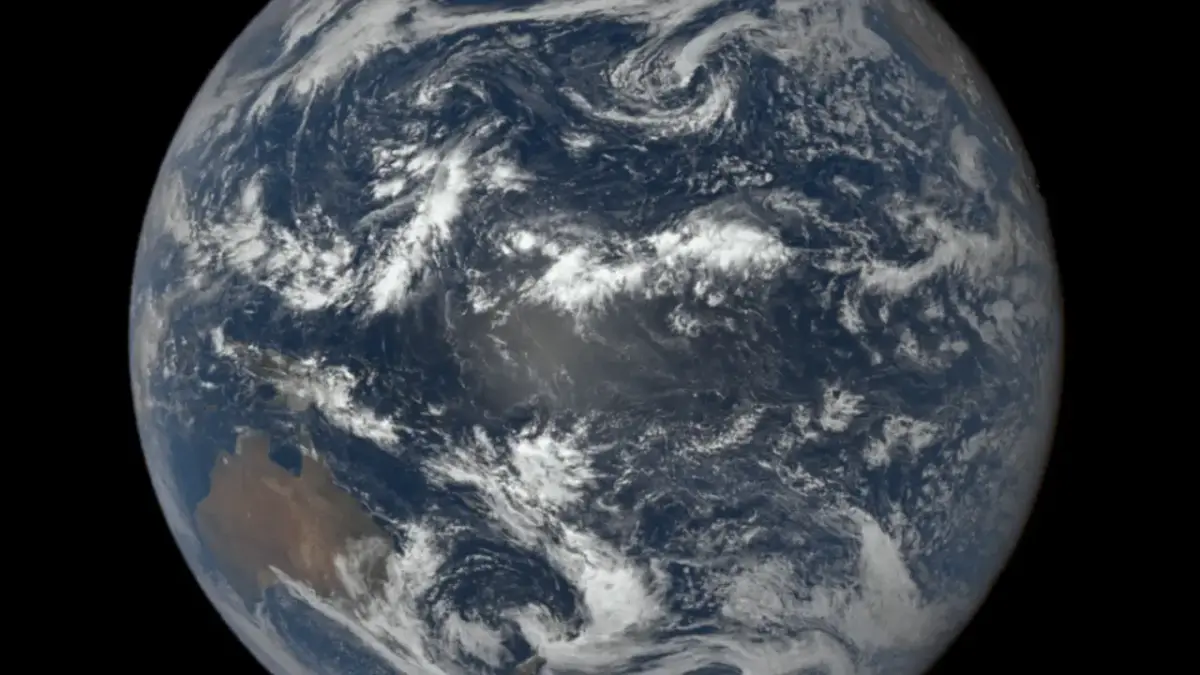
The 2026 autumnal equinox arrived at 00:05 UTC on September 23, marking the official start of astronomical autumn in the Northern Hemisphere. If you are expecting the day to be split perfectly in half — exactly 12 hours of daylight and 12 hours of darkness — the equinox does not actually deliver that. Here is what happened, what changes now, and why equal daylight comes later than most people think.
The 2026 autumnal equinox occurred at 00:05 UTC on September 23, which was 8:05 p.m. EDT on September 22 in the United States and approximately 5:35 a.m. IST on September 23 in India. At this moment, the Sun’s center crossed the plane of Earth’s equator, marking the start of astronomical autumn in the Northern Hemisphere. In the Southern Hemisphere, the same event marks the start of astronomical spring.
If you are waiting for noticeably shorter days and cooler weather, the equinox is the official beginning of that process, not its completion. Temperatures in many parts of the Northern Hemisphere will still feel like summer for days or weeks to come. And your day is not actually split into exactly 12 hours of light and 12 hours of darkness yet — that comes later, at the equilux, which varies by location and typically falls a few days after the equinox.
The equinox and the equilux are not the same thing
The equinox marks the Sun’s position in Earth’s orbit — the precise moment its center crosses Earth’s equatorial plane. The equilux is the date when a specific location experiences daylight and darkness that are as close to equal as possible. These two events do not coincide, and the equilux usually falls a few days after the equinox.
The reason is atmospheric refraction. Earth’s atmosphere bends sunlight, which means the Sun appears above the horizon for a few extra minutes even after it has technically set. Sunrise and sunset are also measured using the upper visible edge of the Sun rather than its center. Both effects add several minutes of apparent daylight, meaning most locations receive slightly more than 12 hours of light on the equinox itself.
After the equinox, the Northern Hemisphere loses daylight at roughly two and a half minutes per day at mid-latitudes in the United States. Locations across the Northern Tier — parts of the upper Midwest, New England and into Canada — lose approximately three and a half minutes per day because the Sun’s angle changes more steeply at higher latitudes.
There are two different versions of “fall” worth keeping separate. Meteorological fall, which is based on temperature patterns, began on September 1 and runs through November 30. Astronomical fall, which began this week, runs until the December solstice — expected on December 21 at 3:50 p.m. ET. The equinox does not cause an immediate temperature drop; parts of Texas were still warm after astronomical autumn arrived, which is common across much of the United States.
Is day and night exactly equal on the autumnal equinox?
No. Daylight and darkness are only roughly equal. The atmosphere bends sunlight and sunrise and sunset are measured using the Sun’s visible disk, adding several minutes of apparent daylight. The exact near-equal balance — the equilux — arrives a few days after the equinox, with the precise date depending on your latitude.
Closure: Daylight will continue shortening through the December solstice. The equilux — when daylight and darkness come closest to equal — arrives within the next few days, depending on where you are.
Related Karmactive coverage: Spring Equinox and September astronomy.