 Sonali Tiwary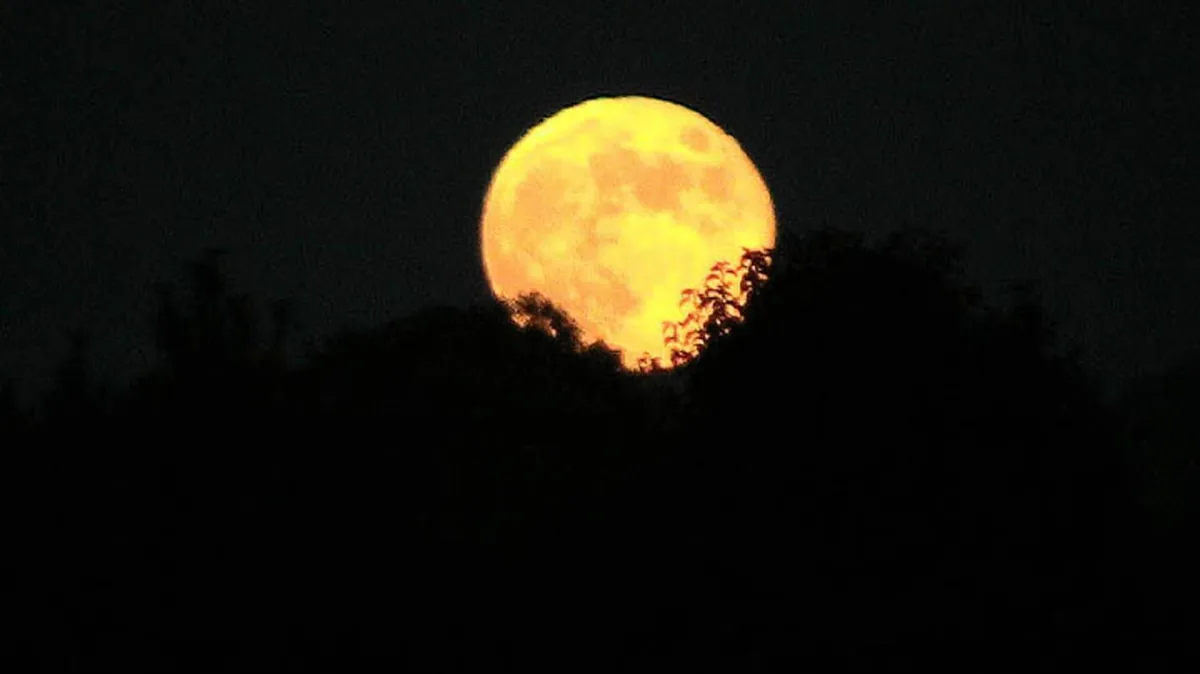
The next few weeks offer several reasons to look up at night. Venus is visible in the evening sky during September, the autumnal equinox arrives September 23, the Harvest Moon appears September 26, and the Orionid meteor shower peaks in mid-October. But if you want to actually see these things, you need practical information.
First, a factual correction. The Harvest Moon in September is not a supermoon. The Harvest Moon occurs on the night of September 26, 2026. The year’s supermoon comes later, on December 24. These are different events. Don’t expect the September moon to be dramatically larger than usual.
The autumnal equinox happens on September 23 at 1:06 AM BST. It’s the moment when day and night are roughly equal length across the Northern Hemisphere. It’s not something you see in the sky; it’s a precise astronomical moment. But it marks the shift toward shorter days and longer nights through winter.
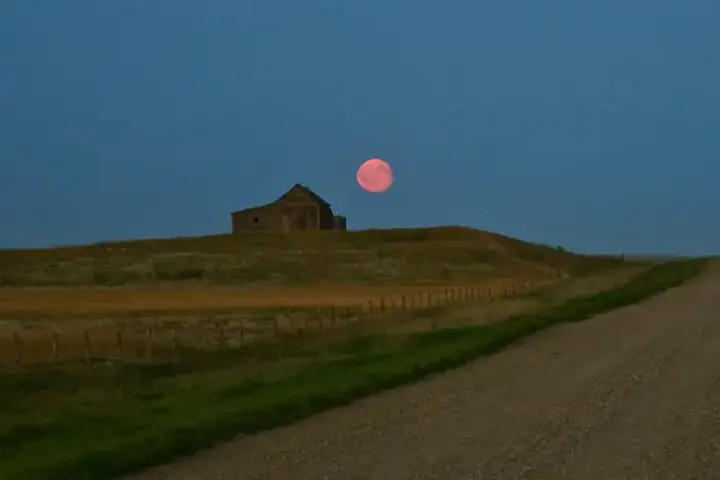
The Harvest Moon is the full moon nearest the autumnal equinox. It’s called Harvest Moon because it traditionally rose just after sunset for several nights, providing extra light for harvesting crops. The term is more romantic than practical for modern observers, but it’s the correct name. Look up on the night of September 26 and you’ll see a full moon. That’s the Harvest Moon.
Venus is visible in the evening sky in September, appearing as a bright “star” in the southwest shortly after sunset. Visibility changes during the month and by latitude. It’s the easiest bright object to spot, and you need no equipment—just clear skies and eyes.
The Orionid meteor shower is the real event for October. NASA gives these details: the Orionids are active from October 2 through November 7, peak on October 21-22, produce roughly 10–20 meteors per hour under dark skies, and come from debris shed by Halley’s Comet. The meteors travel at about 66 kilometers per second.
Here’s the practical advice. If you want to see meteors, find somewhere with dark skies, away from city lights. Light pollution is the biggest enemy. A town’s streetlights will wash out all but the brightest meteors. If you can’t escape the city entirely, moving well away from city lights can substantially improve visibility.
Give your eyes time to adjust. Spend 20-30 minutes away from lights before you start watching. Your pupils dilate, and you’ll see fainter meteors. Avoid looking directly at one spot. Instead, watch a wide area of sky and let your peripheral vision catch the meteors.
Check weather forecasts before you go. A clear night is essential. Clouds will ruin everything. Also, avoid nights with bright moon interference. A full moon washes out fainter meteors. The best meteor nights are typically after moonset or before moonrise, but this depends on the Moon’s phase and the meteor shower.
September 26 for the Harvest Moon is straightforward—look up any time after sunset, and you’ll see it. October 21-22 for the Orionids requires more planning. Find dark skies, arrive after sunset, give yourself time to adjust, and watch for at least an hour. That’s the realistic approach to actually seeing something.