 Karmactive Staff
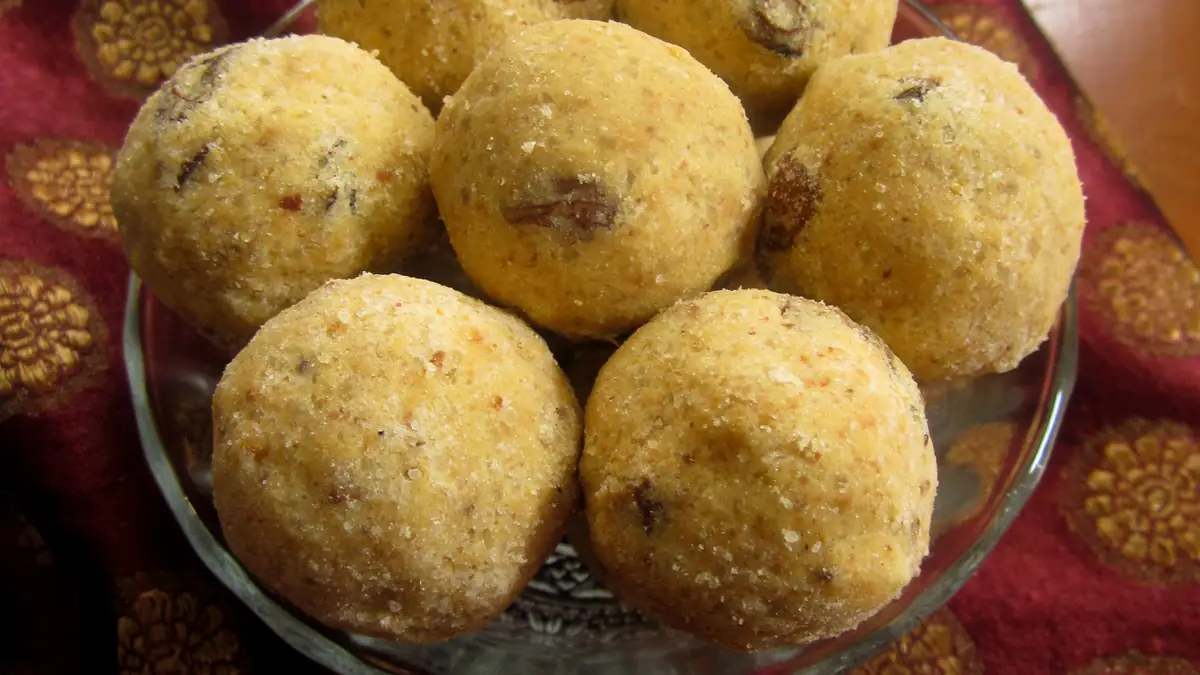
Diwali sweets represent centuries of culinary innovation, cultural identity, and family tradition across the Indian subcontinent. These mithai range from milk-based creams to fried pastries, each carrying regional significance and seasonal flavors. Indian sweets use milk solids, fermented foods, seeds, fruits, and dry fruits as primary ingredients, building nutritional complexity into preparations that have sustained families through generations. The festival season traditionally accelerates sweet consumption, with households exchanging elaborate mithai as expressions of affection and respect.
Modern Diwali sweet-making increasingly emphasizes sustainability: sourcing quality ingredients, minimizing waste, and controlling nutritional profiles that align with contemporary health awareness. Homemade sweets allow families to control sugar levels, selecting precise quantities that reduce glycemic impact compared to commercial preparations. This shift toward home production also strengthens family bonds, as generations collaborate on time-intensive recipes that preserve culinary knowledge. The practice directly supports agricultural communities when families source dates, nuts, and spices from regional suppliers rather than industrially processed alternatives.
Seasonal markets offer fresh ingredients during autumn, providing access to ingredients at peak quality and lower environmental cost. Purchasing from local vendors reduces transportation emissions while supporting small-scale producers who depend on seasonal commerce. Farmers markets in Indian cities burst with pomegranates, fresh coconut, dates, almonds, and cardamom during Diwali preparation season. These markets also offer jaggery, an unrefined sugar alternative that many traditional sweets employ, carrying mineral content that refined sugar lacks.
Milk-based sweets can incorporate reduced-fat milk solids to lower caloric density while preserving traditional texture and flavor. Kheer, a rice pudding essential to many Diwali meals, adapts easily to lower-sugar versions using dates or ripe banana for sweetness. Burfi, the dense milk fudge that defines festival sweets, becomes lighter when producers incorporate seeds like sunflower or pumpkin, adding nutrition alongside texture variation. These adaptations honor traditional preparation while reflecting contemporary nutritional understanding.
Waste reduction during sweet-making conserves resources while extending celebration’s ethical dimensions. Shells from nuts feed compost systems, cardamom pods become aromatic infusions, and coconut husks serve craft purposes. Gifting homemade sweets in reusable containers or minimal packaging reduces festival waste compared to individually wrapped commercial options. Families that embrace these practices report both environmental satisfaction and improved taste experiences, as homemade sweets typically surpass commercial alternatives in freshness and ingredient quality.
Priority PAA: What are traditional Indian sweets made from? How can families reduce sugar in Diwali sweets? Where do seasonal markets source Diwali ingredients? Which milk-based sweets support healthy eating?
—