 Karmactive Staff
Halloween decorations transform residential and commercial spaces into festive environments, yet the seasonal nature of holiday displays encourages annual purchasing cycles that generate substantial waste. Most mass-produced decorations utilize petroleum-based plastics designed for single-season use, creating environmental consequences that persist long after October ends. Exploring sustainable decoration approaches allows communities to maintain festive atmospheres while reducing consumption and landfill impact. See Halloween and Plastic waste.
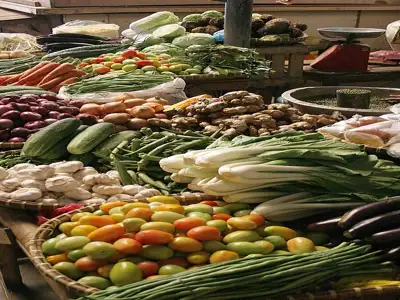
Natural materials provide abundant decorative options that require no manufacturing, packaging, or chemical processing. Pumpkins and gourds in their various sizes, shapes, and colors create visual interest through texture and form without requiring additional embellishment. Corn stalks bundled and displayed evoke autumn harvest traditions while utilizing agricultural byproducts. Fallen leaves collected during autumn walks provide texture, color variation, and natural fragrance when arranged in displays or incorporated into wreaths and garlands. Branch arrangements with berries and seed pods create sculptural elements that capture seasonal character without synthetic materials. See Composting, Biodegradable, and Soil pollution.
These natural materials biodegrade completely after seasonal use, either composted or returned to landscape mulch systems. Unlike plastic decorations that fragment into microplastics over decades, natural materials reintegrate into nutrient cycles and soil systems. The cost of gathering or purchasing natural materials remains substantially lower than plastic alternatives, making sustainability economically advantageous alongside environmental benefits. See Water pollution and Environmental health.
Reusable decorations constructed from durable materials represent the most environmentally sound approach to seasonal display across decades of use. Wooden decorations featuring carved designs or painted details withstand weather exposure while developing patina that enhances rather than detracts from appearance. Ceramic pieces including jack-o’-lantern holders and figurines combine aesthetic appeal with functional longevity. Metal decorations such as iron silhouettes and copper ornaments improve with age, developing character that synthetic materials cannot achieve. Cloth decorations created from natural fibers or durable synthetics—such as bunting, garlands, and decorative panels—can be stored and reused annually across generations. See Second-hand clothing, Vintage clothing, Sustainable fashion, and Sustainable design.
DIY decoration creation from recycled household materials transforms items destined for waste streams into festive elements. Cardboard boxes construct elaborate haunted house facades, painted and assembled with minimal additional materials. Plastic bottles decorated or grouped create luminous elements when lit with LED lights. Glass jars painted or filled with natural materials become functional lighting fixtures suitable for indoor and outdoor display. Paper products including newspaper, magazines, and cardstock folded or rolled create garlands, wreaths, and sculptural forms. Fabric scraps sewn or glued into bunting and wall hangings repurpose textile waste into display elements. See Recycling and Chemical pollution.
Shopping secondhand for decorations provides access to vintage and retro pieces while eliminating manufacturing impacts. Estate sales, thrift stores, and online marketplaces contain seasonal decorations reflecting diverse aesthetic periods and styles. Vintage paper decorations including die-cut paper lanterns and tissue paper create authentic mid-century atmosphere. Older plastic decorations manufactured before contemporary cheapening trends often feature superior durability and craftsmanship. This approach also supports local economies through secondhand retail channels.
Prioritizing local artisans and small manufacturers who create seasonal decorations from sustainable materials supports community economies while ensuring ethical labor practices. Handcrafted decorations frequently feature superior design and material choices compared to mass-produced equivalents. Supporting local creation builds community identity while reducing transportation impacts associated with international supply chains. See Occupational health and Public health.
Community decoration sharing where neighbors exchange seasonal items reduces individual consumption while building social connections. Decoration swaps occur through informal neighborhood networks or organized community events, spreading decorative abundance across broader populations.
Priority PAA: How to decorate sustainably for Halloween? Use natural materials like pumpkins, gourds, corn stalks, and fallen leaves; invest in reusable decorations from wood, ceramic, or metal; create DIY decorations from recycled household materials; prioritize local and secondhand decorative items.