Sunita Somvanshi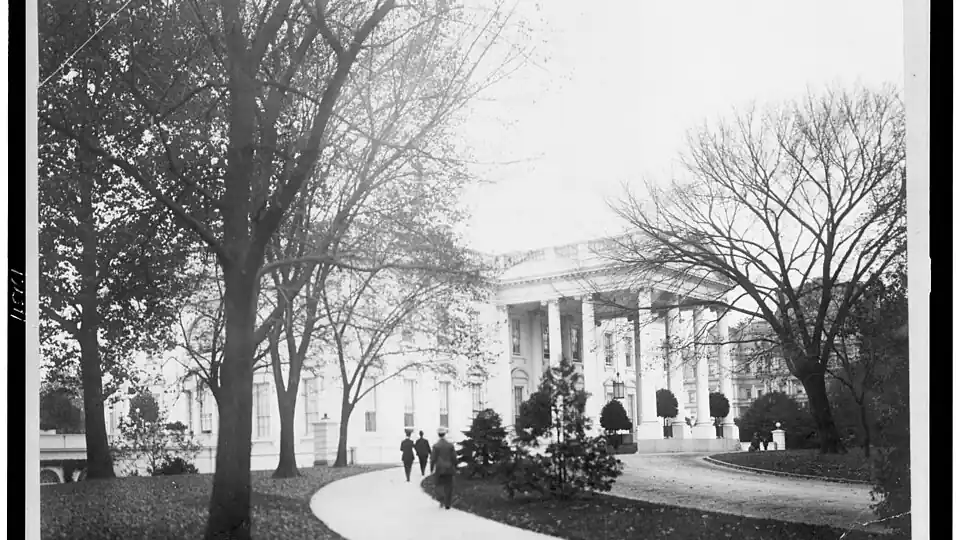
The White House's decision to restrict press access for CNN, Politico and MSNOW, announced in mid-September 2026, has generated legal challenges and political pushback that extend the story beyond Karmactive’s September 19 coverage. The Trump administration cited editorial standards in justifying the restrictions. Since the initial announcement, affected outlets have filed complaints with press freedom organizations and legislators from both parties have questioned the legal basis. The dispute now centers on whether the restrictions survive legal scrutiny.
Changes to White House press access can affect how journalists gather information and how audiences receive official statements. Readers should distinguish between a political announcement, an implemented access restriction and any legal challenge. A follow-up article should focus on documented developments since September 19 and explain whether affected organizations retain alternative routes to official briefings and events.
The core constitutional question is whether excluding specific outlets violates the First Amendment. Courts have not definitively ruled on a sitting president’s power to ban particular news organizations from press briefings. Previous cases involving access to government property suggest courts defer to executive control of government spaces—the White House can restrict physical access to its briefing room. However, if a restriction is viewpoint-based (targeting outlets for unfavorable coverage), courts have historically been more skeptical. The Reporters Committee for Freedom of the Press has documented dozens of cases where access restrictions were challenged under First Amendment grounds, with outcomes depending on whether courts find viewpoint discrimination. Affected outlets could seek judicial relief arguing the ban constitutes viewpoint discrimination. That case would enter federal court; timeline and outcome are uncertain.
Practically, excluded outlets still have reporting routes. Press secretaries’ public statements are available to all media. Congressional members and staffers speak to any journalist. Document releases and public records are not restricted. The limitation is real-time briefing room access and relationship proximity to officials—advantages that affect the depth and speed of reporting over time. Audiences of banned outlets receive news filtered through other organizations or delayed.
The next material development is either a court filing from an affected outlet or a negotiated partial reversal of the ban. Neither is confirmed as of September 22. The September 19 Karmactive article established the initial framework; this piece documents the follow-up phase. If a lawsuit is filed or the White House announces policy changes, a further update will be warranted at that point.