 Govind Tekale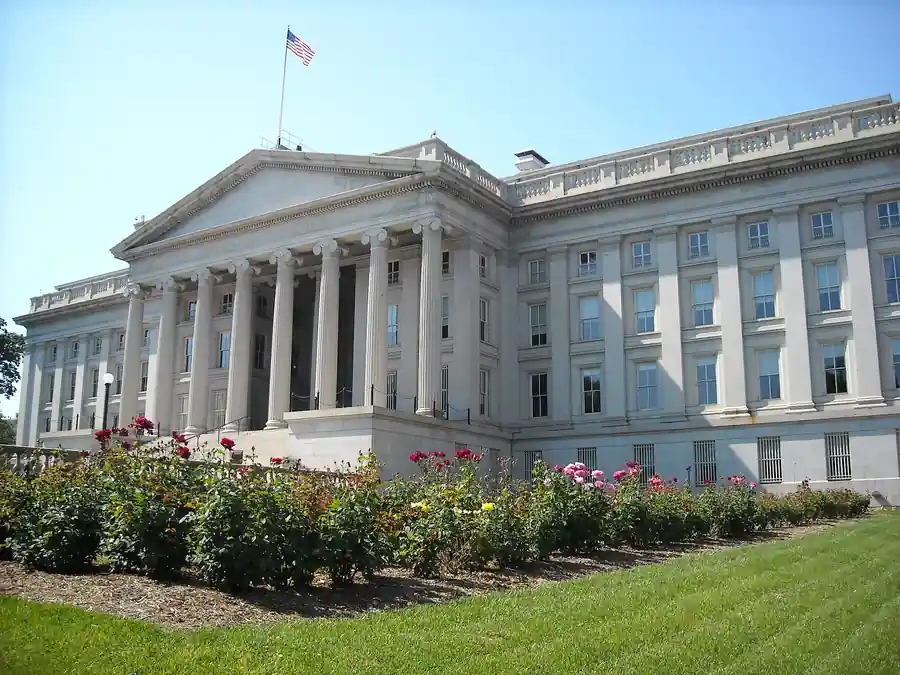
The U.S. Treasury Department announced new sanctions targeting Iranian financial networks and aviation operations. The actions are part of a broader campaign called Operation Economic Outcast that aims to restrict Iran’s access to global banking, foreign currency, and international financial systems. Treasury Secretary Scott Bessent emphasized that the government is systematically limiting financial pathways Iran uses to fund activities the U.S. considers threats.
On September 8, 2026, the Office of Foreign Assets Control (OFAC) targeted 36 entities supporting Iran’s aviation sector. The sanctions focused on front companies, financial intermediaries, and deceptive transshipment routes that help Iran acquire aircraft and aviation equipment. Simultaneously, the Treasury’s Financial Crimes Enforcement Network (FinCEN) issued an alert asking financial institutions to report procurement networks supporting Iran’s aviation industry. This combination uses both the hammer of sanctions and the pressure of increased reporting requirements.
Two days later on September 10, OFAC announced another action targeting networks supporting Kata’ib Hizballah and Hizballah, organizations the U.S. designates as terrorist groups. The action included enforcement against financial entities and changes to Iran-related licensing policy. Licensing policy changes affect what companies can legally do with Iran-related business, limiting transactions that were previously permitted.
What makes these sanctions powerful? When OFAC sanctions an entity, that organization faces restrictions on U.S. financial transactions and dealings. Companies associated with sanctioned entities risk penalties from the U.S. government. Because much international commerce involves U.S. financial channels or dollar-denominated transactions, sanctions significantly limit business options for targeted entities.
The Treasury also previously targeted Iran’s access to banking channels in the United Arab Emirates. A proposed rule concerning Banque Misr UAE’s correspondent banking access restricts how that bank conducts transactions. Correspondent banking access is the technical ability for foreign banks to maintain accounts with U.S. banks, which is essential for international transactions. Removing correspondent banking access effectively isolates a bank from global financial networks.
Why focus on aviation? Iran needs aircraft to maintain its airline system and for cargo transport. But most modern aircraft come from Western manufacturers or require Western parts. By making it difficult for Iran to acquire aircraft and aviation equipment, sanctions limit Iran’s ability to transport goods and people internationally. Aviation sanctions create significant operational limitations for Iran’s transportation infrastructure.
These sanctions represent continuation of a multi-year strategy that began long before the Trump administration. The U.S. has imposed various Iran sanctions for decades. The intensity and focus have shifted based on political administrations, but economic pressure through financial sanctions remains a consistent tool.
Critics argue sanctions harm ordinary Iranians who have nothing to do with government decisions. When a country is economically isolated, regular citizens struggle to obtain medicines, goods, and services. Supporters argue sanctions prevent worse outcomes by discouraging government behavior the U.S. opposes. The debate continues, but the Treasury’s actions reflect commitment to using financial mechanisms to influence Iranian behavior.