 Tejal Somvanshi
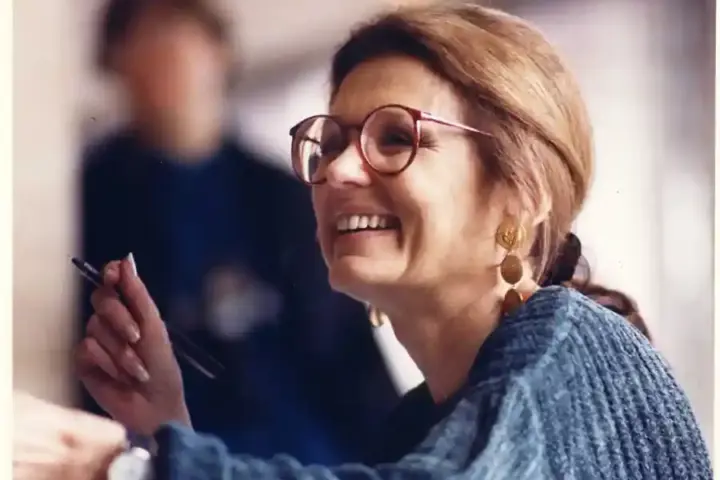
At this year’s Toronto International Film Festival, a new biopic explores the life of disability rights pioneer Judith Heumann. “Being Heumann,” directed by Siân Heder—known for writing and directing the film CODA—premiered on September 10, 2026, with Ruth Madeley, a disabled actress, in the lead role. The casting choice reflects a broader conversation about authentic representation in film: a disabled actor playing a disabled rights leader.
Heder spent more than six years bringing Heumann’s story to the screen, according to actor Dylan O’Brien, who praised the filmmaker’s commitment to the project. The film is based on Heumann’s memoir of the same name, tracing her journey as one of the most prominent disability rights activists of the late 20th century.
Heumann rose to prominence in the 1970s, a time when disability rights were barely on the national agenda. In 1977, she helped lead the Section 504 sit-in, a nationwide protest in which disabled people occupied federal buildings to demand the government enforce civil rights protections. The action became a turning point that led to regulations giving disabled Americans access to education, employment, and public services. Her work later extended to the U.S. State Department and the World Bank, where she advanced disability rights in international development.
One of Heumann’s most tangible legacies is curb cuts—the gentle slopes built into sidewalks at street corners. Most people use them without thinking: parents with strollers, travelers with luggage, elderly people with walkers. But they exist because disability activists fought for them. What were once called impractical and expensive are now a standard feature of accessible urban design. Curb cuts are a reminder that accessibility benefits everyone, not just disabled people.
The Guardian’s review noted that “Being Heumann” captures a “rebellious groove,” even if the film has its uneven moments. Madeley’s casting marks a quiet but important shift in how the entertainment industry approaches roles written for disabled characters. Rather than casting a non-disabled actor in a disabled role—a practice common in film and television—the production chose someone whose own experience of disability brings authenticity to the character.
The film arrives as mainstream media continues to grapple with disability representation. While more stories centered on disability are reaching audiences, questions about who tells those stories and who gets to play disabled characters remain live debates. Madeley, who has acted in television and film, brings her own perspective to Heumann’s determined character and legacy.
The story of Judith Heumann is the story of how one person’s refusal to accept the status quo changed the lives of millions. The sidewalk ramps, accessible schools, and employment protections that exist today reflect decades of organizing, protest, and persistence. “Being Heumann” tells that story as it continues to circulate through film festivals and toward wider release.