Karmactive Team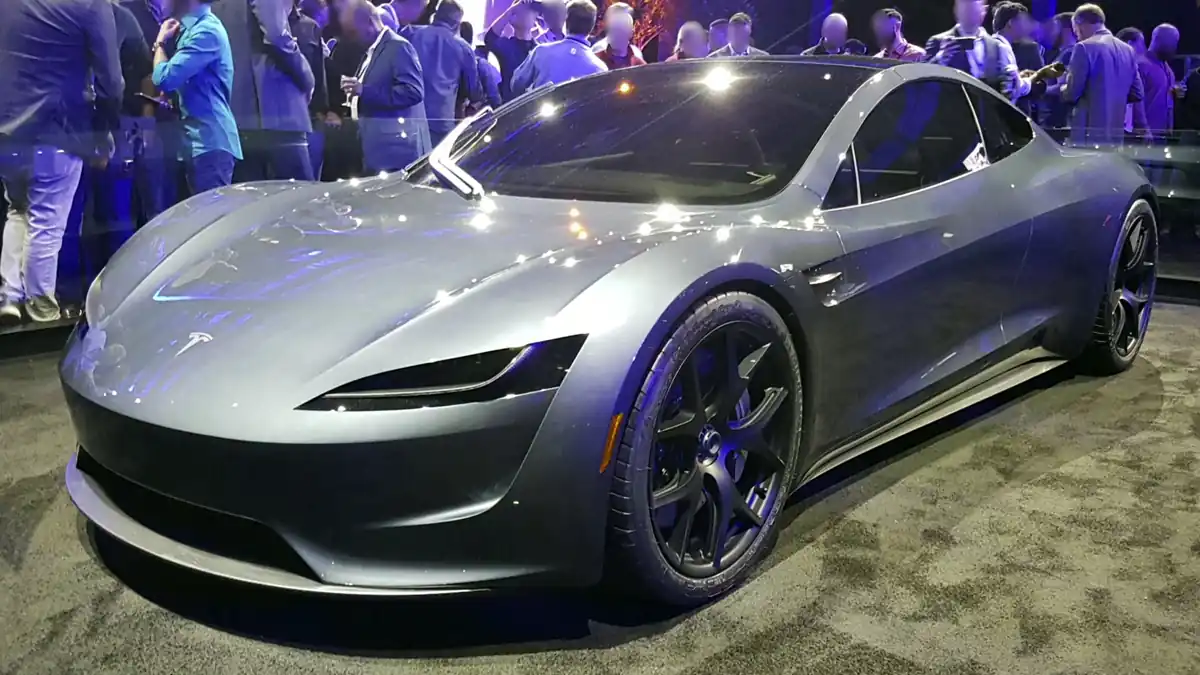
Tesla has scheduled an October 1 unveiling for its next-generation Roadster. That’s confirmed. Nearly everything else remains speculation.
The company first unveiled the second-generation Roadster in 2017. It promised a new era of performance—incredible acceleration, high range, and advanced features. Production was supposed to begin in 2020. It didn’t. Years of delays followed.
Now Tesla has put October 1, 2026, on the calendar. Elon Musk announced the date publicly. What Tesla will actually show, when customers might order, and when they might receive cars remains murky.
The important distinction is between “unveiling,” “launch,” and “production.” An unveiling is a presentation of the vehicle. A launch might mean customer orders begin. Production means cars are actually being made. These are not the same thing.
Reports have circulated about extraordinary features. Some of these might be real. Some might be speculative. Tesla hasn’t confirmed most of them.
What we know: Tesla will show the Roadster on October 1. That’s the confirmed fact. Everything beyond that is waiting for October 1.
The history matters. The second-generation Roadster was supposed to arrive in 2020. It didn’t. That history makes it reasonable to be skeptical about promises about production timing and specifications until Tesla formally commits. The Roadster program’s documented production delay is well established.
The market impact, if the vehicle proves special, could be significant. Roadster preorders have been open for years, so demand exists. But demand for an announced product is different from demand for something that actually ships. People preorder things that never arrive.
What happens on October 1 will be revealing. Tesla will show design details, confirm specifications, and hopefully announce production timing and pricing. Whether the vehicle arrives as promised will take months or years to determine.
The reasonable approach is to wait for October 1, evaluate what Tesla actually says versus what’s been speculated, and then assess whether the timeline is believable based on historical precedent. Until then, the most accurate statement is simply that the unveiling is scheduled and details are coming.