Sunita Somvanshi
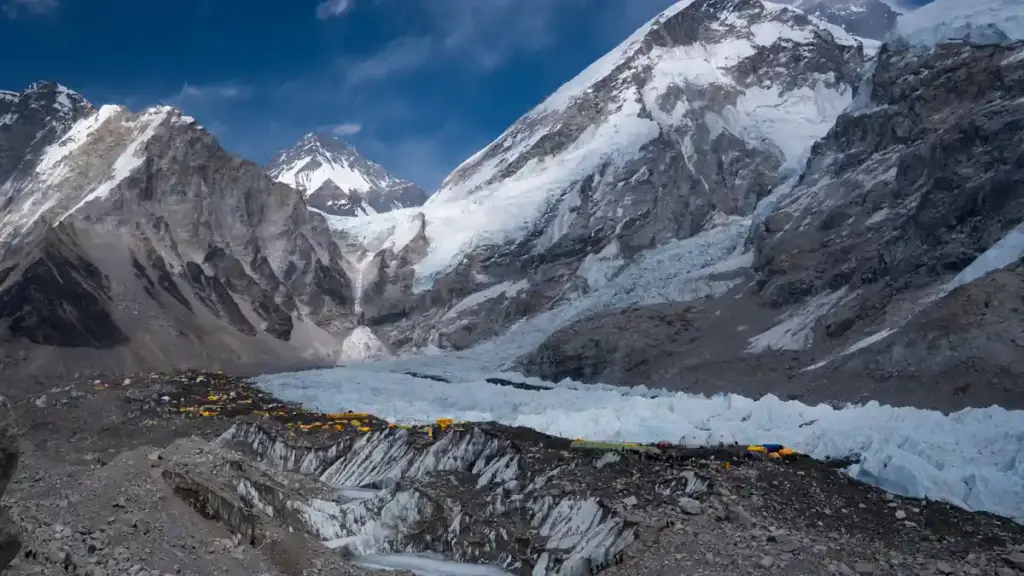
On August 26, a chain of mudslides tore through Gyirong Port — the main crossing point between Nepal and China’s Tibet region. The disaster struck after a glacier collapse in the high-altitude area near the Nepal side sent ice, rock, and debris rushing into the valley below. Communication lines went down. Roads collapsed. People who had been on a pilgrimage to Mount Kailash and Lake Mansarovar stopped making contact.
As of September 4, Chinese official records put the confirmed death toll at 31, with 531 people still listed as missing. Those numbers have shifted from earlier counts — initial reports gave 21 dead and 541 missing — because rescue teams needed time to verify who had been found, who had been identified, and who remained unaccounted for. Nearly 987 personal belongings have been recovered at the site, but connecting those items to specific individuals is a slow, painstaking process.
The rescue operation running at Gyirong is enormous. More than 2,300 personnel are working in the area, supported by over 400 vehicles and more than 8,000 pieces of specialist equipment. Rescue teams have run more than 800 drone missions and 24 helicopter flights. They have searched an area covering approximately 1.59 million square metres using a grid-by-grid approach. Access routes into the core area — the G216 road — have been largely restored, allowing heavier equipment and supplies to reach the worst-affected zones. Power has also been restored.
The scale of the operation reflects how difficult the terrain is. Rescue officials have identified 58 locations along the rescue route where further geological hazards remain a danger. The risk of secondary landslides and rockfall has not passed. That means the teams working in the area are doing so knowing the ground around them may still move.
For families waiting for news, the situation has entered a second, painful stage. Nepal Police has issued a formal request for blood samples from close relatives of missing Nepali and foreign nationals. The reason is straightforward but difficult: some remains cannot be identified visually. DNA testing is the only way to make a confirmed match. First-degree relatives — parents, children, siblings — are the preferred donors. For families living abroad, the police say it is possible to arrange DNA profiling locally and send the results and required documents to Nepal Police rather than travelling in person.
That process matters because the missing include pilgrims from several countries. Gyirong Port was a key entry point for those completing the Kailash Mansarovar circuit — one of the most significant pilgrimage routes in Hinduism, Buddhism, and Jainism. Foreign pilgrims who were in transit when the disaster struck now appear on the missing persons lists of multiple countries.
The humanitarian task — matching recovered remains to names, sending answers to families — is running alongside a physical rescue operation that may continue for weeks.
—