Karmactive Team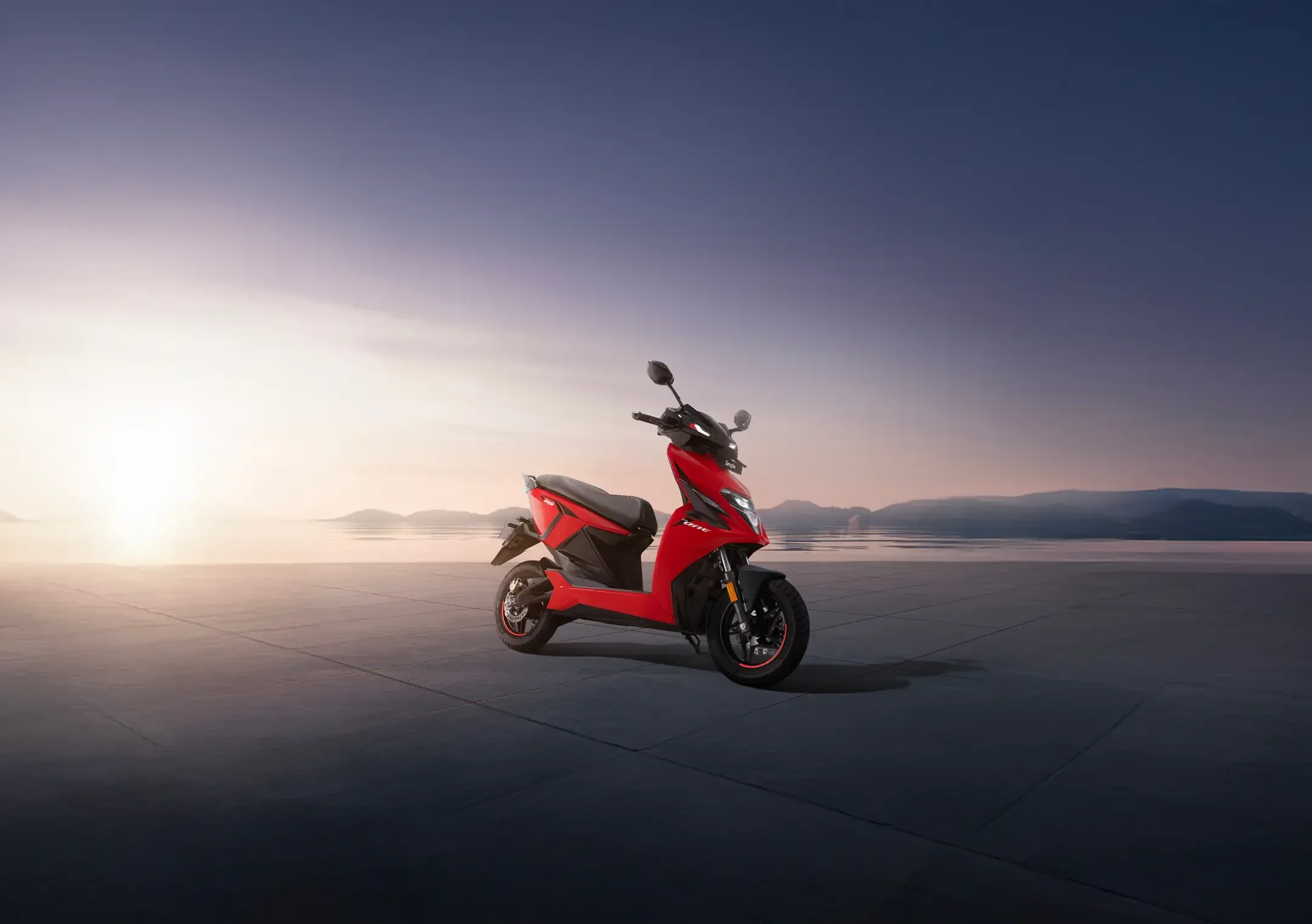
The Simple Energy Wave has arrived, and the headline number—₹1,09,999 (introductory ex-showroom pricing)—captures only part of what the scooter is trying to be. The real story is simpler: this is an electric two-wheeler designed for families that need to carry things.
The Wave lineup has three named variants—Wave S, Wave and Wave+—spread across six model configurations, each with a different battery and range. The Wave S offers either 110 km or 132 km of claimed range from 2.2 kWh or 2.7 kWh packs respectively. The base Wave stretches to 171 km on a 3.7 kWh battery. The Wave+, the top variant, claims 243 km from a 5 kWh pack. These are IDC (Indian Driving Cycle) figures—the standardized regulatory test standard set by India’s automotive testing authorities—which typically differ from real-world range in everyday riding.
Speed tops out at 70 km/h for the entry Wave S (2.2 kWh), 75 km/h for the Wave S (2.7 kWh), and 90 km/h for the Wave and Wave+.
Simple Energy advertises up to 70 litres of combined storage for the Wave lineup. The seat height is 775 mm. The flat floorboard design reinforces that family-focused positioning.
Charging remains a practical constraint. On a standard 15-amp home socket, the largest battery pack needs more than 8 hours to charge fully. The company plans a proprietary fast-charging network, but details on network rollout and charging speeds remain unclear.
GripSense traction control—a feature designed to prevent wheel slippage in wet or slippery conditions—is available on the Wave and Wave+ variants. The entry Wave S variants use a standard Combined Braking System without traction control.
The battery chemistry is not specified in the product information reviewed. Buyers should clarify this with dealerships, as it affects longevity expectations and degradation patterns.
The pricing structure needs verification. The ₹1,09,999 figure is the introductory ex-showroom price. Buyers in eligible states and categories may qualify for central or state incentives under the PM E-DRIVE framework. Check your local subsidy eligibility before calculating the final number.
The Wave’s storage and accessibility focus suggest Simple Energy learned something from its prior vehicle, the Simple One. That scooter faced significant delivery delays and backlog issues.
For a family evaluating electric scooters, range often dominates the conversation. The Wave’s variants offer genuine choice across different daily-commute needs. But the practical question—where do helmets, children’s bags, and groceries actually go—may matter more than the gap between 132 km and 243 km of range. The Wave appears to take that question seriously.