 Sonali Tiwary
Flash floods and debris flows swept through Nepal’s Rasuwa and Nuwakot districts along the Tibet border on August 26, destroying roads, damaging power infrastructure, and leaving hundreds of people unaccounted for. Search and rescue operations continue as authorities assess the scale of damage across the transboundary river system.
**Latest Update: 26 August 2026, evening**
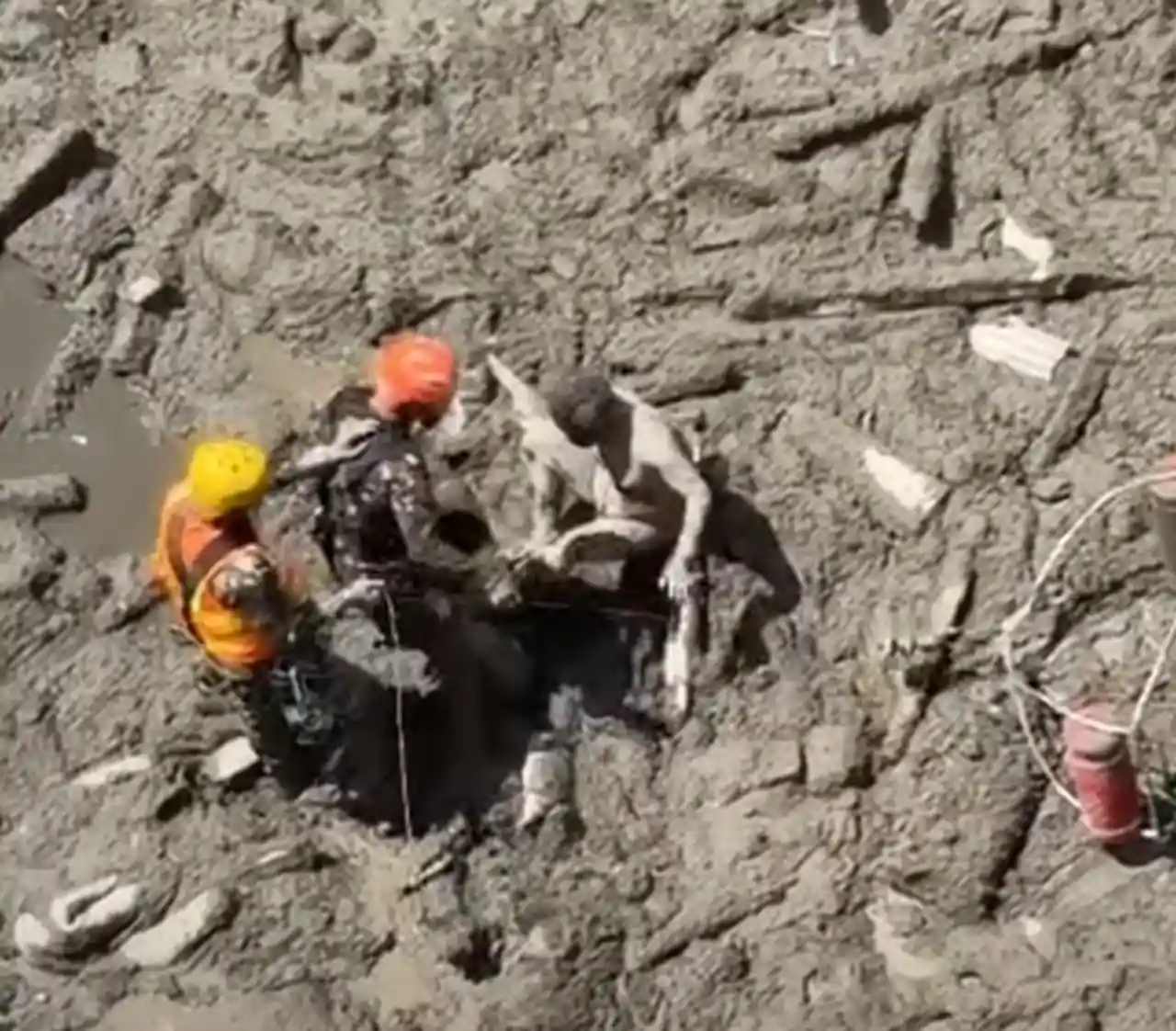
The flooding struck the Bhote Koshi and Trishuli river valleys. These rivers originate in the high-altitude Tibetan plateau and flow southward through Nepal’s most mountainous terrain before eventually joining the Gandak River basin. When intense monsoonal rainfall combines with steep Himalayan geography, water moves with devastating speed.
The situation remains fluid as rescue operations are still active. Radio Nepal, citing the Nepal Tourism Board, reported 384 tourists out of contact, including 291 foreign nationals and 93 Nepali tourists. This preliminary list was being verified by authorities as communications with isolated areas improved and search teams confirmed individuals’ whereabouts.
The infrastructure damage tells its own story. The Department of Roads reported that a 42-kilometer highway connecting Betrawati and the Rasuwagadhi border crossing was destroyed, with several concrete bridges completely washed away. This wasn’t simply disruption to local traffic. This route links Betrawati with the Rasuwagadhi border crossing with China and is an important trade artery. Its destruction cuts off entire communities from essential services and external support.
Power infrastructure took severe damage. The Nepal Electricity Authority reported damage to the Rasuwagadhi and Chilime hydropower plants, the Trishuli-3A plant, and the 220 kV Trishuli-3B substation. Power supply disruptions have complicated coordination efforts for rescue teams.
What triggered the disaster remains under investigation. Experts are considering multiple possibilities: avalanche, glacial lake outburst, failure of a natural debris dam, or an event originating from the Tibetan plateau. Without field assessment from geologists, stating the cause definitively would be premature. What is clear is that the geographic and climatic conditions—steep terrain combined with monsoon intensity—created conditions for rapid water flow.
Nepal’s government has ordered immediate response measures: rescue teams from the Nepal Army, Nepal Police, and Armed Police Force are deployed; free medical treatment has been authorized for injured people; road restoration is underway; and financial assistance to affected families is being processed.
The upstream-downstream dimension of this disaster is crucial to understanding response priorities. Events on the Tibetan plateau directly affect Nepal’s river valleys. Coordination between Chinese and Nepali authorities regarding conditions upstream is essential for protecting communities further downstream who remain at risk while floodwaters recede.