 Rahul Somvanshi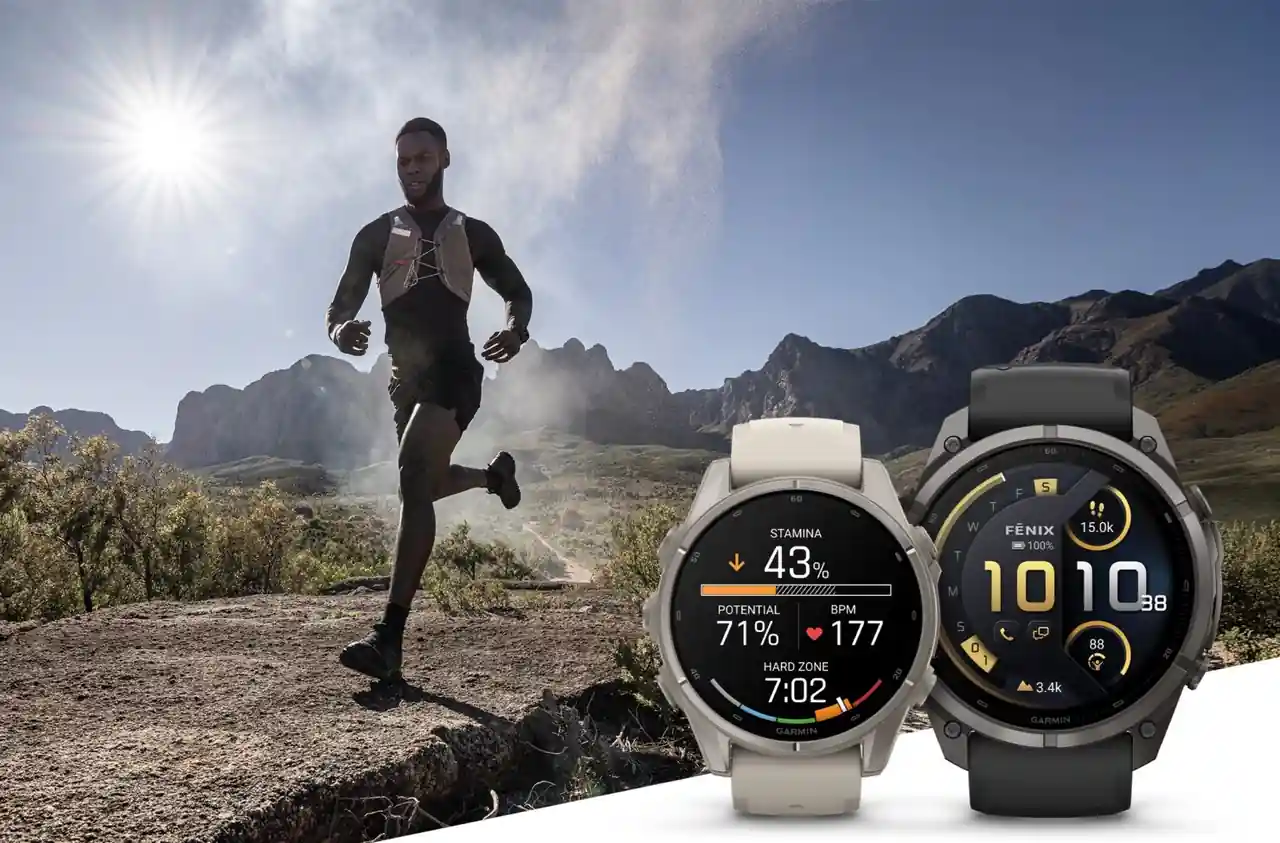
On August 25, 2026, Garmin unveiled the Fēnix 9 smartwatch series, marking the company’s most significant hardware refresh in three years. The announcement includes three product tiers—standard Fēnix 9, Fēnix 9 Pro with AMOLED display, and Fēnix 9 Pro inReach with satellite connectivity—each available in 43mm, 47mm, and 51mm sizes.
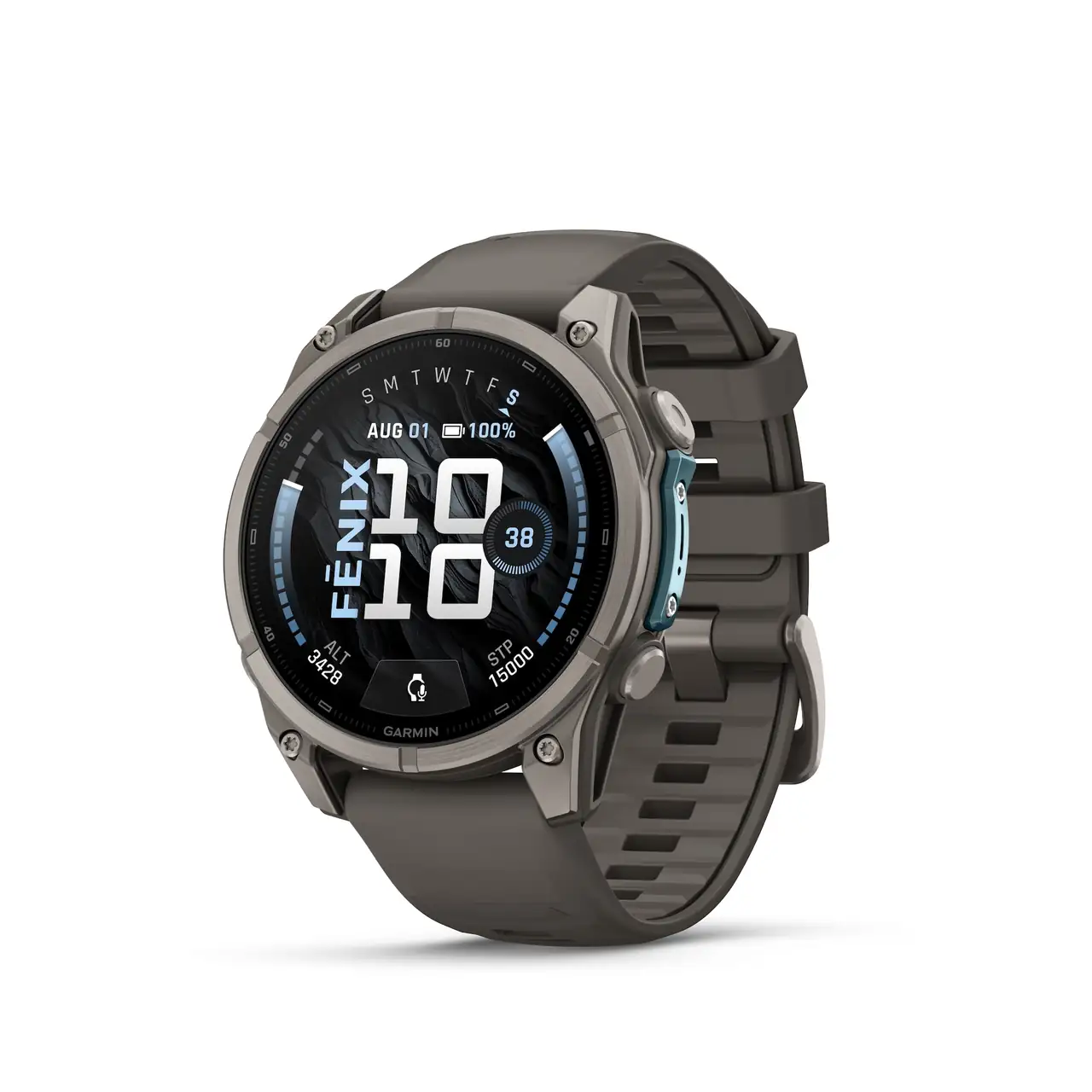
The technical upgrades emphasize performance. System RAM increased 50%, map rendering speed improved 30%, and all models include 64 GB storage—substantially more than previous generations. These improvements directly benefit outdoor athletes who rely on detailed topographic maps and extended activity tracking during multi-day expeditions.
Battery life varies by display technology. Standard Fēnix 9 models (51mm) reach 29 days of continuous operation. The AMOLED Fēnix 9 Pro achieves up to 31 days on a single charge, while solar-equipped models extend battery life to up to 57 days with regular sunlight exposure (assuming three hours daily wear at 50,000 lux outdoor brightness).
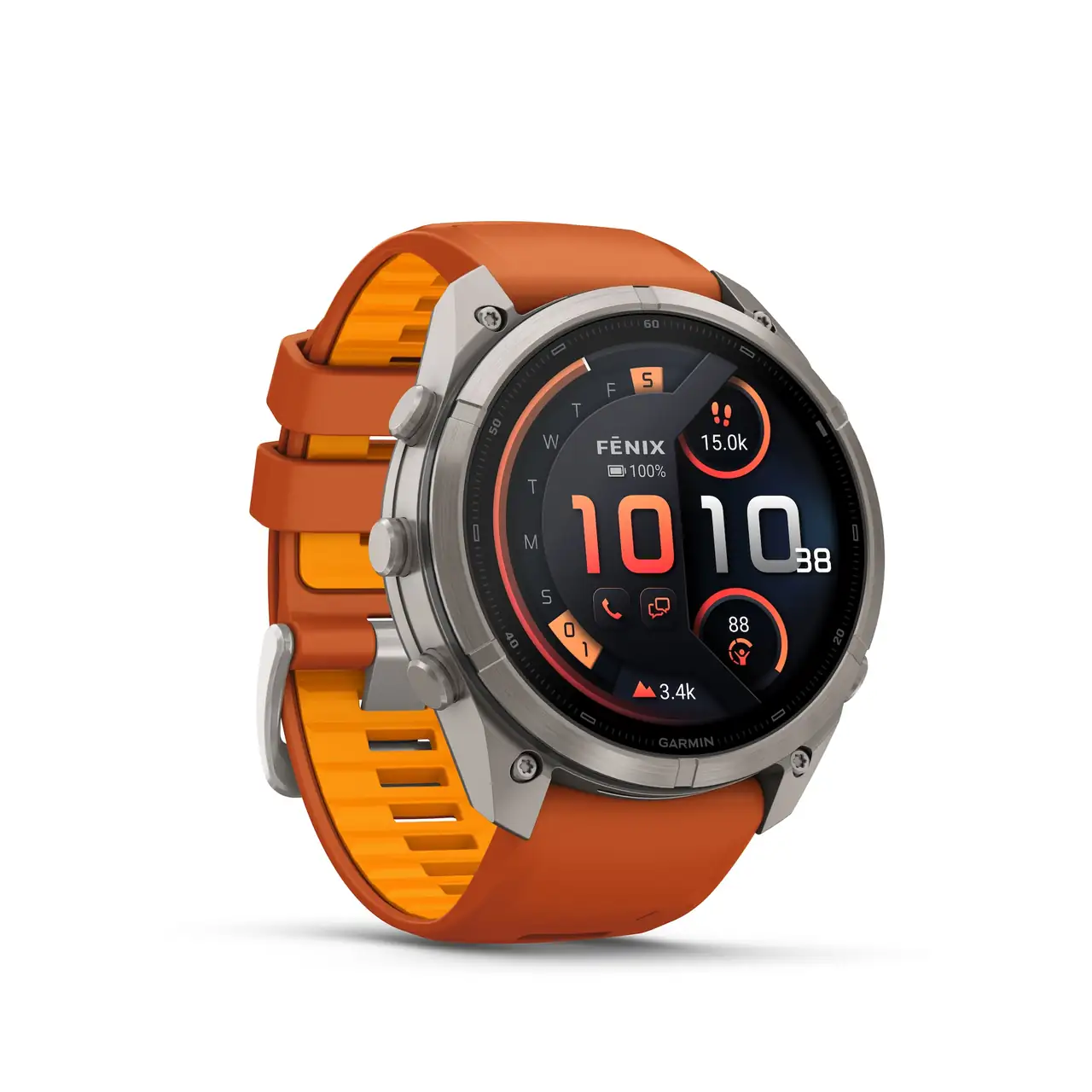
New features include Garmin Epic, an automated activity narrative tool that generates post-activity summaries directly in the Garmin Connect app. Real-Time Stamina provides runners and cyclists with customizable energy expenditure zones, helping athletes optimize pacing and recovery.
Health tracking hardware retains the proven Elevate Gen 5 optical sensor, which supports electrocardiogram (ECG) functionality and skin temperature baseline monitoring. Biometric data synchronizes automatically with Garmin Connect when the watch connects to paired smartphones.
The Fēnix 9 Pro inReach adds satellite messaging and SOS capabilities through Iridium network connectivity. Active inReach subscriptions enable messaging and emergency signaling without relying on cellular coverage. In the Philippines, the Fēnix 9 Pro inReach launched at PHP 72,690, with availability beginning September 16, 2026.
Professional athletes and serious outdoor enthusiasts treat the Fēnix 9 series as essential expedition equipment rather than leisure devices. The expanded battery life, local map storage, and satellite connectivity serve real needs for extended wilderness activities where cellular coverage doesn’t exist.