Sunita Somvanshi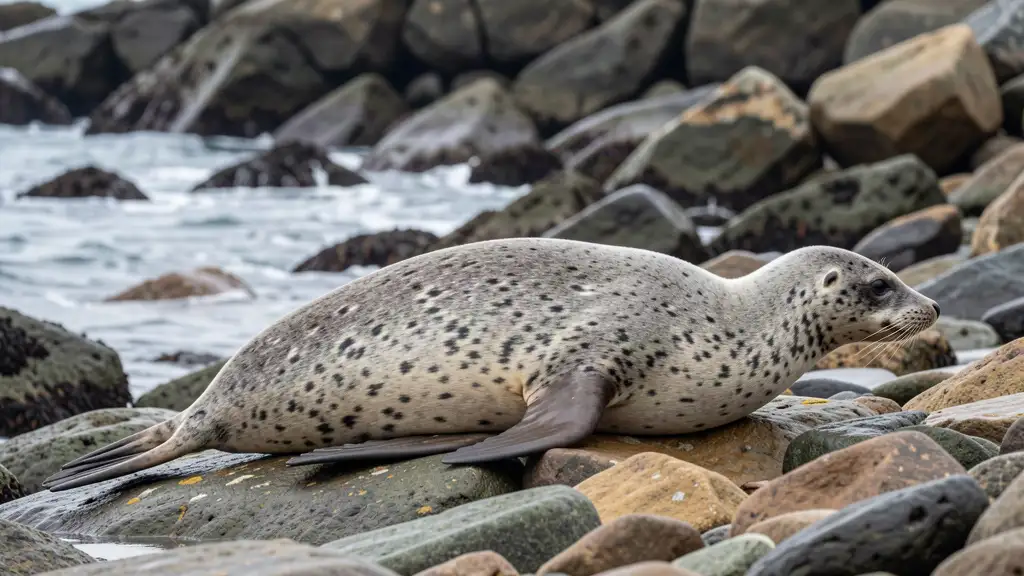
Australia has recorded its first known case of H5N1 bird flu in a native mammal, after a fur seal was found dead on the mainland. Authorities confirmed the result this week, marking the first time the highly pathogenic virus has been detected in a land mammal in the country.
Until now, H5N1 in Australia had been found only in birds. The death of a marine mammal on the mainland is being treated as a spillover event — the virus jumping from birds to a mammal — rather than evidence of established mammalian transmission.
State and federal biosecurity agencies are assessing the implications. The Department of Agriculture, Fisheries and Forestry has encouraged people to report unusual bird or animal deaths. Health authorities have repeated that the risk to the general public remains low, because human infection with H5N1 is rare and usually requires close contact with infected animals.
The detection fits a wider global pattern. The H5N1 strain that emerged in 2020 has spread across birds on every continent and has infected many mammal species, including seals in South America in 2023 and dairy cattle in the United States in 2024. Each mammalian case is watched closely because it gives the virus more opportunity to adapt to mammals, though no sustained mammal-to-mammal spread in people has been seen.
For wildlife, the concern is different. Seal colonies and other social animals can be hit hard when the virus enters a group. Australia’s relative isolation had delayed the arrival of this strain, but its detection in a mainland mammal means surveillance will increase around coastal and wetland areas where birds and mammals mix. The country has already trialled vaccinating little penguins against H5N1 as a precaution.
Authorities say there is no change to food-safety advice, and properly cooked poultry and eggs remain safe to eat. The main message to the public is reporting, not alarm: dead or distressed wild animals should not be handled, and sightings can be passed to state wildlife or biosecurity services. As reported by the ABC, the case is a reminder that the same virus circulating overseas has now reached Australian mammals.
Monitoring, reporting and basic hygiene around wild animals are the practical steps while agencies gather more information.