 Tejal Somvanshi
It’s been called the worst bluetongue outbreak the UK has ever seen. Now the virus has reached Scotland, and the peak has not even arrived yet.
Bluetongue is an insect-borne viral disease affecting sheep, cattle and other livestock. It is potentially fatal. The country now has 473 confirmed cases of bluetongue virus. England accounts for 454 of those, Wales has 15, Scotland has 4, and Northern Ireland has none. But those figures only tell part of the story — 2,214 premises with potential cases under investigation.
In Dumfries and Galloway, a cow has tested positive for the first time in Scotland. It is the fourth farm to be affected in the Creetown area. Bluetongue was confirmed in a lamb and three sheep on three farms last week.
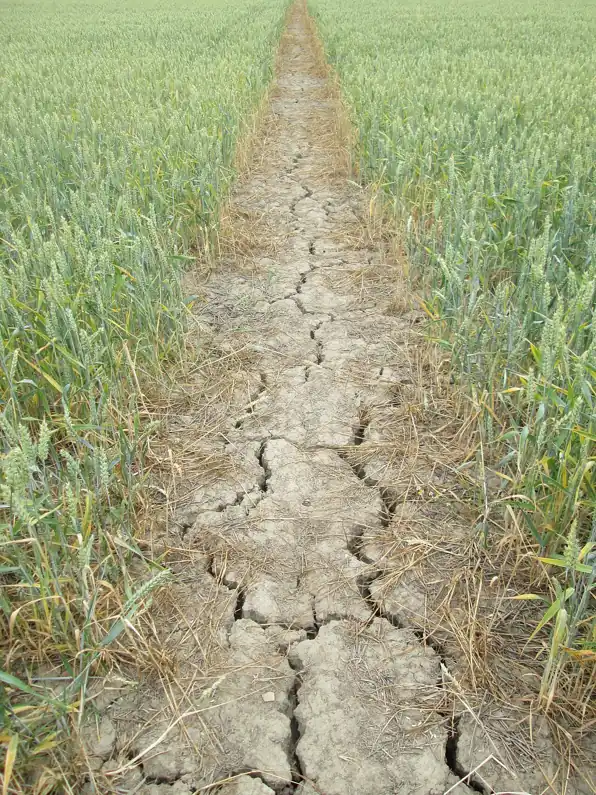
Christine Middlemiss, the UK’s chief veterinary officer, did not mince her words. It is “absolutely the worst” outbreak the UK has seen, she said, exacerbated by the ongoing hot and dry weather.
In Somerset, there are currently 45 cases of the virus. Farmers in Exmoor, Somerset, said they had lost livestock to the disease, which was having a personal effect on families.
Middlemiss said it was “very concerning” that the peak of the virus had not yet come. “We’re actively working on ramping up testing as appropriate and what measures of support might be appropriate,” she said.
Midges which spread bluetongue became active again on 31 March this year. The hot and dry summer has extended their breeding season and increased their range.
The Scottish government does not intend to introduce a disease control zone at this point “as it currently considers prevalence to be low.” Should one be introduced, no susceptible animals or carcasses would be permitted to move to or from any premises within the zone, except under licence.