 Sunita Somvanshi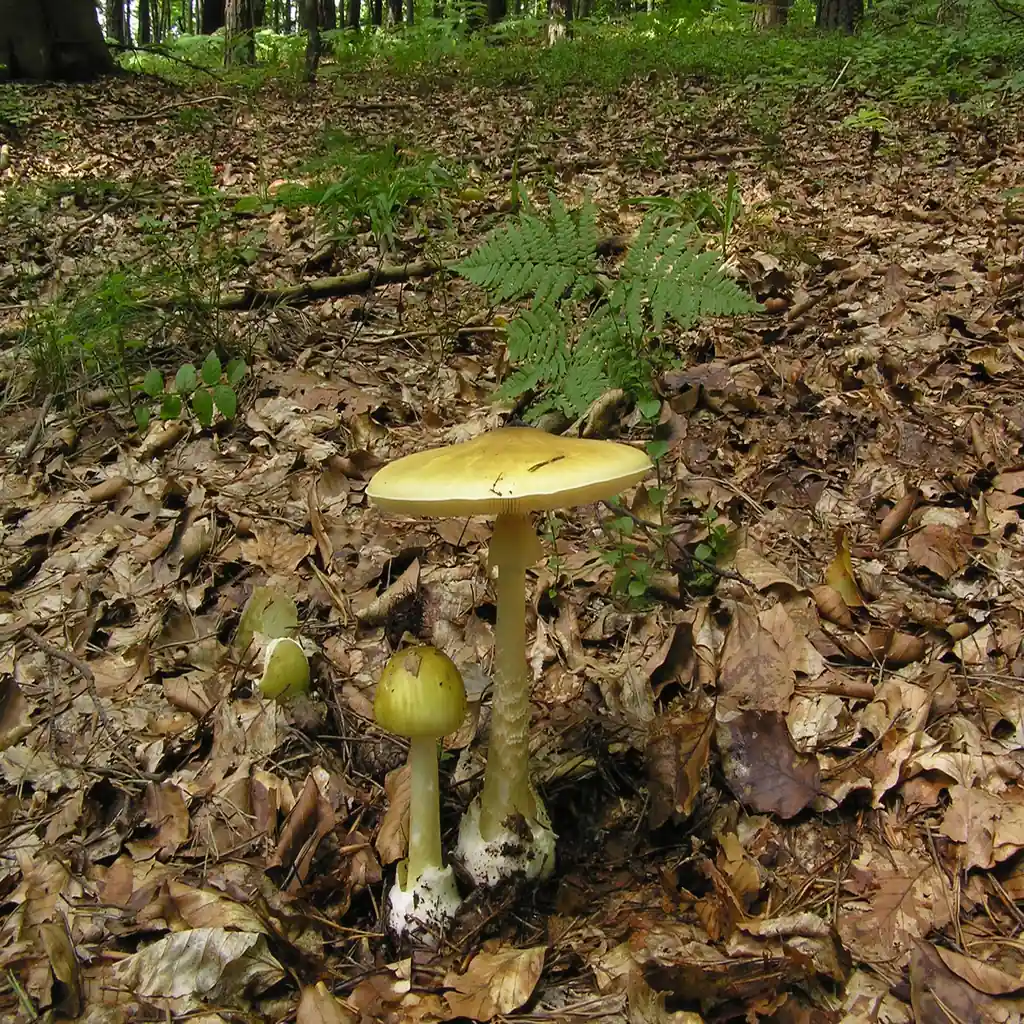
On a quiet evening in the Australian countryside, what should have been a family dinner became a tragedy. Erin Patterson, a 51-year-old woman, served beef Wellington to her relatives at her Leongatha, Victoria home. But woven into that meal were death cap mushrooms—Amanita phalloides—one of nature’s most lethal organisms. Within days, three family members were dead. Now, nearly a year after her conviction, Patterson’s appeal has set prosecutors on edge, triggering a rare dual legal battle where both the defense and Crown seek to overturn aspects of the September 2025 judgment.
The victims were Don and Gail Patterson, both 70, and Gail’s sister Heather Wilkinson, 66. Ian Wilkinson, Heather’s husband, survived—but his recovery stands as a medical miracle. Death caps are ruthlessly efficient killers. The mushroom contains alpha-amanitin, with toxin concentrations of 0.6 to 0.9 milligrams per gram. A median lethal dose for humans is just 0.1 milligrams per kilogram of body weight. Symptoms emerge insidiously, typically between 6 and 24 hours after consumption, with victims experiencing nausea, vomiting, and abdominal pain before organ failure sets in.
Ian Wilkinson’s survival after four weeks hospitalized defied odds. Only about 20 percent of severe Amanita phalloides cases survive without an emergency liver transplant—a procedure that remains one of medicine’s most invasive and uncertain interventions. His recovery transformed him into a crucial witness, though the trauma of watching his wife and in-laws slip away in agony remained visible in courtroom testimony.
“Patterson’s conviction” was secured through forensic identification of the mushrooms by the Victorian Institute of Forensic Medicine using PCR testing. Yet her defense team now argues the trial was unfair, raising questions about evidence handling and jury conduct. These are not frivolous claims in the context of Australian criminal law. The Victoria Supreme Court has overturned convictions on safety grounds at a rate of 12 percent between 2019 and 2025—suggesting that while most convictions survive appeal, a meaningful proportion contain errors significant enough to warrant acquittal or retrial.
What makes this case extraordinary is the Crown’s simultaneous appeal against Patterson’s 33-year parole eligibility. Prosecutors argue it is “manifestly inadequate,” suggesting they believe even a life sentence with the possibility of eventual release does not reflect the severity of the crime. This dual appeal—defense seeking to overturn conviction, prosecution arguing for harsher conditions—is rare and signals deep disagreement about whether justice has been served.
The personal context adds another layer. An estranged husband, Simon, cancelled a lunch appointment with Patterson before the fatal dinner, reportedly believing she had previously attempted to poison him. This history strengthens the prosecution’s case that Patterson acted with premeditation and intent, though her defense may argue it amounts to inadmissible prejudicial evidence.
Beyond the courtroom drama lies a sobering reality about wild mushroom foraging in Australia. Approximately 12 cases of wild mushroom poisoning occur annually nationwide, with mortality rates between 3 and 5 percent overall—but far higher for Amanita species. Most foragers lack expertise to distinguish death caps from edible varieties, a distinction that can mean the difference between a meal and a funeral.
As Patterson’s appeals proceed through the courts, the case serves as a stark reminder of the dangers lurking in nature and the complexity of determining guilt and appropriate punishment. Whether the legal system ultimately affirms or overturns the conviction, three lives were lost to a meal that should never have been served.