Karmactive Team
 Karmactive Staff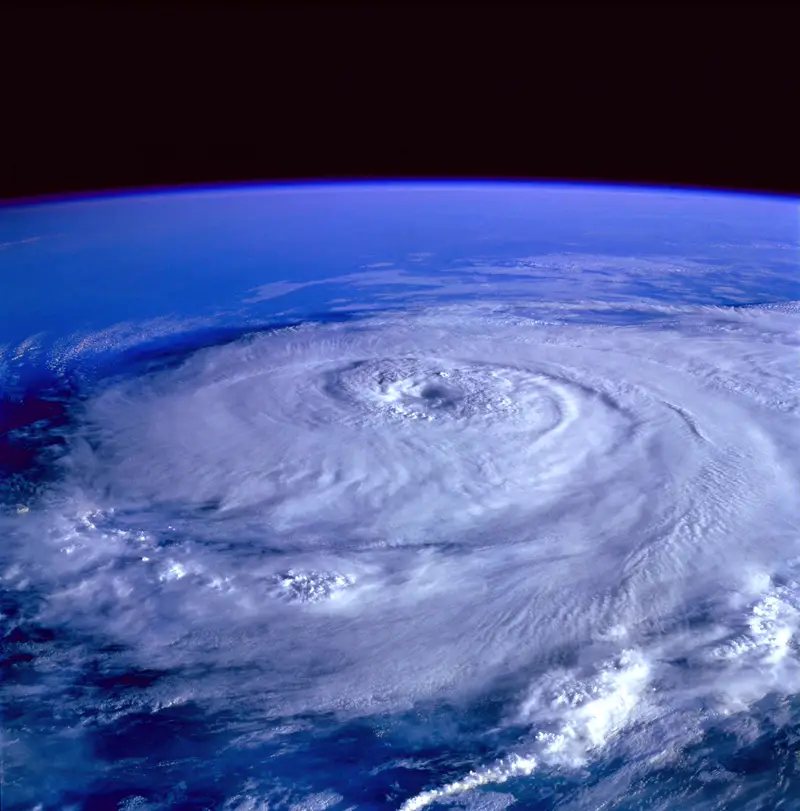
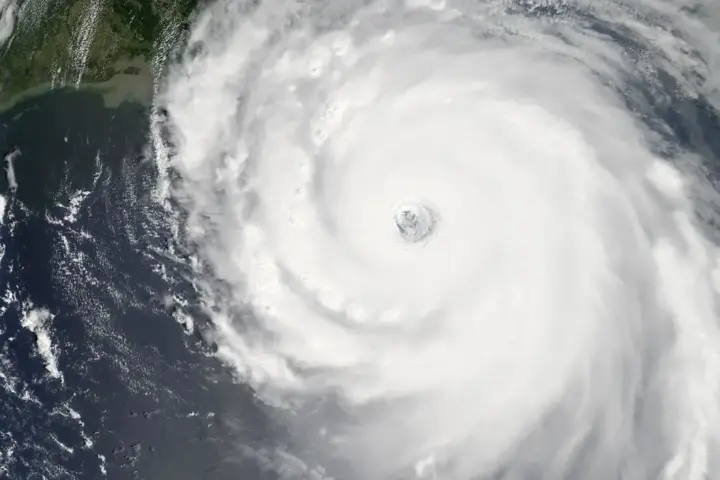
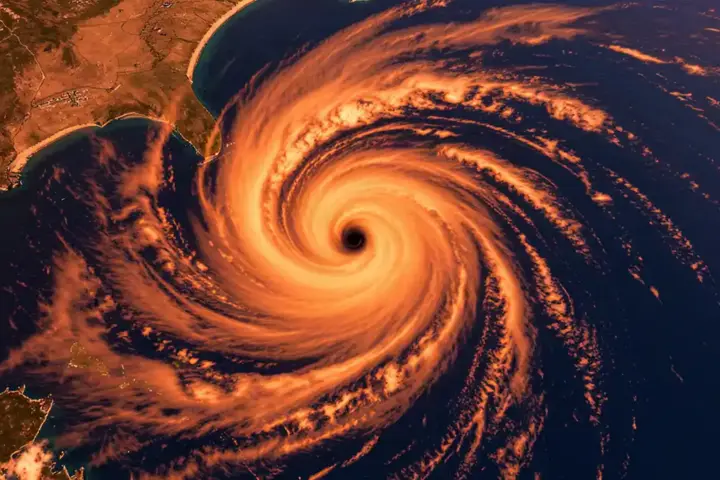
For the first time since Hurricane Iniki battered Kauai in 1992, Hawaii faces a direct hurricane strike. Hurricane Lala made landfall on the Big Island early Saturday as a Category 1 hurricane, marking the first direct hurricane hit to the islands in 34 years.
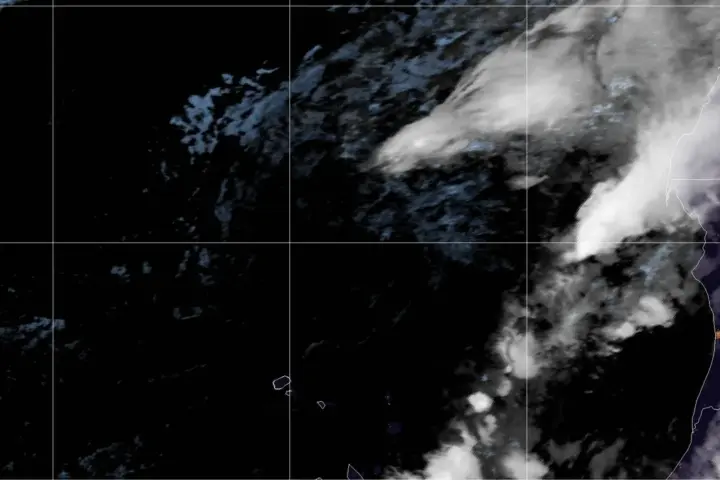
According to the National Hurricane Center (NHC), Advisory 16 issued at 11 p.m. HST Saturday, Lala was positioned 65 miles west of Kailua-Kona with maximum sustained winds of 75 mph. Though Category 1 — the lowest hurricane classification — these winds still carry devastating force equivalent to an EF1 tornado. The storm’s hurricane-force winds extend up to 35 miles from its center, while tropical-storm-force winds reach 175 miles out, affecting all major islands.
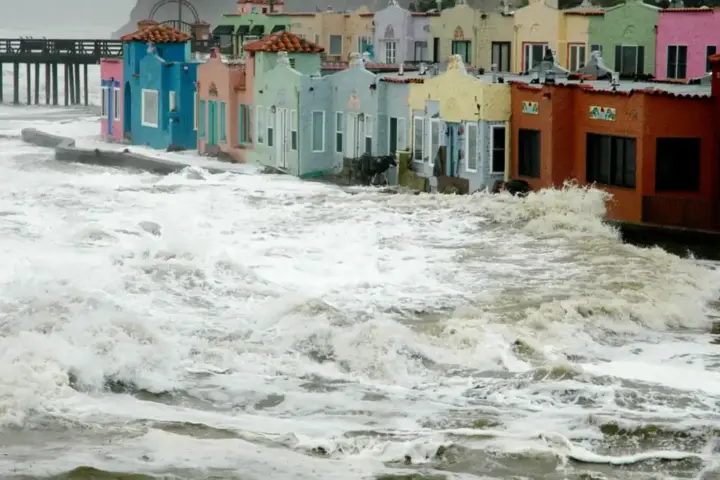
The Big Island faces the brunt. A hurricane warning remains in effect for Hawaii County, while Maui, Oahu, and Kauai are under tropical storm warnings. NWS Honolulu forecasters warn of 4 to 8 inches of rainfall across the Big Island, with some windward areas expected to receive 30 to 35 inches. Storm surge could push water 1 to 3 feet above normal tide levels. Lala is tracking northwest at 15 mph, moving through terrain where higher elevations will experience the strongest winds.
The island hasn’t faced this kind of threat since Hurricane Iniki struck on September 13, 1992. That Category 4 storm devastated Kauai, killed 39 people directly and 37 others indirectly, and caused $1.8 billion in damage — a catastrophe that shaped Hawaii’s modern building codes and emergency preparedness protocols.
Yet Hawaii has also weathered major Pacific storms. Hurricane Lane in 2018 peaked at Category 5 strength but remained offshore, setting a U.S. record with 155 inches of rain over five days on Mauna Kea — the most rainfall from a tropical cyclone on record. This time, Lala is expected to weaken to tropical-storm strength after passing the Big Island, then potentially restrengthen next week as it moves into cooler waters.
Residents are urged to secure loose items, top off fuel tanks, charge devices, and stock food and water. Those in flood-prone areas should be prepared to evacuate on short notice. Emergency protocols have been activated across the island chain, with utility crews on standby for power restoration.
The NHC’s forecast discussion emphasizes that damaging conditions will be most severe in higher terrain, where wind speeds can be 30 percent stronger than near-surface readings. Power outages are likely. Roads may wash out.
Lala will weaken to a tropical storm after passing the Big Island, but the immediate threat remains acute. Hawaii’s infrastructure has been rebuilt with stricter codes since Iniki, yet the Pacific’s capacity for powerful storms remains a constant reminder that vigilance cannot be relaxed.