 Rahul Somvanshi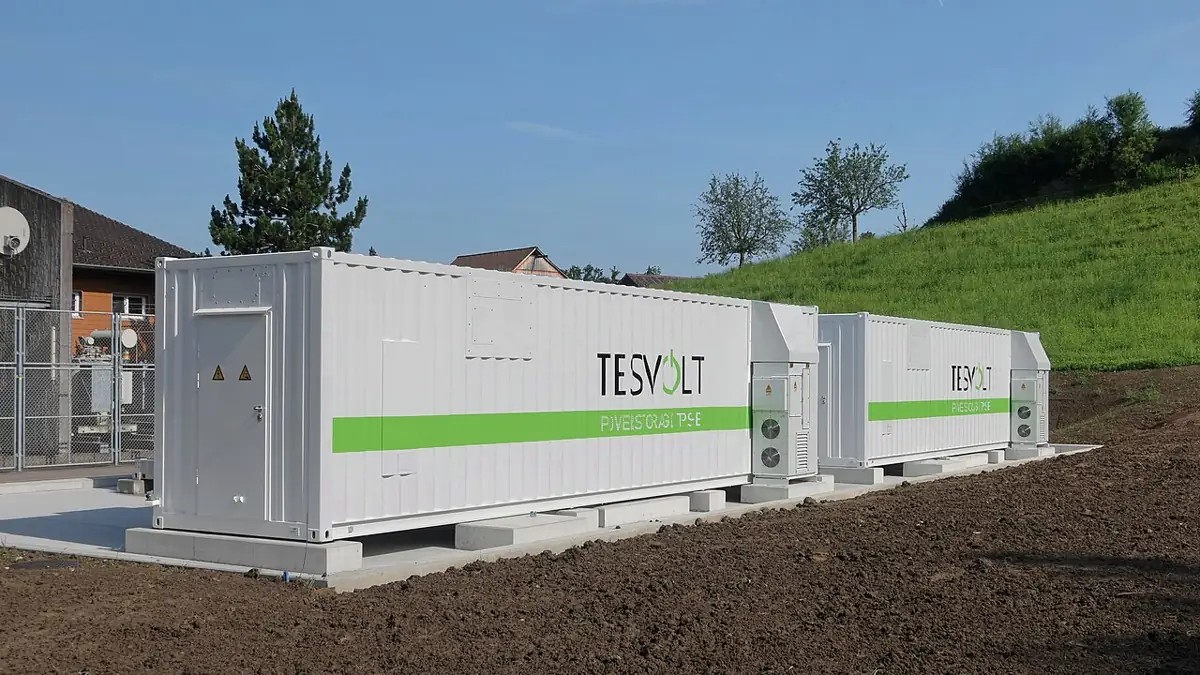
Renewable energy supplied 43% of Australia’s electricity in 2025, up from 39% the year before. The rise came from a record year for batteries and continued growth in wind and solar. At the same time, spending on new large renewable energy projects dropped to its lowest level in ten years, a gap that raises questions about whether the pace can hold. This follows similar trends seen globally as renewables overtook coal in global electricity generation.
Home battery sales jumped 260% over the year. Large-scale battery capacity, the kind built to store power for the whole grid rather than a single house, grew 233%. Australia is now the third-largest market in the world for these grid-scale batteries, behind only the United States and China. This echoes the UK’s renewable energy record and the 100 MWh battery storage project in Victoria.
A battery works like a savings account for electricity. Solar panels and wind turbines produce power only when the sun shines or the wind blows. Batteries store the excess so it can be used later, at night or on still days. This process, called firming, keeps supply steady even when the weather changes. It matters more each year because coal plants, which used to provide that steady backup, are breaking down more often. Over the past summer, coal stations in Australia suffered 90 unplanned outages, leaving a quarter of the country’s coal generating capacity offline on average at any given time.
The federal government’s $7.2 billion Cheaper Home Batteries Program is a major driver of the battery boom. It cuts the installed cost of a home battery by 30% and aims to get one million new batteries into Australian homes by 2030. From October 2026, support for solar installations will also expand to cover commercial systems up to one megawatt in size. A megawatt is a unit of power large enough to run roughly 200 average homes at once, so a one-megawatt system is aimed at businesses, not households.
Despite this household and small-business growth, big renewable energy projects are struggling to get built. Only 2.3 gigawatts of new renewable capacity reached financial close in 2025, the point where funding is locked in and construction can begin. A gigawatt equals 1,000 megawatts. This figure is the lowest annual total in a decade, even as demand for clean power grows. New solar cell efficiency records are being set, but grid-scale project approvals remain slow — a contrast to the ambitious 3 GW offshore wind roadmap in Oregon.
To manage the gap while coal plants age and fail, the government has also approved plans for 14 gigawatts of gas-fired power and 33 gigawatts of storage to help balance the grid. Grid stability means keeping the flow of electricity steady so it matches what people are using at every moment. New South Wales has set its own target of 16 gigawatt-hours of storage capacity by 2030, a measure of how much energy can be held in reserve, not just how fast it can be delivered.
One result of the changes is already visible in prices. Wholesale electricity prices averaged $74 per megawatt-hour in the second quarter of 2026. That is a six-year low and 47% below the same period last year. A government-backed report from the CSIRO, Australia’s national science agency, found renewables remain the cheapest form of new electricity generation, even with storage costs included.
Prime Minister Anthony Albanese has also announced that data centres, which use large amounts of electricity to run computing equipment, will be required to feed as much renewable energy into the grid as they draw from it. The government separately confirmed a support package to secure the future of the Tomago aluminium smelter in New South Wales as it shifts to cleaner power sources.
The Labor government’s legislated targets remain a 43% cut in emissions by 2030 and net zero emissions by 2050. Meeting them will depend on whether large-scale renewable investment recovers from its current slowdown.