 Sonali Tiwary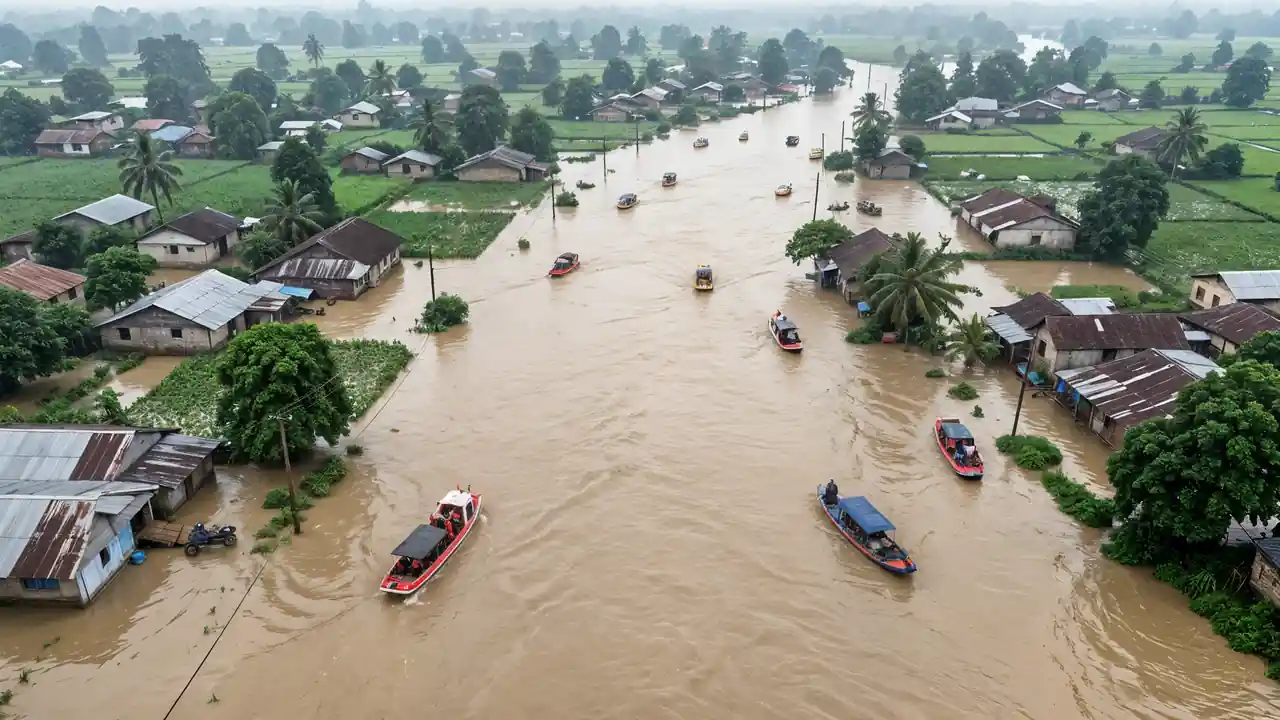
Monsoon floods and landslides have killed more than 100 people across India since July 2026. Assam has suffered the most damage.
The flood death toll in Assam reached 100 as of August 10. Floodwaters have affected 137,590 people across 10 districts and 456 villages in the state. This surge follows Assam’s earlier flooding in July 2026, when 61 deaths were recorded and 700,000 people were affected.
Sivasagar district is the worst hit. It has recorded 47 deaths. Floods have affected 39,495 people there and damaged 516 houses. In Golaghat district, 68,239 people are affected. Floodwaters have submerged 2,006 hectares of cropland. Jorhat district has 16,259 affected people.
Across Assam, floods have submerged 11,933 hectares of crops. Three major rivers are flowing above the danger mark. These are the Dhansiri (South), the Kushiyara, and the Brahmaputra. The Brahmaputra’s flood management initiatives have been tested severely this season.
Authorities have set up 125 relief camps and distribution centers in Assam. About 8,000 people are currently staying in these camps. Rescue and aid workers have deployed 59 medical teams and 10 boats to reach flood-hit areas.
Assam Chief Minister Himanta Biswa Sarma said rainfall in some areas was 436% above normal levels. He announced compensation of Rs 4 lakh for each family that lost a member in the floods.
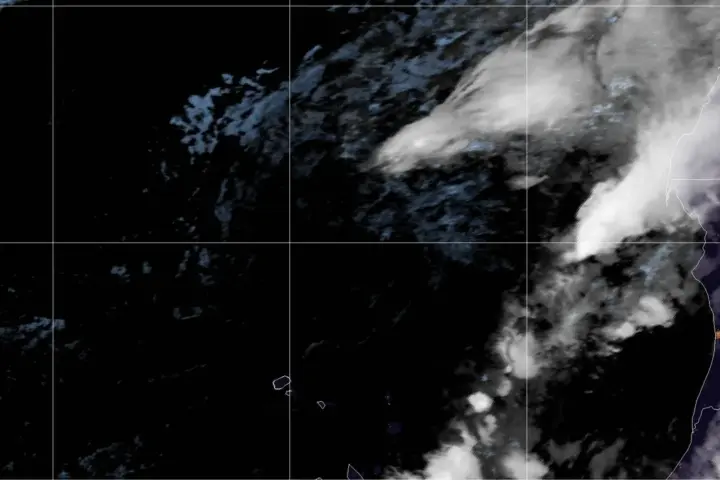
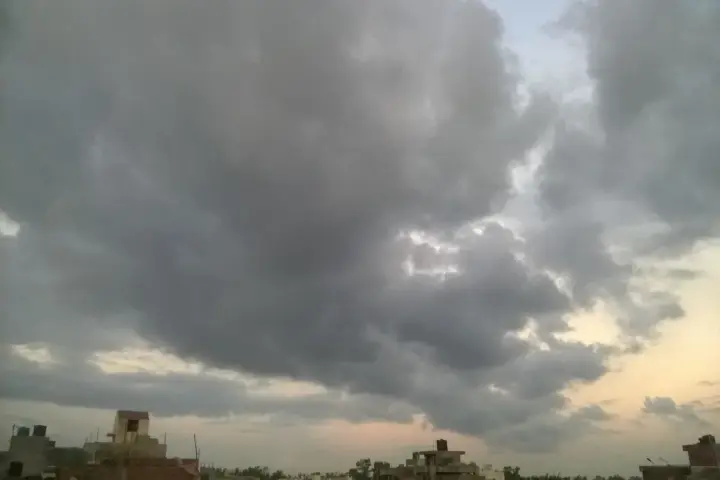
The India Meteorological Department, known as IMD, is the government agency that tracks weather and issues rain warnings. Satellite tracking of monsoon rain clouds has become crucial for early warnings. It has issued yellow alerts for Assam and other affected states. A yellow alert means people should stay updated and watch for heavy rain, but it is not the most severe warning level. It sits below orange and red alerts, which call for more urgent action.
Other states have also reported deaths this monsoon season. In Nagaland, landslides have killed 13 people. In Jammu and Kashmir, sudden and intense bursts of rain have killed 31 people. Kerala has recorded 15 deaths, with 7 people still missing. More than 10,000 people are staying in over 300 relief camps there.
In Sikkim, 20 workers died when an under-construction tunnel collapsed. In Jharkhand, lightning strikes killed 14 farm workers.
India’s monsoon season runs from June to September. Heavy rain each year causes flooding in low-lying and hilly states. This year’s rainfall has been unusually intense in several regions, leading to swollen rivers, landslides, and submerged farmland. The National Disaster Response Force has been deployed to the worst-hit areas.
State governments continue relief operations in the worst-hit areas. Officials are focused on moving people to safer ground, distributing food and medical supplies, and clearing blocked roads. The IMD has warned that more heavy rainfall is expected in the coming days, which could add to the damage already reported.