 Govind Tekale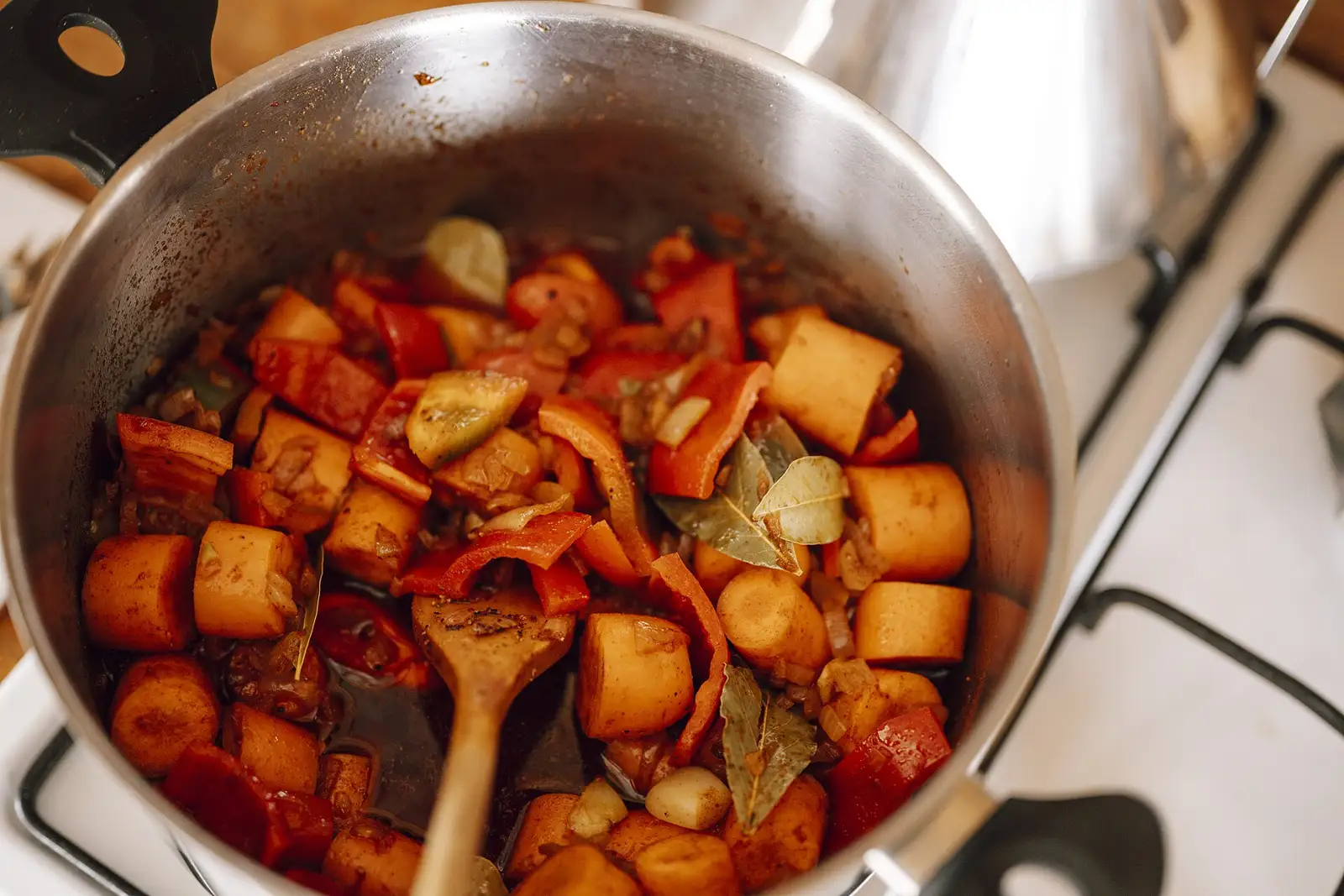
Estimated reading time: 3 minutes
The Department of Health and Human Services launched a cooking series on July 30, 2026, built on a claim that has drawn steady criticism since January: that eating whole food does not have to cost more than eating ultra-processed food. The programme is called The Real Food Show, and Health Secretary Robert F. Kennedy Jr. hosts it himself.
Every recipe on the show is required to meet a fixed set of conditions. It must use whole-food ingredients, work in a basic home kitchen with everyday equipment, be simple enough for children to help prepare, align with the updated Dietary Guidelines for Americans, and cost less than $5 per serving wherever possible. That last condition is the one doing the political work.
The cost question is what the show exists to answer. Kennedy told USA Today that when the revised guidelines were published, the reaction included “a little trepidation from the public and from critics saying that this food is a lot more expensive than the ultraprocessed food that we have been eating,” and that the claim “is not true.” Food prices offer limited comfort either way: the consumer price index recorded food at home and food away from home each rising 0.2 percent from May to June.
HHS and the Department of Agriculture rewrote the Dietary Guidelines in January 2026 around a three-word instruction: Eat Real Food. The revision inverted the familiar food pyramid, moving vegetables, fruits, proteins, dairy and healthy fats to the top and whole grains to the base, and it explicitly told Americans to avoid highly processed foods and refined carbohydrates. At the White House briefing announcing the change, Kennedy said that “diets rich in vegetables and fruits reduce disease risk more effectively than many drugs” and declared what he called a government war on added sugar.
The premiere episode pairs Kennedy with chef Andrew Gruel to make crispy salmon cakes with apple, white bean and green salad, using seafood to make the case that protein need not be expensive. Later episodes are to feature other well-known American chefs, with Kennedy travelling to cook alongside them.
The launch venue was not a television studio. Kennedy announced the series at the grand opening of the Belvedere Bistro at Fort Drum, New York, a military dining facility operated by Compass Group and the third installation in chef Robert Irvine’s programme to modernise food service across US military bases. Kennedy cut the ribbon, ate lunch with soldiers, and ran a cooking demonstration with Irvine and Rachel Campos-Duffy of FOX & Friends before announcing the show at a press conference.
The department is treating the series as one strand of a broader push rather than a standalone media project. HHS announced on August 5 that Kentucky had reached full participation in its nutrition education initiative, and Kennedy has been running a Take Back Your Health Tour through rural states in parallel.
What the show does not address is the structural side of the problem. Research linking ultra-processed food consumption to chronic disease points to marketing budgets, retail distribution and the economics of shelf-stable food, none of which a recipe changes. The federal response to obesity and type 2 diabetes has so far run on two tracks, one pharmaceutical and one behavioural, and this series sits firmly on the second.
The measurable test is straightforward enough. If a household can in fact assemble the show’s recipes for under $5 a serving in an ordinary supermarket, the central claim holds. If it cannot, a cooking series will not close the gap.