
 Sunita Somvanshi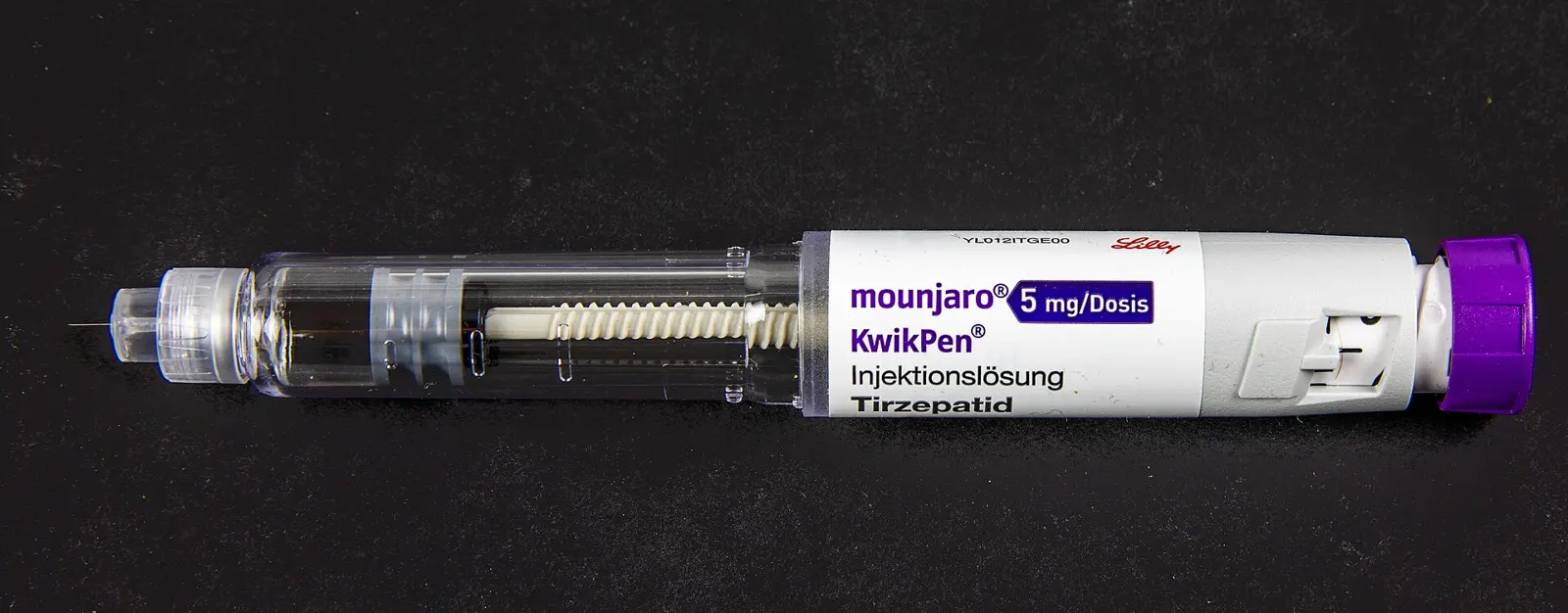
Estimated reading time: 3 minutes
Eli Lilly’s weight-loss drugs are about to reach millions of Americans who previously couldn’t afford them. The Centers for Medicare & Medicaid Services announced an expansion that will cover obesity treatments for Medicare and Medicaid beneficiaries—a major shift that’s reshaping the entire weight-loss drug market.
Here’s what changed: For the first time, Medicare will cover GLP-1 receptor agonist drugs (the class that includes Eli Lilly’s Zepbound and Mounjaro) for patients with obesity who also have a related health condition like heart disease or diabetes. The coverage cap: patients pay no more than $50 per month out-of-pocket.
This policy change is enormous. Obesity affects about 42 percent of American adults. Weight-loss drugs that actually work have historically cost $1,000 to $1,500 monthly. Most people couldn’t access them without private insurance. Now, Medicare and Medicaid patients—over 70 million beneficiaries—gain access.
Eli Lilly isn’t the only player, but it’s positioned to benefit significantly. The company produces both Zepbound (approved for weight loss) and Mounjaro (approved for diabetes, but increasingly used off-label for weight loss). Novo Nordisk produces Ozempic (diabetes) and Wegovy (weight loss). These two companies dominate the GLP-1 market.
What’s driving this expansion? Three factors converge. First, clinical evidence proves these drugs work—patients lose 15-22 percent of body weight on average. Second, obesity costs the healthcare system an estimated $170 billion annually in related conditions. Third, weight-loss drugs reduce heart attack and stroke risk in patients with existing cardiovascular disease, making them cost-effective for Medicare in the long run.
The CMS Innovation Center created what it calls the BALANCE Model to implement this coverage. The program is temporary—it runs through 2028 as a pilot. But the messaging is clear: if these drugs reduce other medical costs, permanent coverage likely follows.
Eli Lilly reported record earnings partly because of Zepbound demand. But demand isn’t the only growth driver. Production capacity matters. Eli Lilly spent years building manufacturing to meet projected demand. Novo Nordisk faced supply shortages in 2023-2024 as demand outpaced production. Lilly learned from that and invested heavily in capacity.
The market implications are substantial. Eli Lilly’s stock price reflects investor confidence in long-term obesity drug demand. Analysts project the global obesity drug market could reach $100 billion annually by 2030. That’s transformative for pharmaceutical companies.
But there are complications. First, insurance coverage doesn’t solve the injection fatigue factor—most GLP-1 drugs require weekly injections. Second, drug access doesn’t address underlying causes of obesity like poverty, food deserts, and lack of exercise access. Third, long-term safety data remains limited since these drugs haven’t been widely used for more than a few years.
For patients, the expansion is a game-changer. A 65-year-old Medicare beneficiary with diabetes and obesity can now access effective treatment for $50 monthly instead of $1,300. That removes a major barrier.
For Eli Lilly, this represents a new revenue stream that could sustain growth for years. But competition is coming—Novo Nordisk won’t surrender market share, and new companies are developing competing drugs.
The bottom line: Medicare’s decision to cover weight-loss drugs signals that obesity is now treated as a medical condition requiring pharmaceutical intervention, not just a lifestyle choice. That philosophical shift will reshape how millions of Americans approach their health.
















Hi,
Really informative article, especially on the growing role of GLP-1 treatments in weight management. I’ve also been using https://www.glp-1pills.com/ to learn more about GLP-1 options and related research.