 Rahul Somvanshi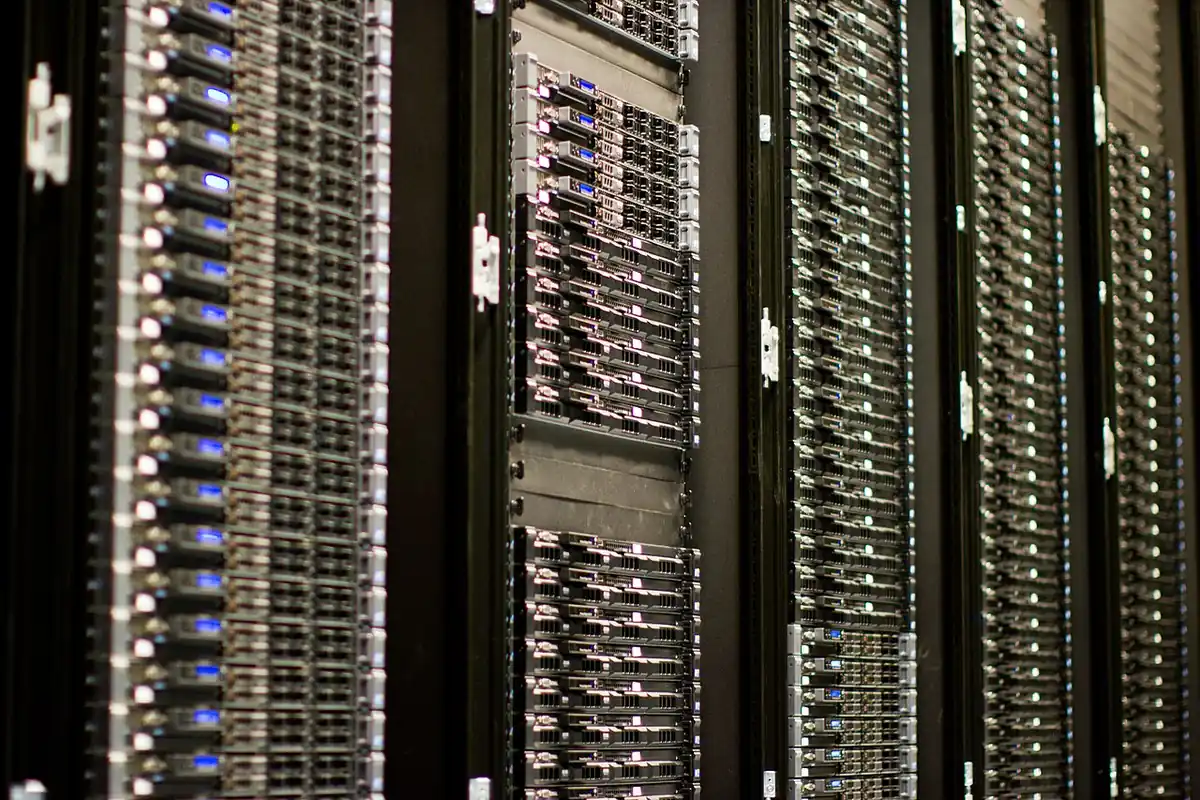
Estimated reading time: 2 minutes
Anthropic’s revenue and usage exploded to 80 times expected levels in the first quarter of 2026, forcing the artificial intelligence company to scramble for computing power. CEO Dario Amodei revealed the unexpected surge during Anthropic’s developer conference in San Francisco, explaining how aggressive growth outpaced even ambitious forecasts.
“We tried to plan for 10-fold growth. But revenue and usage increased 80-fold in the first quarter on an annualized basis,” Amodei stated. The rapid expansion created immediate infrastructure strain. Amodei acknowledged the problem directly: “That is the reason we have had difficulties with compute.”
The company responded swiftly by securing major computing deals. Anthropic announced a partnership with Elon Musk’s SpaceX to access all computing capacity at the Colossus 1 data center in Memphis, Tennessee. The agreement grants Anthropic access to more than 300 megawatts of computing power—a massive infrastructure boost. Additionally, Anthropic signed a multibillion-dollar computing agreement with Amazon, further addressing capacity constraints.
“Software engineers are the ones who are fastest to adopt new technology,” Amodei said, describing developer adoption patterns. He characterized the surge as a foreshadowing of broader economic transformation: “It’s a foreshadowing of how things are going to work across the economy, and how the economy is going to be transformed by AI.”
In June, Anthropic had warned users about “inevitable strain on our infrastructure,” which impacted “reliability and performance” during peak hours. The organization had faced user complaints about service disruptions and latency issues as demand surged beyond projections.
Beyond addressing immediate capacity needs, Anthropic launched Claude Science in June 2026, a specialized version optimized for pharmaceutical and life sciences research. Amodei declared at the launch that this advancement would transform scientific research similarly to how Claude Code had disrupted programming. The company continues expanding use cases and developing more specialized AI applications.
The growth trajectory reflects broader AI market dynamics. Demand for large language models has outpaced supply across the industry, creating fierce competition for computing resources and talent. Amodei’s willingness to publicly acknowledge the scaling challenges contrasts with industry patterns where companies often minimize operational difficulties.