 Sonali Tiwary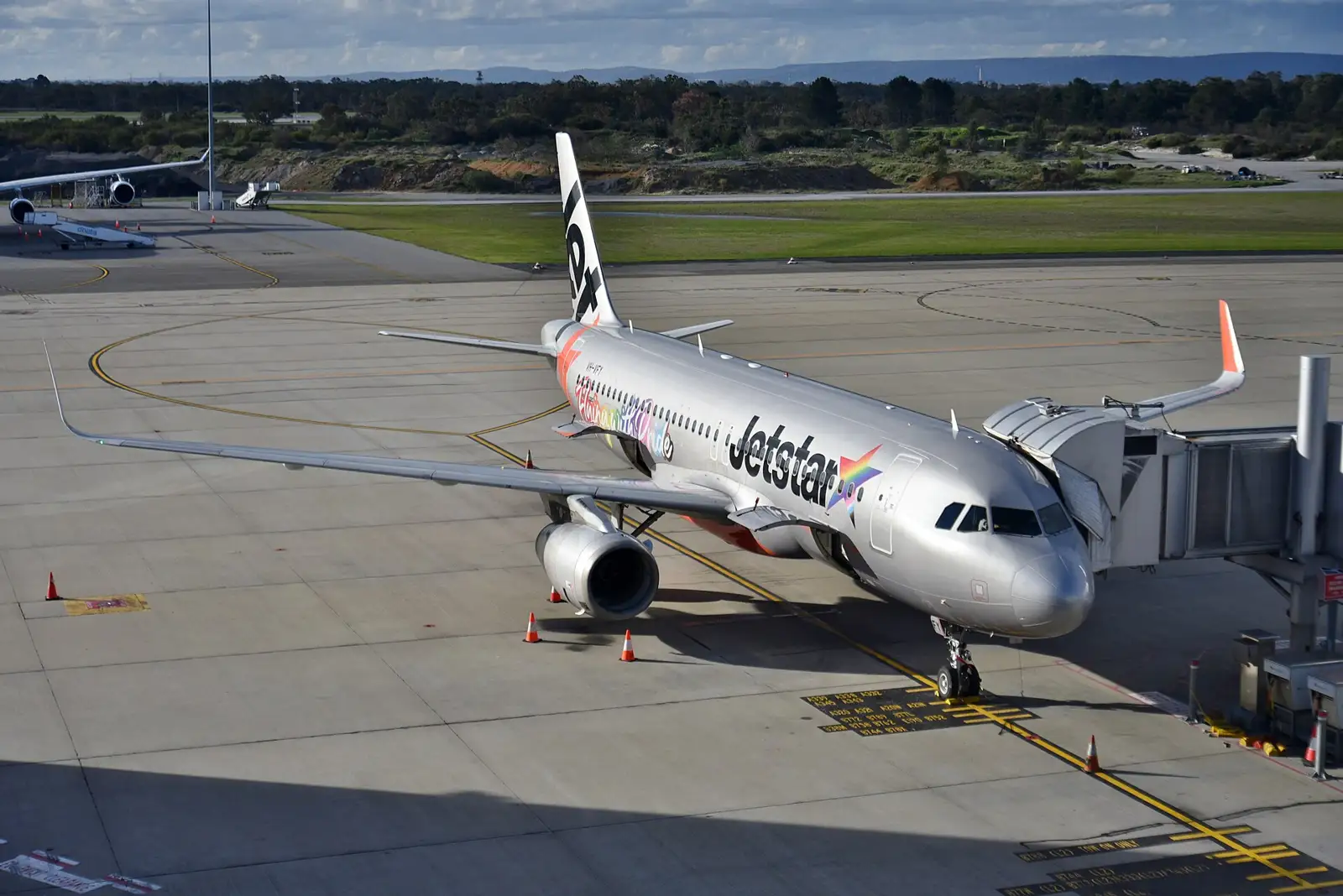
Estimated reading time: 2 minutes
Jetstar announced a significant change to its baggage policy: Beginning February 2, 2027, passengers will pay for overhead carry-on access. The airline is eliminating its traditional 7-kilogram carry-on allowance and replacing it with a more restrictive free underseat bag policy.
Here’s what’s changing: The cheapest Jetstar fares will now include only one underseat personal item measuring up to 40 by 30 by 20 centimeters. Passengers wanting a larger overhead carry-on bag must purchase “Priority Carry-on” access. Fees range from A$25 to A$52 (Australian Dollars) depending on the route.
Route examples from Jetstar’s announcement:
• Launceston to Sydney: A$25 per flight
• Adelaide to Brisbane: A$26
• Sydney to Melbourne: A$33
• Perth to Bali: A$39
• Cairns to Tokyo: A$52
These prices are listed as launch promotional rates for the February 2-March 18, 2027 period. Final pricing may vary, and booking outside promotional windows will likely cost more. A Melbourne to Tokyo round trip could cost A$86-A$108 for overhead carry-on access depending on flight dates, adding significant cost to the overall ticket price.
Jetstar framed the change as simplifying boarding and keeping base fares low. The airline argues that separating bag fees from ticket prices gives price-conscious travelers the option to avoid charges if they travel light. Customers who booked before August 5, 2026, for travel after February 2027 will receive Priority Carry-on access without additional charge, as will customers who previously purchased the separate 7-kilogram baggage option.
This move is part of industry-wide baggage fee expansion. U.S. carriers have charged for carry-ons for years. European airlines followed. Now Asia-Pacific carriers are implementing similar strategies. The business logic: passengers will pay more than expected for convenience features they previously took for granted.
For Jetstar passengers, the impact is real. Travelers accustomed to free overhead storage will now face unexpected charges. On international routes like Melbourne-Tokyo, overhead fees can exceed ticket price differences between airlines, making airfare comparisons more complicated.
Jetstar carries approximately 23.5 million passengers annually. If Priority Carry-on fees are added to just one in ten flights at the minimum A$25 price, passengers will collectively pay roughly A$59 million annually for overhead access. Revenue multiplication across higher-priced routes and peak season travel suggests the potential revenue is substantially larger.
The policy reflects airline economics: fuel costs, labor expenses, and competitive pressure on ticket pricing leave limited margin. Ancillary fees—baggage, seat selection, priority boarding—have become essential revenue sources. Jetstar’s move follows the industry playbook of monetizing previously included services.
For travelers, the strategy reinforces an important lesson: compare total journey costs including all fees, not just headline ticket prices, when booking flights.