 Sonali Tiwary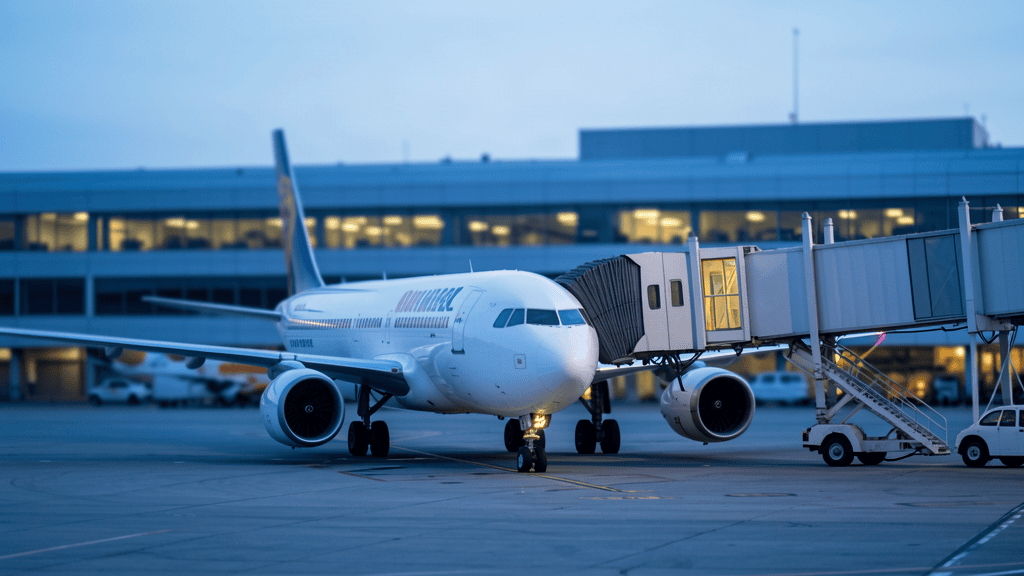
A Porter Airlines flight from Victoria to Toronto was cancelled on August 6, 2026 after a child aboard refused to fasten their seatbelt. The incident highlights the tension between parental preferences and airline safety requirements that are rigid for good reason.
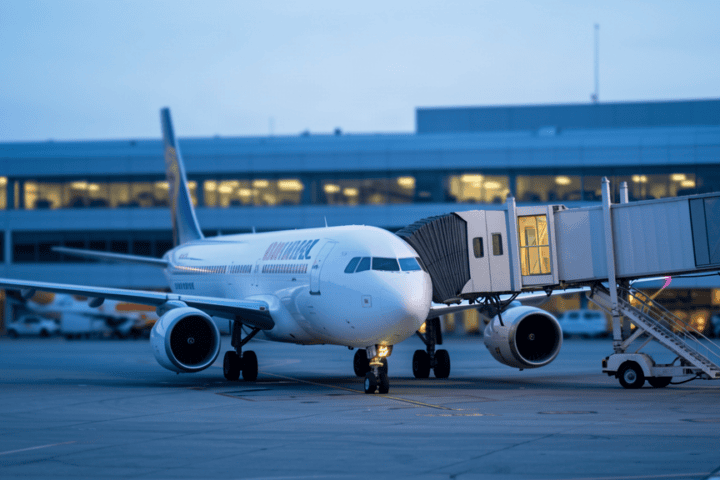
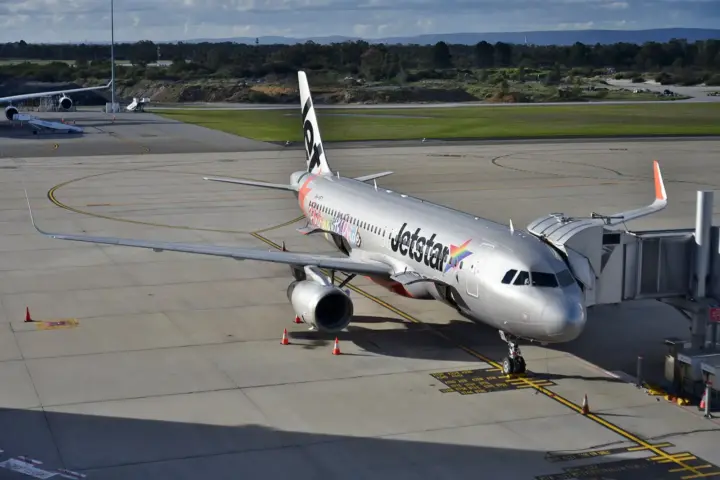
Flight PD444 had completed boarding and pushed back from the terminal at Victoria International Airport. The aircraft left the gate and was heading toward the runway when cabin crew noticed a young child standing in their seat without a secured seatbelt. The child’s parent and crew members attempted multiple times to get the child to sit and buckle in, but the child refused.
Airlines cannot take off when safety requirements aren’t met. Seatbelts aren’t suggestions—they’re critical equipment. During taxi, takeoff, and landing, passengers must be properly secured. The risks are real: sudden stops, turbulence, or emergency maneuvers can throw unsecured people around a cabin, causing serious injuries. Airlines and aviation regulators have no discretion here. If a passenger won’t comply with seatbelt requirements, the flight cannot depart.
The decision to return to the terminal and deplane all passengers was straightforward from a safety perspective, but it created a cascade of problems. The flight had already experienced delays from earlier disruptions, with the plane only being boarded at 11:03 PM. By the time the aircraft returned and passengers disembarked, Victoria International Airport’s curfew—the time after which flights cannot depart—was fast approaching.
The airport curfew isn’t arbitrary. Noise restrictions around airports are legal requirements protecting communities near flight paths. Once curfew arrives, no departures are allowed until the next day. This meant every passenger was stuck until the following afternoon when the flight could operate again.
It’s unclear whether the child and parents reboarded the next day. Porter Airlines typically provides rebooking without additional charges for cancellations beyond their control, though this was a safety matter rather than mechanical failure. The situation highlights an uncomfortable reality: airline safety rules sometimes create inconvenience. But there’s no negotiation when it comes to keeping planes safe during critical phases of flight.
The incident illustrates how safety protocols, while occasionally frustrating, exist because aircraft accidents happen when procedures break down. Seatbelts have saved countless lives. A child refusing to comply isn’t a small thing—it’s a situation that brings every airline to the same decision: don’t depart.
—