 Karmactive Staff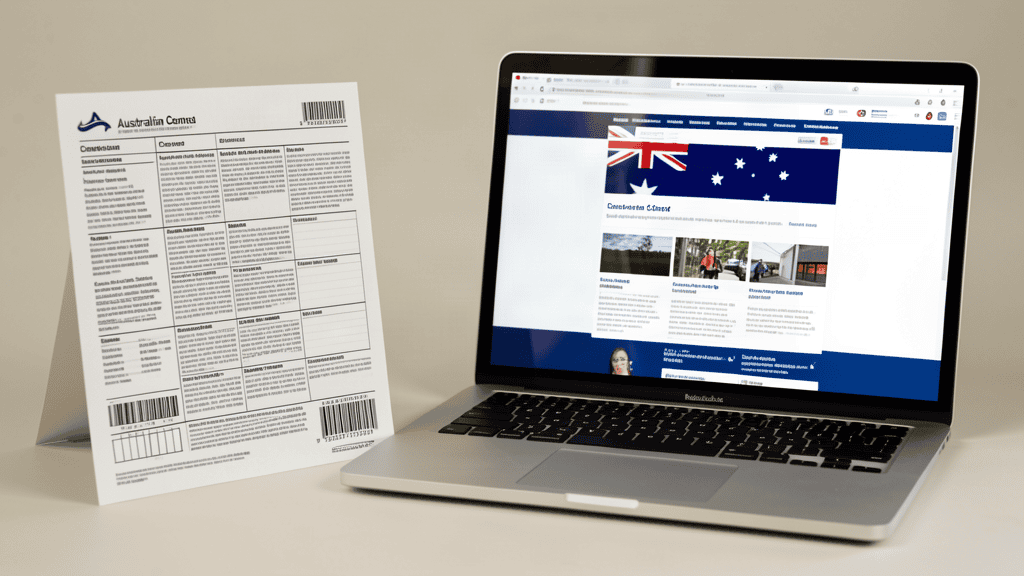
Australia is about to conduct its most significant census in decades, and the changes go far beyond simply counting people. On Tuesday, August 11, millions of Australians will log in to complete the 2026 Census, marking the first time the nation is taking a genuinely digital-first approach to this fundamental national survey.
The shift to digital represents practical efficiency, but the real story lies in what Australians will be asked for the first time. Gender and sexual orientation questions are appearing on the census for the first time in Australian history. This means the nation will finally collect systematic data on LGBTIQ+ populations, filling what researchers and advocacy groups have identified as a significant data gap for decades.
The new questions allow people to indicate what their sex was recorded as at birth and provide expanded gender options including non-binary. A separate question asks about sexual orientation. These additions represent far more than box-checking exercises. The data will influence policy decisions about health services, aged care, workplace protections, and community support programs.
Why does this matter? Currently, governments have almost no reliable data on LGBTIQ+ Australians. Without knowing how many people fall into these categories or where they live, policymakers struggle to design appropriate services. The census data will change that, providing concrete numbers to guide resource allocation and policy development for years.
The Australian Bureau of Statistics also expanded ancestry options from two choices to four. Health questions now include liver disease and migraine, recognizing these as significant long-term conditions affecting Australians. These adjustments reflect how the census evolves as society changes.
The digital shift itself presents challenges. Most Australians will receive instructions to complete the census online via letter or through a myGov email link. The Bureau partnered with Services Australia’s myGov platform for the first time, allowing subscription to updates through an existing government digital service. Paper forms remain available for anyone requesting them, and remote Indigenous communities will have extended completion periods through September.
The scam risk isn’t insignificant. The Bureau warns that while major census-specific scams have not yet heavily proliferated in 2026, the agency will never request tax file numbers, identity documents, or offer prizes. Some people will inevitably receive fake messages claiming to be from the census.
Participation in the census is compulsory for all Australians. The legal requirement exists because the nation needs accurate population data for everything from electoral representation to infrastructure planning. Over 85 percent of Australians are expected to complete it online, with remaining responses coming through paper forms or assistance from Bureau staff.
This census represents a turning point in how Australia understands itself. For the first time, the official national snapshot will include a picture of Australia’s LGBTIQ+ communities. Alongside that, digitalization makes participation easier for many, though some Australians will still need paper options and support. The questions reflect an evolving nation wrestling with how to be inclusive while gathering information everyone needs.
—