 Sonali Tiwary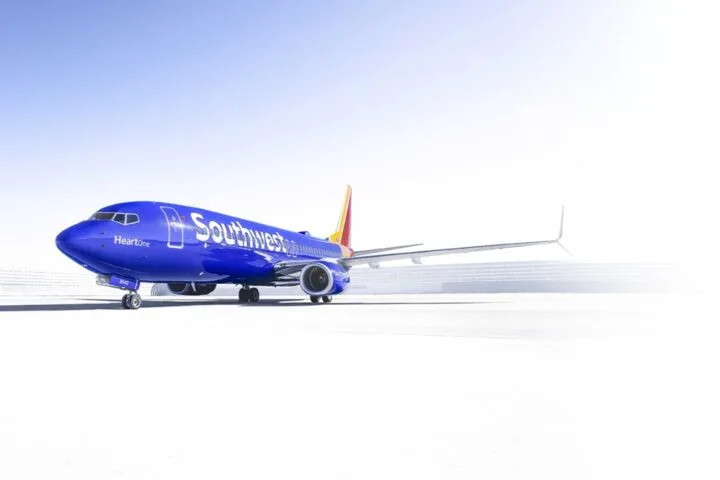
Southwest Airlines announced on August 3, 2026, that it would introduce a new product called “Business Priority” designed specifically for corporate and business travelers. The initiative marks Southwest’s entry into the market segment previously dominated by American Airlines, Delta, and United, each offering business travel programs with preferential benefits.
Business Priority will launch in early 2027, initially available through corporate travel management agreements. The product will offer several key benefits designed to appeal to corporate procurement officers managing travel budgets. Preferred reaccommodation privileges ensure that Business Priority passengers get priority rebooking if their flights are canceled or oversold. Standby privileges allow corporate travelers to rebook on earlier flights if schedules change. Priority boarding places Business Priority passengers ahead of other customers in the departure queue.
The initiative reflects Southwest’s strategic pivot toward corporate accounts. Historically, Southwest positioned itself as a leisure carrier offering friendly service and low fares. However, as the airline industry has fragmented into budget carriers (Spirit, Frontier, Allegiant) and premium carriers, Southwest has increasingly targeted business travelers. Business Priority accelerates this positioning.
Implementation hinges on NDC (New Distribution Capability) technology, a modern distribution system that allows airlines to sell directly without relying on traditional Global Distribution Systems (GDS) controlled by third-party vendors. Southwest will establish direct-connect NDC APIs by the end of 2026, enabling corporate travel management companies to integrate Business Priority bookings directly into their systems.
Amadeus, a major player in travel technology, has committed to integrating Southwest’s Altéa NDC platform, ensuring compatibility with corporate booking systems worldwide. This technical infrastructure work precedes the product launch, with testing and integration work ongoing through late 2026.
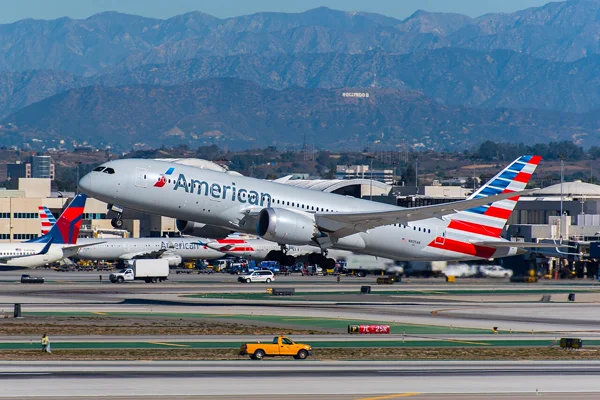
The broader airline industry is watching Southwest’s corporate strategy closely. American Airlines’ AAdvantage Business Extra, Delta’s Medallion status for corporates, and United’s Corporate Premier program have historically captured high-margin corporate bookings. Southwest’s entry into this market is significant—the airline carries substantial volume, and corporate travelers represent a lucrative customer segment with higher willingness to pay for convenience and reliability.
Southwest’s evolving position reflects broader airline industry transformation. The airline that built its brand on “free bags” has transformed into a carrier charging for baggage, assigned seating (January 2026), and now offering premium corporate benefits. Changes since May 2025 (ending free bags) and April 2026 (implementing fee increases to $45/$55) suggest a fundamental repositioning away from extreme low-cost leadership toward differentiated service offerings at various price points.
For corporate travelers, Business Priority offers familiar benefits in a Southwest wrapper. Preferred reaccommodation and priority boarding directly address corporate travel pain points—ensuring executives make important meetings even when disruptions occur. The early 2027 launch provides several months for corporate travel partners to integrate systems and for Southwest to refine the offering based on beta testing feedback.