 Tejal Somvanshi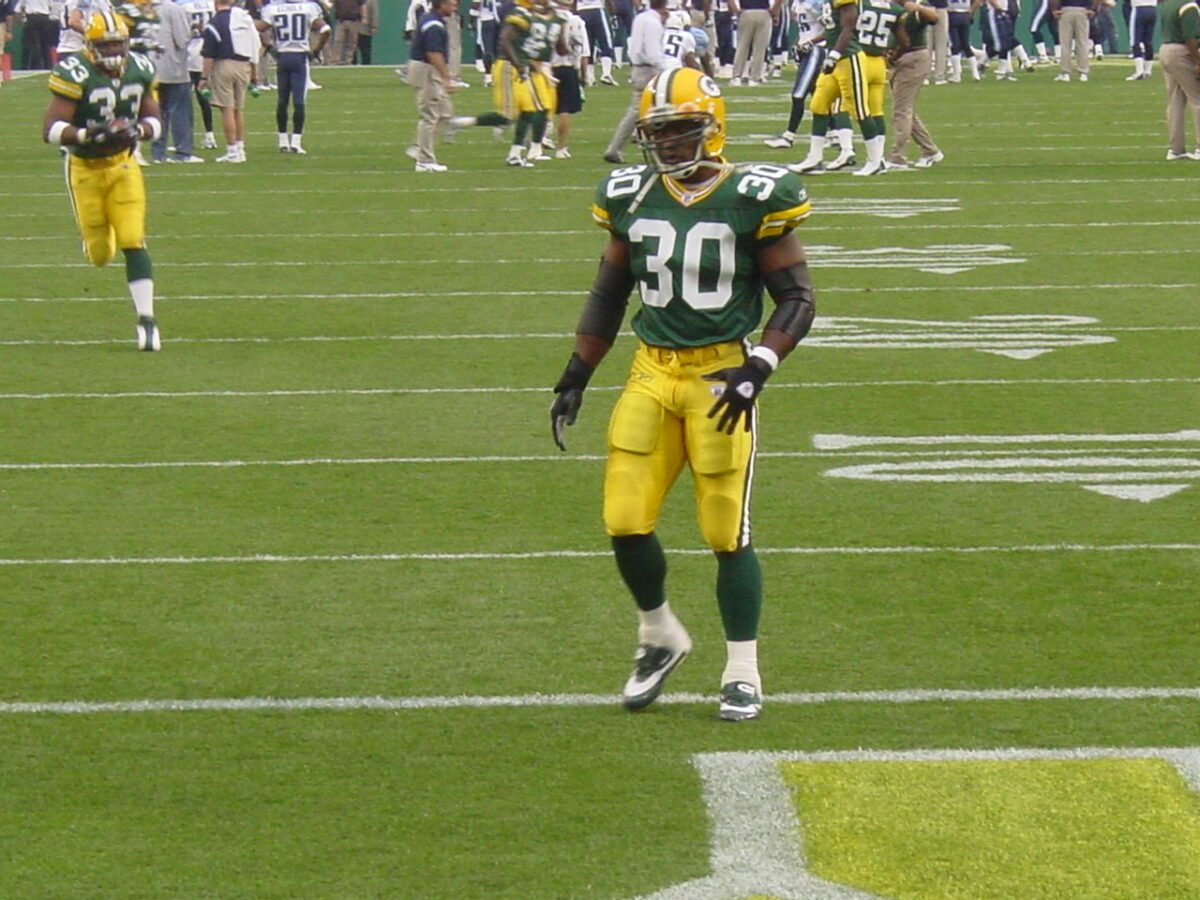
Former Green Bay Packers running back Ahman Green revealed in January 2025 that he has been diagnosed with early-onset Parkinson’s disease, disclosing his diagnosis publicly on the “Go Long” podcast with journalist Tyler Dunne. Green, the Packers’ all-time leading rusher and four-time Pro Bowler, said he had known about his condition for some time before going public, and that his earliest symptoms involved his feet twitching during sleep.
Green described how the initial signs appeared subtle but progressively became more difficult to ignore. He said he worked with doctors after recognising something was wrong, ultimately receiving the early-onset Parkinson’s diagnosis. The NFL legend emphasised the importance of seeking early medical consultation when experiencing unexplained neurological symptoms, saying regular exercise, healthy eating, and medication adherence were central to his management of the condition.
Parkinson’s disease research organisations applauded Green’s public disclosure. His announcement came approximately two years after former Packers teammate Brett Favre also disclosed a Parkinson’s diagnosis, bringing renewed scientific and public attention to the potential links between neurological disease and long careers in professional contact sport.
Medical experts noted the potential relationship between repetitive head trauma accumulated over professional football careers and increased susceptibility to neurodegenerative disease. Some researchers have suggested that chronic traumatic encephalopathy (CTE) and related trauma-induced pathology may accelerate neurological decline. Green’s case, alongside Favre’s, has renewed scientific interest in studying this connection across former NFL players.
Green committed to advocacy efforts supporting Parkinson’s patients and indicated his intention to contribute to fundraising for treatment research and quality-of-life improvements for those living with the disease. Fans, former teammates, and the wider NFL community expressed overwhelming support across social media following the announcement.
His openness about his diagnosis elevated disease awareness substantially within sports communities. Parkinson’s advocacy groups noted that public disclosures by prominent figures consistently lead to increased screening requests and research donations, making Green’s decision to speak publicly a significant contribution to the broader fight against the disease.