 Karmactive Staff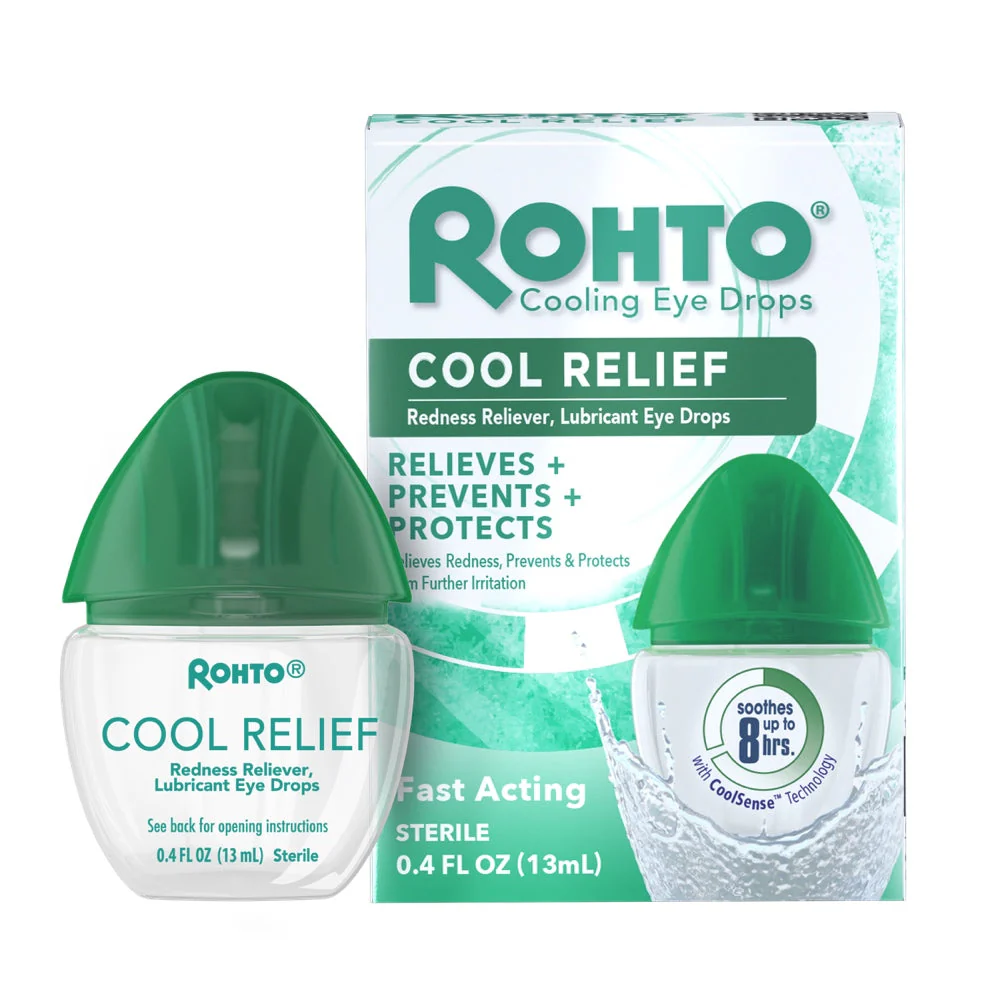
The U.S. Food and Drug Administration announced a Class II voluntary recall of eight Rohto Cooling Eye Drop products, affecting over 11 million cartons distributed across North American retail outlets. The recall was initiated because Rohto-Mentholatum Co. Ltd, the Vietnam-based manufacturer, could not confirm its products were manufactured to prevent contamination — a sterility concern indicating a failure in manufacturing, testing, or processing that could allow harmful microorganisms to reach the product.
The FDA issued the Class II recall classification, meaning use of the product may cause temporary adverse health consequences but is unlikely to cause permanent harm. Affected products carry expiration dates ranging from July 2026 through February 2029, meaning many products currently in homes and on store shelves may be impacted. The products are distributed in the United States by The Mentholatum Company, operating out of Orchard Park, New York.
Consumer safety authorities noted that while no confirmed illnesses had been reported at the time of the recall announcement, continued use of products with sterility failures could result in eye infections ranging from mild irritation to more serious conditions such as keratitis, particularly in users with sensitive eyes or pre-existing ocular conditions.
Rohto recalled products bearing specific UPC numbers and lot numbers visible on packaging. The company established a consumer hotline and dedicated webpage to assist affected individuals in identifying recalled batches. Retailers across the country initiated removal of affected products from shelves and offered full refunds to consumers who had purchased them.
Product safety experts recommended that consumers check current eye drop bottles against the FDA’s official recall list before any further use. The incident prompted wider discussion about pharmaceutical manufacturing oversight and quality control procedures in optical product facilities operating across international supply chains.
Rohto issued statements committing to enhanced manufacturing protocols and additional quality assurance testing before resuming distribution. The company offered consumers full refunds and free replacement products once the manufacturing issues are resolved and sterility is confirmed.