 Tejal Somvanshi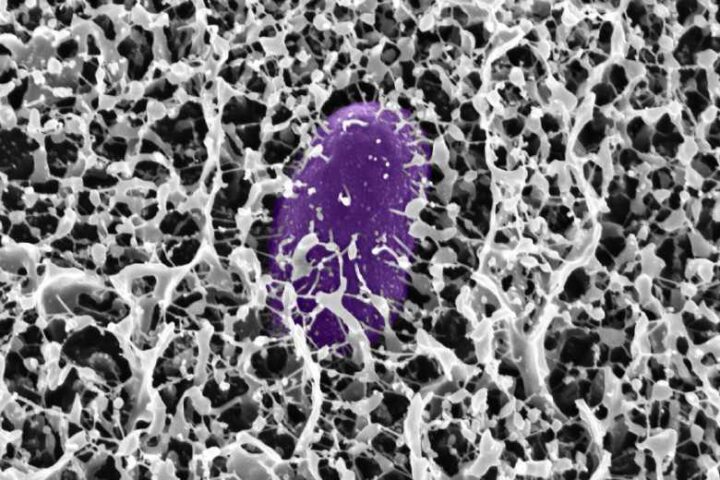
The Colorado Department of Public Health and Environment (CDPHE) is alerting the public to a significant increase in Salmonella infections this summer, with case counts running above historical averages for the July period. Health officials are urging Coloradans to take precautions around food handling and preparation as temperatures remain high across the state.
Salmonella is a bacterial infection typically contracted through contaminated food — most commonly raw or undercooked poultry, eggs, beef, and fresh produce — though person-to-person transmission and contact with animals, including reptiles and backyard chickens, are also documented routes of infection. Symptoms typically appear 6 hours to 72 hours after exposure and include diarrhea, fever, and abdominal cramps, lasting 4 to 7 days in most cases.
The CDPHE has not identified a single common source for the current cluster of cases, which health officials describe as a diffuse community-level increase rather than a point-source outbreak linked to a specific food product or restaurant. The seasonal pattern is consistent with summer Salmonella trends seen nationally, as higher temperatures accelerate bacterial growth in food that is improperly stored or handled at outdoor gatherings, barbecues, and picnics.
The Centers for Disease Control and Prevention estimates that Salmonella causes approximately 1.35 million infections in the United States each year, resulting in about 26,500 hospitalizations and 420 deaths. Most healthy adults recover without treatment, but the infection can be severe for young children, elderly individuals, pregnant women, and people with compromised immune systems.
Key prevention steps recommended by the CDPHE and CDC include cooking poultry to an internal temperature of 165°F, using a food thermometer for all meat products, washing hands thoroughly after handling raw meat or touching animals, and refrigerating perishable foods within two hours of preparation.
Colorado residents who experience symptoms consistent with Salmonella infection — particularly prolonged diarrhea lasting more than three days, high fever, or blood in the stool — are advised to contact their healthcare provider. Severe cases may require hospitalization and antibiotic treatment.