 Tejal Somvanshi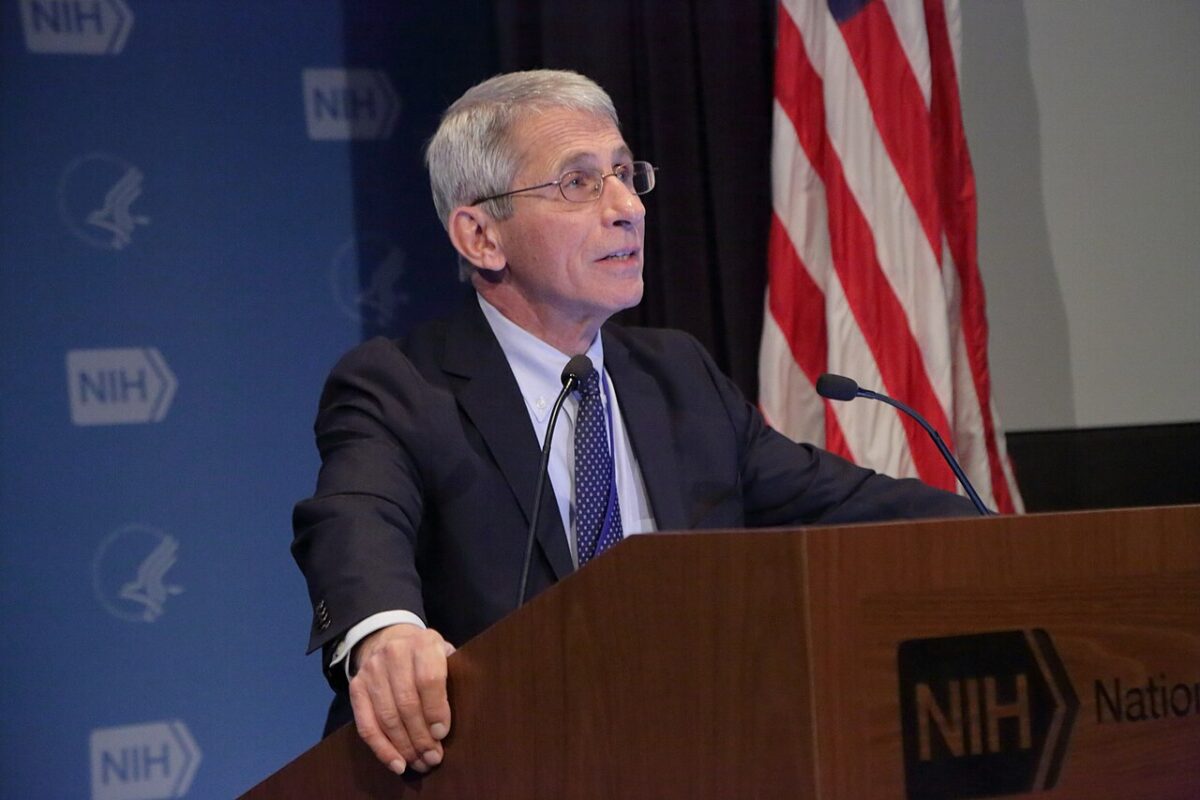
Dr. Anthony Fauci, the former director of the National Institute of Allergy and Infectious Diseases, appeared before the Senate Homeland Security and Governmental Affairs Committee regarding congressional investigations into the origins of COVID-19 and the role of the National Institutes of Health during the pandemic response. Throughout his congressional appearances spanning 2021-2024, Fauci testified extensively about the pandemic response and the lab leak hypothesis without invoking the Fifth Amendment.
The hearings, led by members of both parties, focused on three core areas: the funding of gain-of-function research, the origins of SARS-CoV-2, and internal communications at the National Institutes of Health during the early pandemic period. Fauci provided detailed testimony on each topic based on available evidence and scientific consensus at the time of his statements.
Republican senators and other oversight bodies have raised questions about transparency in pandemic decision-making and early communications regarding possible lab origins. Democrats and health officials have argued that Fauci’s testimony provided thorough explanations of public health decision-making processes during an unprecedented global crisis.
The lab leak hypothesis — the idea that SARS-CoV-2 may have originated from an accidental release from the Wuhan Institute of Virology in China — has become a central focus of congressional investigations since declassified intelligence assessments in 2023 suggested a laboratory origin was plausible, though not conclusively established. In July 2023, the Department of Energy assessed with low confidence that a laboratory incident was the most likely origin. The FBI shares this assessment, while the CIA and other intelligence agencies have not reached a definitive conclusion.
Fauci, who retired in December 2022 after more than five decades at the NIH, served as the nation’s top infectious disease expert through the HIV/AIDS crisis, the H1N1 pandemic, and COVID-19. His role in the pandemic response made him one of the most prominent public health figures in American history.
Congressional oversight committees have pursued various investigations into pandemic origins, gain-of-function research policies, and early pandemic response decisions. These inquiries continue to examine government transparency and accountability in public health emergency preparedness.
The investigations have drawn significant public attention as discussions about government transparency and accountability in pandemic preparedness policy continue across multiple congressional committees and investigative bodies.