 Tejal Somvanshi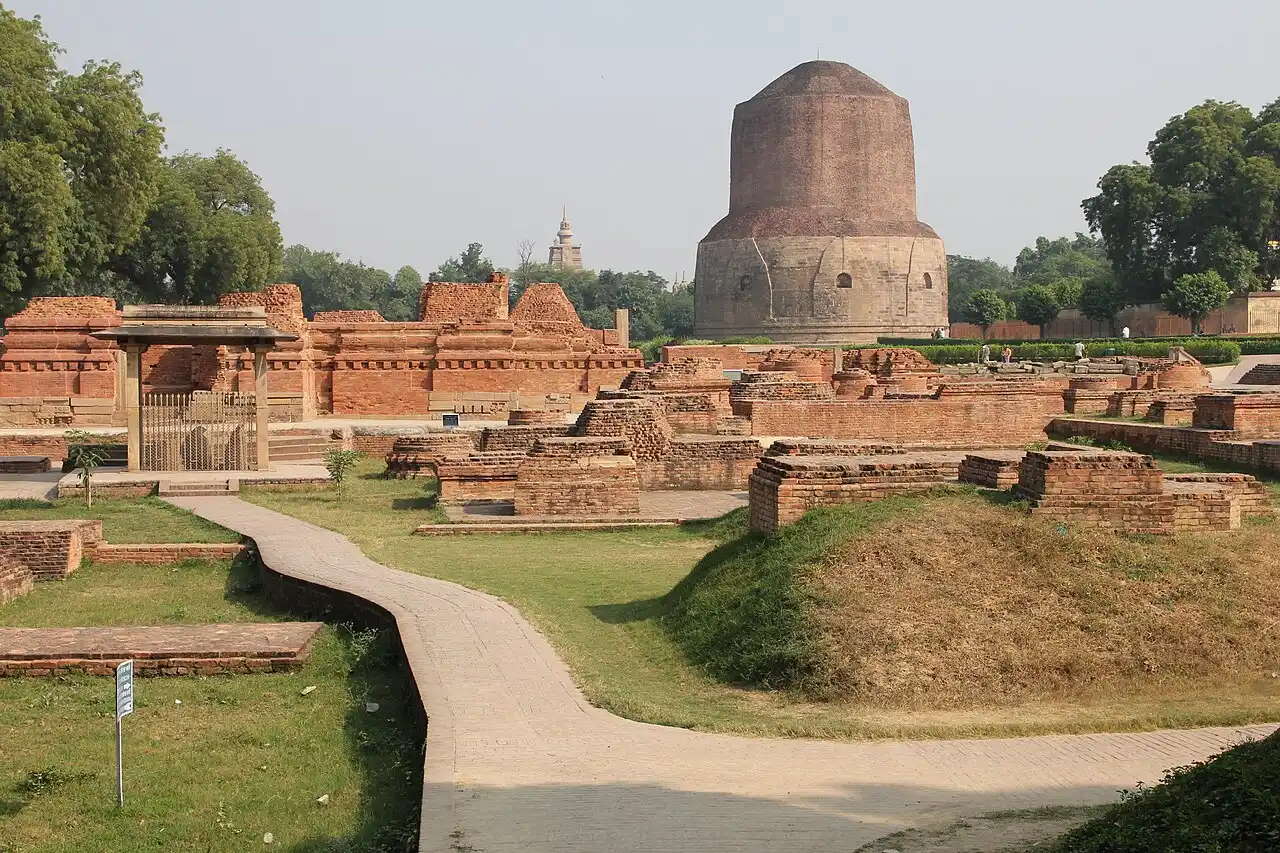
Sarnath, the sacred Buddhist site near Varanasi in Uttar Pradesh, received inscription on UNESCO’s World Heritage List on July 25, 2026, marking recognition of its historical, spiritual, and architectural significance. The inscription makes Sarnath India’s 45th UNESCO World Heritage Site.
Located approximately 10 kilometers from Varanasi, Sarnath holds profound meaning in Buddhism. Tradition identifies this location as where Buddha delivered his First Sermon in the Deer Park, a pivotal moment in Buddhist history when he articulated the Four Noble Truths to his first disciples. This event established foundational Buddhist teachings and remains central to Buddhist spiritual practice worldwide.
The site encompasses several monuments of archaeological and artistic importance. The Lion Capital of Ashoka, featuring four lions facing cardinal directions, stands as India’s national emblem and represents one of the world’s most recognized symbols of Buddhist art. Dating to the third century BCE, the capital demonstrates the sophisticated sculptural traditions of Ashoka’s reign.
The Dhamek Stupa, a massive cylindrical structure begun during the reign of emperor Ashoka and enlarged in the 5th century, dominates the site architecturally. Dharmarajika Stupa, among the oldest Buddhist monuments in India, predates the Mauryan period and contains relics in its interior chambers. The Chaukhandi Stupa adds architectural diversity to the monument complex. Conservation documentation is maintained by the Archaeological Survey of India.
Archaeological excavations have revealed layers of occupation and religious practice spanning over two millennia. Artisans working at the site produced intricate stone and terracotta sculptures that spread Buddhist artistic traditions across Asia. The site evolved from an active pilgrimage center during the Buddhist era through periods of decline, eventually becoming abandoned until 19th-century archaeological rediscovery.
Sarnath ranks among Buddhism’s four holiest pilgrimage sites globally, alongside Lumbini (Buddha’s birthplace in Nepal), Bodh Gaya (enlightenment location in Bihar, India), and Kushinagar (Buddha’s parinirvana location in Uttar Pradesh). Pilgrims from Buddhist communities worldwide visit Sarnath to engage with this spiritually significant location. UNESCO World Heritage designations have expanded significantly in recent years, adding diverse cultural and natural sites globally.
UNESCO World Heritage designation brings international recognition and creates frameworks for site protection and conservation. The inscription involves commitments to preserve monuments, maintain authenticity of structures, and manage visitor access to prevent degradation. UNESCO provides technical guidance and positions Sarnath within global conservation networks.
For India, the inscription affirms commitment to cultural heritage preservation and recognizes the nation’s contributions to world civilization. Indian officials emphasized that Sarnath’s inscription reflects respect for Buddhist heritage and demonstrates how ancient sites continue holding meaning for contemporary spiritual communities.
The site receives approximately 300,000 annual visitors, including Buddhist pilgrims from across Asia. UNESCO recognition typically increases visitor numbers, creating both opportunities for cultural exchange and challenges for conservation management. Balancing access with preservation represents ongoing responsibilities for India’s Archaeological Survey.