Sunita Somvanshi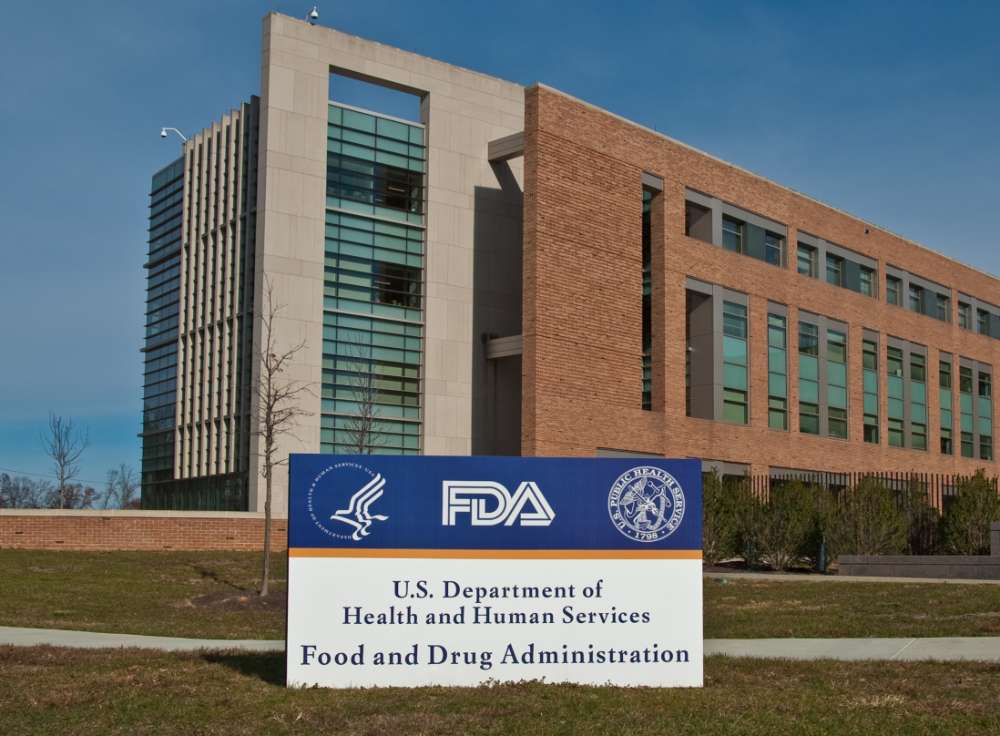
For years, BPC-157 has lived in a legal gray zone — widely discussed in wellness and fitness communities online, yet largely off-limits at licensed pharmacies. That began to shift on Thursday when a federal advisory panel voted to recommend the synthetic peptide be added to a list that would allow compounding pharmacies to prepare it for patients.
The Pharmacy Compounding Advisory Committee (PCAC), which advises the U.S. Food and Drug Administration, voted 8-6 with one abstention to place BPC-157 on the Section 503A Bulk Drug Substances List. Inclusion on that list would allow licensed compounding pharmacies to legally mix and dispense the compound to patients who hold a valid prescription.
What Is BPC-157?
BPC-157 stands for Body Protection Compound-157. It is a synthetic peptide — a short chain of amino acids — derived from a protein found in human gastric juice. Peptides are smaller than proteins but act as chemical signals that can influence how cells behave and how tissues respond to injury. Researchers have studied BPC-157 primarily in animal models, where it has shown potential to support tissue repair, reduce inflammation, and protect the gut lining.
Compounding pharmacies are licensed facilities that custom-prepare medications for patients who need a specific dose, form, or ingredient combination not available in standard commercial drugs. Under federal law, they may only work with substances on approved bulk ingredient lists — which is why the PCAC vote matters.
Why the FDA Restricted It
In 2023, the FDA placed BPC-157 and six other peptides in a restricted category, effectively blocking compounding pharmacies from dispensing them. The agency concluded that available data was insufficient to determine whether these substances were safe for human use. Ahead of Thursday’s meeting, FDA staff scientists maintained that position and recommended against adding any of the seven peptides to the approved list.
FDA staff stated the compound “lacks sufficient information to know whether the drug would cause harm when administered to humans.” The committee’s public docket drew approximately 1,860 comments before the July 23-24 hearing, reflecting broad interest from patients, clinicians, and compounding pharmacists.
The Vote and What It Means
Despite internal objections from agency scientists, the PCAC voted 8-6 in favor of recommending BPC-157 for inclusion, specifically for use in treating ulcerative colitis. The panel also recommended two other peptides — KPV, reviewed for wound healing and inflammatory conditions, and TB-500 — for compounding.
The vote is advisory and non-binding. The FDA will make the final decision, and any formal change would require a lengthy public rulemaking process before compounding pharmacies could legally dispense BPC-157 to patients.
The Political Backdrop
The meeting comes as Health Secretary Robert F. Kennedy Jr., who oversees the FDA, has publicly supported easing restrictions on peptides. Advocates for wider peptide access viewed Thursday’s vote as a meaningful signal, even if the regulatory path ahead remains uncertain and protracted.
The U.S. Anti-Doping Agency has separately flagged BPC-157 as a prohibited substance for competitive athletes, describing it as an experimental compound with no approved clinical use in humans. No major health authority — including the FDA — has approved BPC-157 as a drug.
What Comes Next
Even with an advisory recommendation in hand, the road to legal compounding is not short. A second PCAC meeting is expected before the end of February 2027 to review five additional peptides, including LL-37, GHK-Cu, and Melanotan II. Any substance added to the 503A Bulk Drug Substances List must still go through formal FDA rulemaking before it can be legally compounded.
BPC-157 remains unapproved for human use and unavailable through standard pharmacy channels. Thursday’s vote moved it one step further along an uncertain regulatory process — but the outcome of that process is still well over a year away.