 Karmactive Team
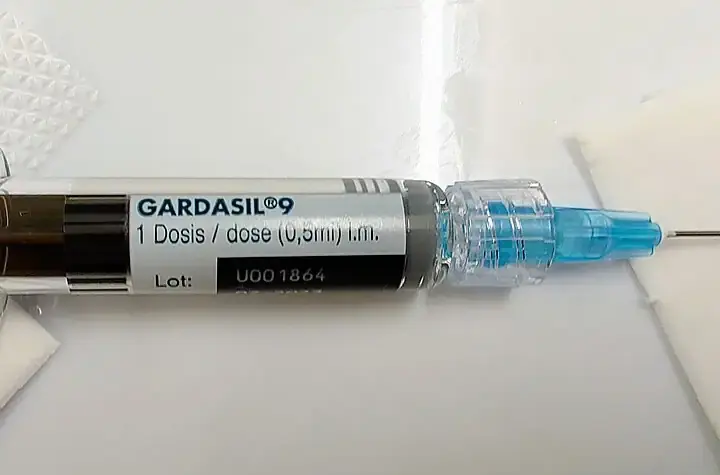
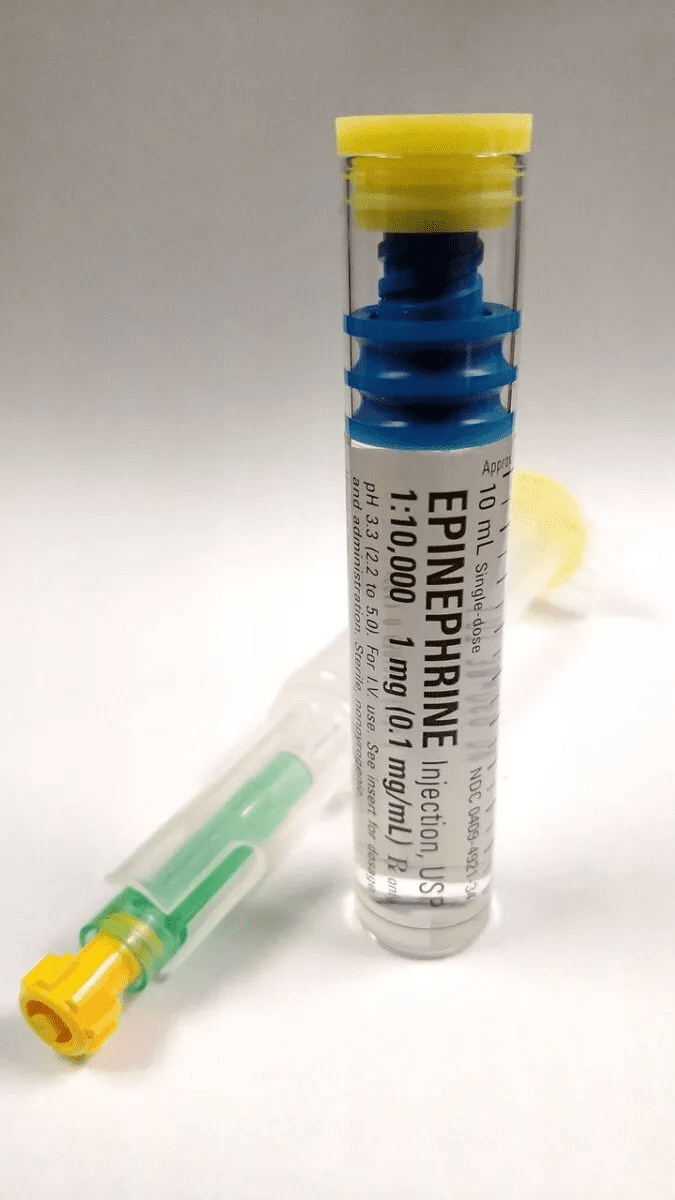
Elementary school students have found that EpiPens can turn poisonous in space due to the effects of cosmic radiation during space travel. The students collaborated with researchers from the University of Ottawa to investigate whether the devices could be safely used in space.
The epinephrine in the EpiPens broke down due to relatively small amounts of space radiation, instead of being a lifesaver, it acts like a health hazard. This discovery was previously unknown to NASA and could have long term effects on how we treat allergic reactions in space.
St. Brother André Elementary School’s Program for Gifted Learners (PGL) got samples of epinephrine launched into space as part of NASA’s Cubes in Space program. The University of Ottawa’s Faculty of Science analyzed the returned samples and discovered that the epinephrine was only 87 percent pure due to cosmic radiation. The remaining 13 percent was converted into benzoic acid derivatives, which are highly poisonous.
The experiment brings up questions about the efficacy of EpiPens in outer space journeys. This result is now being addressed by the kids in the PGL program, where they research ahead and could lead to new inventions that save lives in space.
Fortunately, for now, there might be a way to package EpiPen solutions to avoid their exposure to cosmic radiation. The discovery stresses the need for continued research into the effects of space radiation on all medical equipment.
The students’ work has made an important contribution to avoiding space health breakdowns and bringing attention to the challenges of space travel and the need for research & innovative solutions to keep astronauts safe.
- United Flight Diverted to Green Bay: 20-Hour Delay as Crew Duty Limits and Customs Windows Collide
- TSA Gold+ Program Shelved: Tampa Airport Rejects Private Security Plan Over Technical Concerns, Federal Officers Continue
- Boston Scientific Hit by Cyberattack: Hospitals Worldwide Face Medical Device Shipping Delays, Investigation Ongoing
- Meta Faces $17.1B Teen-Safety Settlement: Time Limits, Instagram Filters Removed, Court Order Due
- Northern Lights Strike August 27-28: NOAA Issues G2 Storm Watch, Plus 96% Lunar Eclipse