 Tejal Somvanshi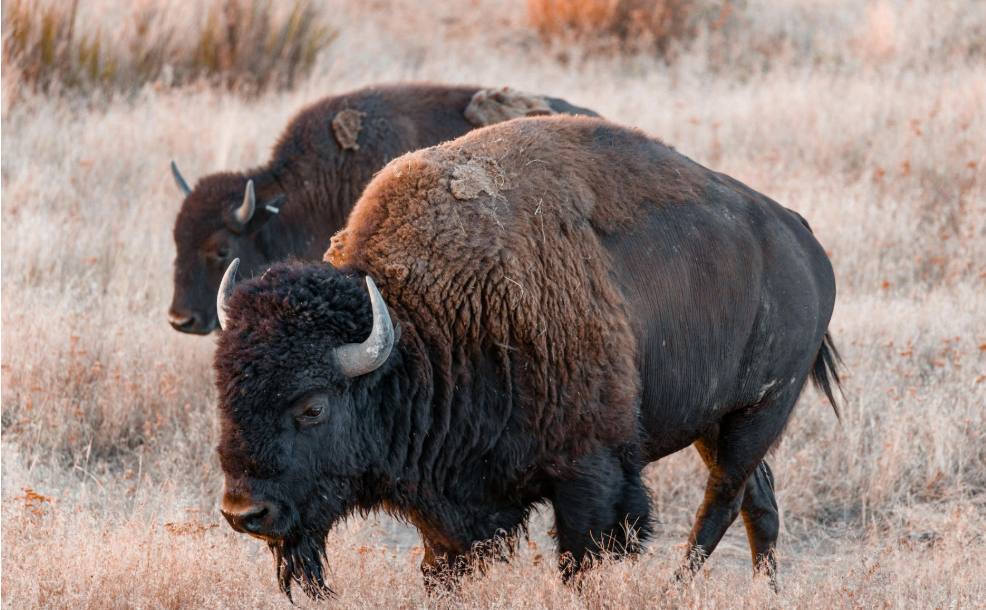
A bison damaged a visitor’s vehicle at Yellowstone National Park this week — the latest in a pattern of escalating human-wildlife conflicts that peak every summer as bison enter the rutting season. The incident is a straightforward consequence of two peaks colliding: maximum visitor numbers and maximum bison aggression, in the same landscape, at the same time.
Bison behaviour changes dramatically during the rut, which runs roughly from July through September. Male bulls become territorial, elevate stress hormone levels, and display significantly reduced tolerance for perceived threats — including vehicles, tourists, and anything that strays into their personal space. A bull in rut is not the passive grazing animal visitors often see in spring. It’s a 1,800-pound animal under physiological stress, capable of accelerating to 35 miles per hour, whose threat assessment has shifted to assume rather than ignore challenge.
The vehicle in this incident was damaged by a direct charge. This is not unusual; visitor behaviour in national parks consistently underestimates wildlife danger, with people approaching bison at distances that would be considered reckless by any wildlife biologist. Yellowstone’s own guidance specifies a minimum 25-yard distance for bison — a rule regularly ignored by visitors treating wildlife as photographic subjects rather than wild animals.
Park management faces a structural challenge here. Conservation successes at Yellowstone have helped restore large wildlife populations that now interact with record visitor numbers — nearly 4.5 million annually. Managing visitor behaviour at scale is fundamentally harder than managing animal populations. You can count bison; you cannot reliably control the impulses of millions of tourists who have flown thousands of miles to photograph them.
The rut period creates a predictable annual surge in conflict incidents. Rangers increase patrols, signage is refreshed, and visitor education campaigns run. Yet incidents continue, because information doesn’t always translate into behaviour change — particularly among first-time visitors who don’t carry the experiential context that local residents or frequent park visitors develop over time.
The conservation paradox here is genuine. Yellowstone’s bison population has recovered from near-extinction — a genuine conservation success. Greater bison numbers mean more bison across the landscape, more interactions with visitors, and more vehicle incidents. Success creates the conditions for conflict. Managing that conflict without reversing conservation gains requires sustained investment in visitor behaviour education, physical barrier management, and responsive ranger presence during peak conflict seasons.